
Cannabis consumption is evolving beyond private spaces as social consumption lounges emerge across legal markets. These specialized venues allow adults to enjoy cannabis products in a controlled, social environment similar to traditional bars and cafés.
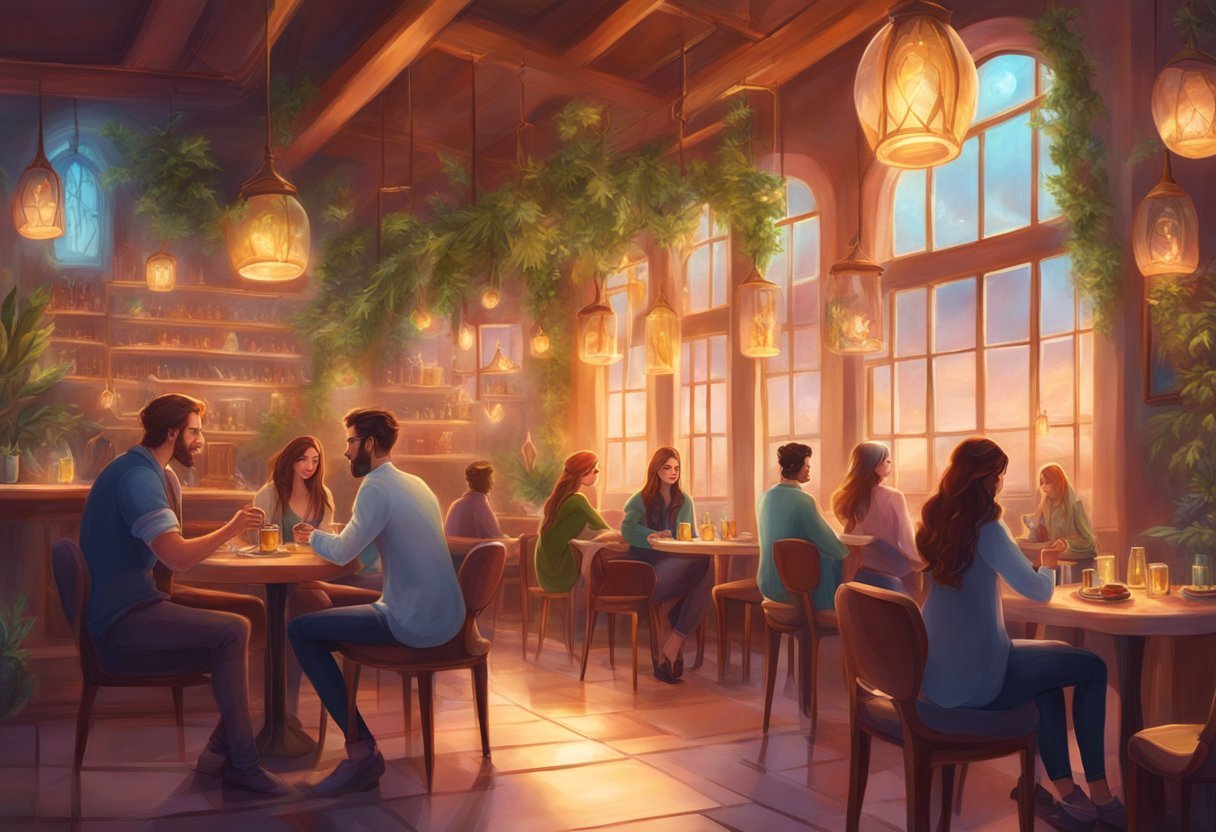
Social consumption lounges combine the relaxed atmosphere of coffee shops with the community-focused elements of cannabis culture, creating safe spaces for both experienced users and curious newcomers to consume cannabis products legally. These establishments often feature expert budtenders, high-end ventilation systems, and curated menus of cannabis offerings.
Public consumption venues represent a significant shift in how society approaches cannabis use, moving from stigmatized activity to mainstream social experience. Many lounges now incorporate entertainment, educational events, and food service to create comprehensive social destinations that normalize responsible cannabis use.
The Emergence of Cannabis Consumption Lounges
Cannabis consumption lounges represent a significant shift in how people legally consume cannabis products in social settings, marking a new chapter in marijuana’s integration into mainstream society.
From Prohibition to Acceptance
The first cannabis consumption lounges emerged in Amsterdam during the 1970s, setting a precedent for social cannabis use. These establishments demonstrated how regulated spaces could facilitate responsible consumption.
In North America, underground cannabis lounges operated discretely in cities like Vancouver and San Francisco throughout the 1990s and early 2000s.
The legalization of recreational cannabis in various U.S. states created opportunities for legitimate consumption spaces. Colorado and California pioneered the early regulatory frameworks for these establishments.
Defining the Cannabis Lounge Concept
Modern cannabis lounges function similarly to bars, offering controlled environments for adults to consume cannabis products. Many provide dedicated smoking areas, ventilation systems, and consumption equipment.
These venues typically feature trained staff who guide customers through product selection and monitor consumption levels for safety. Some establishments offer food, entertainment, and educational programming.
Different business models have emerged: membership-based clubs, pay-per-visit lounges, and hybrid retail-consumption spaces.
State Legislation and Cannabis Lounges
New York’s cannabis regulations explicitly allow for consumption lounges, with licenses becoming available in 2023. The state permits both standalone lounges and retail-adjacent consumption spaces.
New Jersey and Massachusetts have developed frameworks for social consumption sites. Massachusetts municipalities can opt in to allow these establishments within their jurisdictions.
State regulations typically require:
- Proper ventilation systems
- Age verification procedures
- Staff training programs
- Security measures
- Consumption limits
Business Models and Revenue Streams
Cannabis consumption lounges generate income through multiple channels, including direct product sales, admission fees, and membership programs. Successful venues combine retail operations with experiential elements to maximize revenue potential.
Cannabis Cafés Versus Dispensaries
Cannabis cafés differ from traditional dispensaries by offering on-site consumption spaces and additional amenities. Cafés typically charge entrance fees ranging from $10-30 per visit, while maintaining regular retail sales margins on cannabis products.
These venues require specialized ventilation systems and designated consumption areas to comply with local regulations. Many operate with both indoor and outdoor spaces to accommodate different preferences.
Staff members at cannabis cafés need additional training compared to dispensary workers, as they must understand both product knowledge and hospitality service standards.
Product Offerings and Experiences
Cannabis cafés stock a curated selection of flowers, pre-rolls, and concentrates for immediate consumption. Many venues feature signature infused beverages and cannabis-free food items to complement the experience.
Popular offerings include:
- Guided tasting flights
- Educational workshops
- Private event spaces
- Cannabis pairing sessions
- Themed social gatherings
Some locations partner with local chefs and mixologists to create unique infused menu items, setting themselves apart from standard dispensaries.
Membership and Community Engagement
Monthly membership programs create steady revenue streams while building customer loyalty. Typical benefits include:
- Priority access
- Exclusive events
- Product discounts
- Reserved seating
- Member-only menu items
Successful lounges host regular community events such as comedy nights, live music, and educational seminars. These activities attract new customers and encourage repeat visits.
Many venues create partnerships with local businesses and artists to enhance their event calendars and strengthen community ties.
Legal Considerations and Compliance
Social consumption lounges face complex regulatory requirements at state and local levels. Operating these establishments requires strict adherence to specific licensing frameworks, security protocols, and public health guidelines.
Navigating State Regulations
States with legal cannabis markets maintain distinct requirements for social consumption venues. Massachusetts mandates separate licenses for cannabis retailers and consumption establishments, while Nevada requires lounges to partner with licensed dispensaries.
Each state sets specific rules for ventilation systems, outdoor spaces, and maximum occupancy limits. Most jurisdictions prohibit alcohol sales within consumption spaces.
Staff members must complete state-approved training programs covering responsible service practices and recognition of cannabis impairment.
Cannabis Control Agencies
State cannabis control commissions establish detailed operational guidelines. These agencies conduct regular compliance inspections and maintain oversight of security protocols.
The Maryland Cannabis Administration requires consumption lounges to implement seed-to-sale tracking systems and maintain detailed customer records.
Security measures include mandatory surveillance systems, ID verification procedures, and safe storage protocols for cannabis products.
Impact on Local Communities
Municipalities hold significant authority over social consumption permits. Local governments can restrict hours of operation, limit venue locations, and impose additional safety requirements.
Many cities require consumption lounges to install advanced air filtration systems to prevent cannabis odors from affecting nearby properties.
Zoning restrictions often mandate minimum distances between lounges and sensitive locations like schools, parks, and residential areas.
Local law enforcement agencies work with venue operators to develop safety protocols and emergency response procedures.
Consumer Health and Safety

Safe cannabis consumption in social settings requires proper education, harm reduction practices, and rigorous quality control measures. Operators must prioritize patron wellbeing through evidence-based policies and protocols.
Harm Reduction Strategies
Social consumption lounges implement strict ventilation systems to minimize secondhand smoke exposure. Designated outdoor spaces and separated smoking areas help protect non-smoking guests.
Staff receive training to recognize signs of overconsumption and intoxication. They monitor patron behavior and can intervene when necessary to prevent adverse effects.
Many lounges establish consumption limits per visit and track guest intake. This practice helps prevent excessive use while allowing enjoyable social experiences.
Alternative consumption methods like vaporizers and edibles are often available to reduce respiratory risks associated with smoking.
Responsible Consumption Education
Educational materials and signage explain proper dosing guidelines for different cannabis products. Guests learn about onset times and duration of effects for various consumption methods.
Staff provide guidance on mixing cannabis products safely and potential interactions with alcohol or medications.
Visual aids and infographics display common effects and warning signs of overconsumption. This helps guests make informed decisions about their usage.
Quality Control and Product Testing
Licensed lounges source cannabis products exclusively from regulated manufacturers who meet strict testing requirements.
Products undergo laboratory analysis for potency, pesticides, heavy metals, and microbial contamination. Test results remain available for guest review.
Storage protocols maintain product freshness and prevent degradation. Temperature-controlled environments protect terpenes and cannabinoids.
Staff inspect products regularly for quality issues like mold or package tampering. Proper handling procedures prevent contamination during service.
Tourism and Economic Impact
Social consumption lounges generate substantial revenue through direct cannabis sales and create opportunities across multiple business sectors, from hospitality to retail.
Attracting Cannabis Tourists
Cannabis lounges serve as primary destinations for travelers seeking legal consumption spaces. States with established consumption venues report 20-30% increases in tourism-related spending.
These venues attract both domestic and international visitors who spend an average of $420 per day on accommodations, food, and cannabis products.
Major cannabis-friendly cities like Denver and Las Vegas have seen marked increases in weekend tourism, with 15% of visitors citing consumption lounges as a key factor in their travel decisions.
The Ripple Effect on Local Economies
Cannabis lounges create jobs beyond budtenders and security staff. Each venue typically employs 15-25 people, including managers, servers, cleaning staff, and entertainment coordinators.
Local real estate values near licensed consumption spaces have increased 8-12% in established markets.
Tax revenue from these businesses supports public services, infrastructure improvements, and community programs. Cities report collecting $250,000-500,000 annually per venue in tax revenue.
Integration with Other Hospitality Services
Hotels partner with cannabis lounges to offer shuttle services and exclusive guest packages. Several boutique hotels now feature dedicated consumption areas.
Local tour companies bundle lounge visits with other attractions, creating comprehensive cannabis tourism experiences.
Restaurants near consumption venues report 25% increases in food orders, while ride-sharing services see significant upticks during lounge operating hours.
Event planners incorporate cannabis lounges into conference schedules and private celebrations, creating new revenue streams for venue operators.