
Cannabis stigma continues to influence public perception despite growing legalization and medical acceptance worldwide. Ancient cultures valued cannabis for its therapeutic properties, yet modern misconceptions paint an incomplete picture of this complex plant.
Scientific research demonstrates that cannabis offers legitimate medical applications while carrying lower health risks than many legal substances like alcohol and tobacco. Social attitudes are shifting as people learn to separate fact from fiction through evidence-based education.
Outdated stereotypes and misinformation have created barriers to meaningful discussions about cannabis policy and healthcare applications. Breaking down these barriers requires open dialogue and accurate information to help society develop a more nuanced understanding based on current research rather than decades-old propaganda.
Historical Context of Cannabis Stigma

The spread of anti-cannabis propaganda in the early 20th century shaped negative public perceptions that persist today. Systematic campaigns combined with harsh legal penalties created deep-rooted social stigmas around cannabis use.
Reefer Madness and Media Influence
The 1936 film “Reefer Madness” exemplified the sensationalized anti-cannabis messaging of the 1930s. The movie portrayed cannabis users as violent criminals and mentally unstable individuals.
Major newspapers published inflammatory stories linking cannabis to crime and moral degradation. The term “marijuana” was deliberately used instead of cannabis to associate it with Mexican immigrants and stoke xenophobic fears.
Media outlets amplified claims from the Federal Bureau of Narcotics that cannabis caused insanity, violence, and social deviance. These manufactured fears spread through radio shows, public service announcements, and educational materials.
Legal Consequences and Social Norms
The Marihuana Tax Act of 1937 effectively criminalized cannabis possession across the United States. This legislation led to widespread arrests and severe penalties that disproportionately impacted minority communities.
The 1970 Controlled Substances Act classified cannabis as Schedule I, defining it as having no medical use and high potential for abuse. This classification reinforced existing stigmas and barriers to research.
Law enforcement agencies prioritized cannabis-related arrests, leading to millions of incarcerations. Criminal records created lasting barriers to employment, housing, and education for many Americans.
Social institutions adopted strict anti-cannabis policies. Schools implemented “zero tolerance” rules while employers mandated drug testing, further embedding stigma into cultural norms.
Medical Cannabis: Combatting Stereotypes
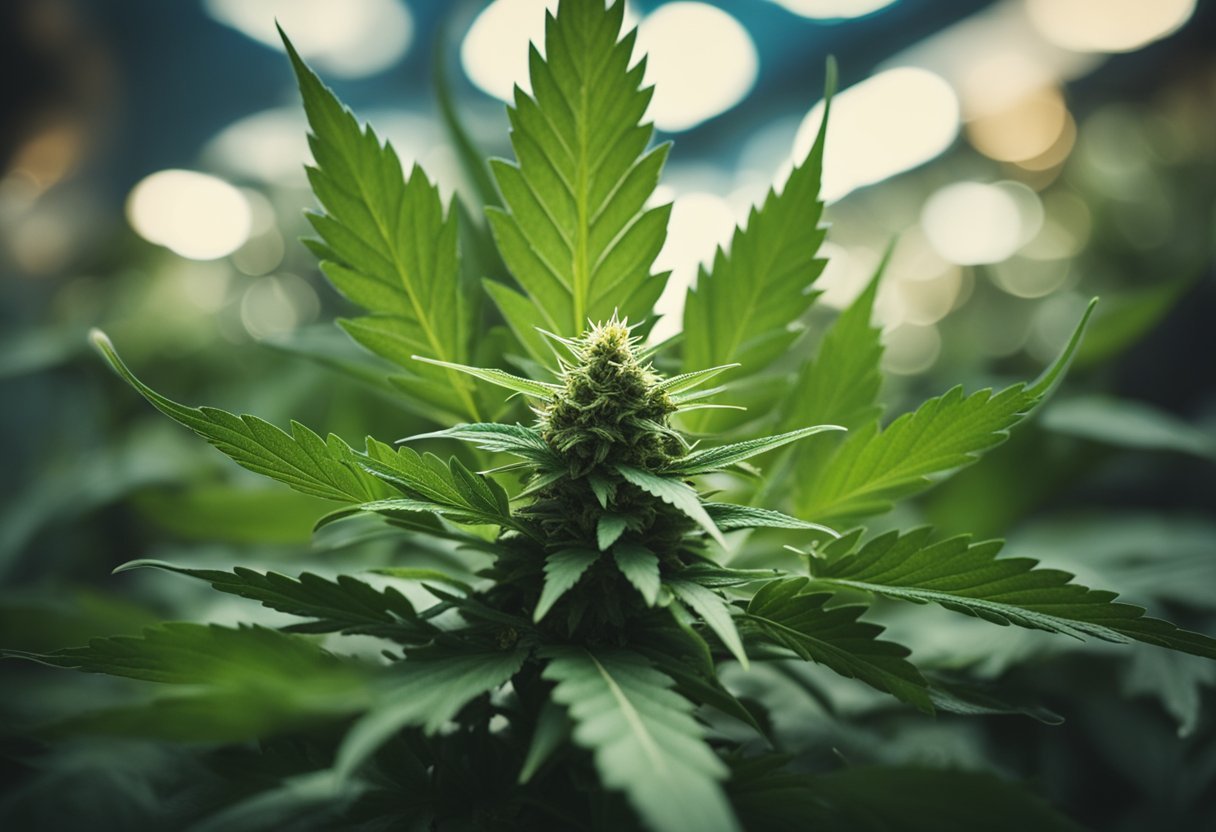
Medical cannabis has emerged as a legitimate therapeutic option with scientifically proven benefits for numerous health conditions. Research demonstrates its effectiveness in managing various symptoms while maintaining patient safety under proper medical supervision.
Therapeutic Properties and Conditions Treated
Cannabis contains over 100 cannabinoids that interact with the body’s endocannabinoid system. Key compounds include THC and CBD, each offering distinct medical benefits.
Medical cannabis effectively treats chronic pain associated with arthritis, fibromyalgia, and multiple sclerosis. Studies show significant pain reduction and improved mobility in patients using cannabis-based medications.
Research confirms its value in managing chemotherapy-induced symptoms:
- Reduces nausea and vomiting
- Improves appetite
- Alleviates anxiety
- Enhances sleep quality
Children with severe forms of epilepsy have shown marked reduction in seizure frequency with CBD-based treatments.
Changing Perspectives in Healthcare
Healthcare providers increasingly recognize medical cannabis as a valid treatment option. A 2024 survey revealed 72% of physicians support its use in appropriate medical situations.
Medical schools now include endocannabinoid system education in their curricula. This knowledge helps new doctors better understand cannabis-based treatments.
Professional medical organizations have published guidelines for cannabis prescriptions, standardizing its use in clinical settings.
Patient success stories continue to reshape public perception. Many healthcare facilities now offer cannabis consultations alongside traditional treatments.
Insurance companies have begun covering medical cannabis expenses in select regions, marking a significant shift in legitimacy.
Social Dynamics of Cannabis Use

The intersection of cannabis use with social identity and privilege creates distinct patterns of stigma and acceptance across different demographic groups. These patterns shape both individual experiences and broader societal attitudes.
Gender, Race, and Social Privilege
Cannabis enforcement disproportionately impacts communities of color, with Black individuals facing arrest rates up to 4 times higher than white individuals in many jurisdictions.
Women who use cannabis often face harsher social judgment than men, particularly in professional settings and parenting contexts.
Social class significantly influences how cannabis use is perceived. Upper-middle-class consumption is often framed as “wellness” while lower-income use faces greater scrutiny and criminalization.
Structural barriers create uneven access to legal cannabis markets, with licensing fees and capital requirements limiting ownership opportunities for marginalized groups.
Normalization and Acceptance
Legal markets have shifted cannabis use from counterculture to mainstream, particularly among middle-class professionals and older adults.
Media representation increasingly portrays cannabis use as routine rather than deviant, though these portrayals often center privileged groups.
Geographic location strongly influences social acceptance, with urban areas typically showing greater normalization than rural communities.
Professional settings demonstrate evolving attitudes, though many workplaces maintain strict policies despite changing legal status.
The Role of Education in Shaping Perceptions

Educational initiatives play a vital role in transforming public attitudes toward cannabis through scientific evidence and factual information. Accurate knowledge helps bridge the gap between fear-based stigma and evidence-based understanding.
From Misconceptions to Understanding
Formal education about the endocannabinoid system and cannabis science helps dispel common myths. Many people falsely believe cannabis leads only to negative mental health outcomes.
Research shows that cannabis can help manage anxiety disorders and stress when used responsibly under proper medical guidance. This scientific knowledge helps reduce stigma against medical cannabis patients.
Educational programs that focus on neuroscience and biology help people grasp how cannabis interacts with the body’s natural systems. This knowledge promotes more nuanced discussions about cannabis use.
Educational Initiatives and Responsible Use
Medical schools now include cannabis education in their curricula, training future healthcare providers to discuss cannabis objectively with patients. This formal training enhances compassionate care.
Key Educational Topics:
- Safe consumption methods
- Dosage guidelines
- Potential risks and benefits
- Drug interactions
- Legal compliance
Community education programs teach responsible use practices and harm reduction strategies. These initiatives help users make informed decisions about consumption.
Public health campaigns focus on evidence-based information rather than scare tactics. This approach builds trust and encourages open dialogue about cannabis use.
Evolving Legal and Business Landscape
The cannabis industry has transformed from an underground market to a regulated, multi-billion dollar sector, creating jobs and generating significant tax revenue across legalized regions.
Cannabis Legalization and Economy
Legal cannabis sales reached $30 billion globally in 2024, with projections indicating continued growth through 2030.
States with legalized cannabis have seen substantial economic benefits. Colorado collected over $2.2 billion in tax revenue from cannabis sales between 2014 and 2024.
Employment in the cannabis sector continues to expand rapidly. The industry now supports over 400,000 full-time jobs in the United States alone.
New business opportunities emerge daily across cultivation, processing, retail, and ancillary services. Investment in cannabis companies has attracted both venture capital and institutional investors.
Cannabis Products and Consumer Choice
Licensed producers now offer diverse product lines beyond traditional flower, meeting varied consumer preferences and medical needs.
Popular Cannabis Products:
- Precision-dosed edibles
- CBD-infused beverages
- Concentrated oils and tinctures
- Topical applications
- Vaporizer cartridges
Quality control and testing requirements ensure product safety and consistency. Labels provide detailed information about THC and CBD content, helping consumers make informed choices.
Specialized medical formulations target specific conditions, while recreational products focus on different experiences and effects. Retail stores employ trained staff to guide customers through product selection.