
More seniors are exploring cannabis as a natural remedy for various age-related conditions. Many older adults seek alternatives to traditional medications for managing pain, sleep issues, and anxiety.
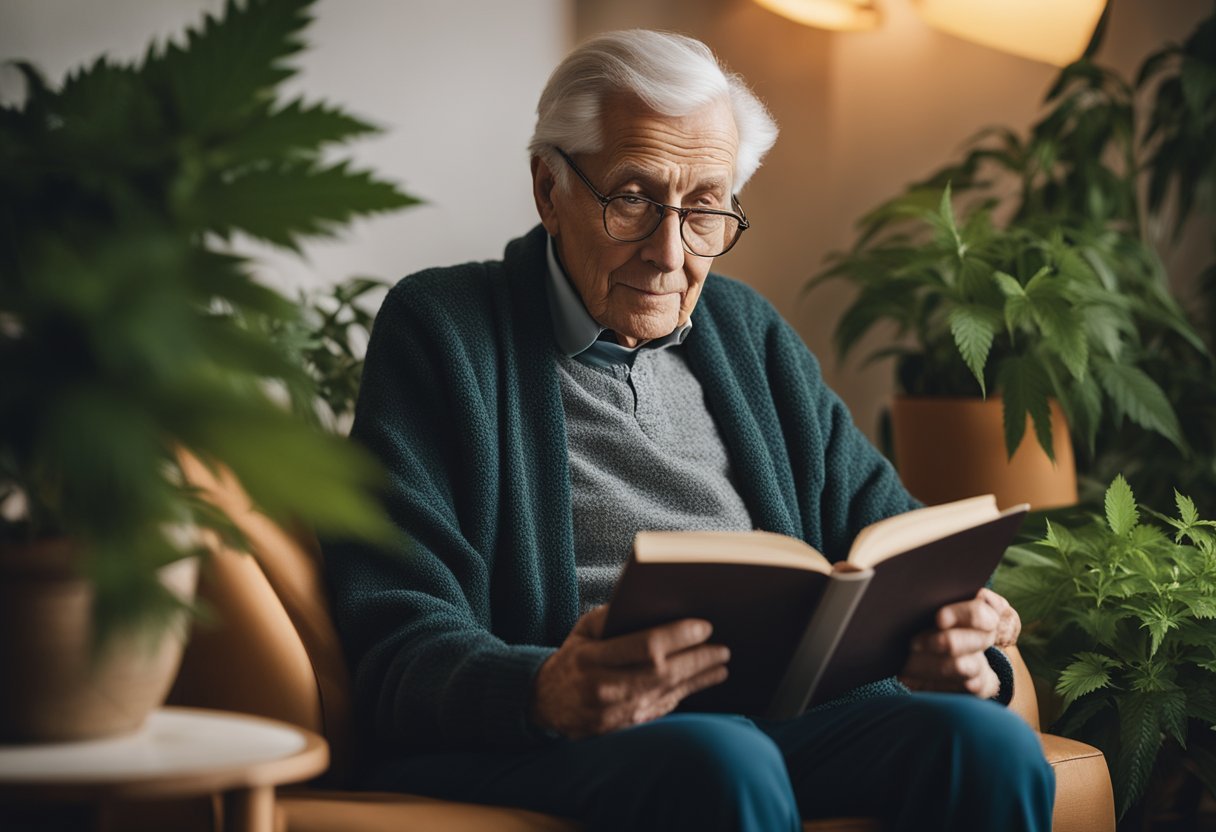
Research shows cannabis can help seniors reduce prescription medication use, improve sleep quality, and decrease chronic pain when used appropriately under medical supervision. A 2020 study found that 83% of seniors reported improved quality of life after incorporating cannabis into their wellness routine.
Proper dosing and consumption methods are essential considerations for seniors new to cannabis use. Starting with low doses and choosing the right strain can maximize benefits while minimizing potential side effects.
Understanding Cannabis
Cannabis contains over 100 unique compounds that interact with the body’s endocannabinoid system to produce various therapeutic effects. Different strains, consumption methods, and cannabinoid ratios create distinct experiences and benefits.
Types of Cannabis and Their Effects
Cannabis sativa and Cannabis indica represent the two main varieties, with hybrid strains combining characteristics of both. Sativa strains typically promote energy and mental clarity, making them suitable for daytime use. These strains often help with focus and mood elevation.
Indica strains tend to provide relaxation and pain relief, making them popular for evening use. Many seniors prefer indica-dominant varieties for sleep support and physical discomfort.
Hybrid strains offer balanced effects, allowing users to target specific symptoms while managing side effects. The presence of terpenes – aromatic compounds in cannabis – contributes to each strain’s unique properties.
Cannabinoids: THC vs. CBD
THC (tetrahydrocannabinol) and CBD (cannabidiol) are the primary active compounds in cannabis. THC produces psychoactive effects and can help with pain, nausea, and appetite stimulation.
CBD does not cause intoxication and offers anti-inflammatory and anxiolytic properties. Many seniors choose CBD-dominant products to avoid cognitive effects while gaining therapeutic benefits.
The ratio of THC to CBD impacts the overall effects:
- High THC/Low CBD: Stronger psychoactive effects
- Balanced THC/CBD: Moderate effects with reduced anxiety
- High CBD/Low THC: Minimal intoxication, focused on therapeutic benefits
Different Forms of Consumption
Inhalation Methods:
- Vaporizing dried flower or concentrates
- Traditional smoking (less recommended for seniors)
Oral Options:
- Tinctures for precise dosing
- Edibles with longer-lasting effects
- Capsules for consistent dosing
Topical Applications:
- Creams and balms for localized relief
- Patches for extended release
- Oils for massage and skin absorption
Each consumption method offers unique onset times and duration. Tinctures and vaporizers provide quick relief, while edibles offer extended benefits. Topicals work well for joint and muscle discomfort without systemic effects.
Benefits and Risks for Seniors
Cannabis use among older adults requires careful consideration of both therapeutic potential and possible adverse effects. Proper dosing and administration methods play crucial roles in maximizing benefits while minimizing risks.
Potential Health Benefits
Cannabis compounds interact with the body’s endocannabinoid system to address various age-related conditions. Medical cannabis can reduce chronic pain from arthritis and neuropathy by targeting inflammation and pain receptors.
Studies show CBD and THC help manage anxiety and depression symptoms in seniors without the side effects of many traditional medications.
Sleep quality often improves with controlled cannabis use, particularly with CBD-dominant strains that promote relaxation without significant psychoactive effects.
Research indicates cannabis may help reduce the need for prescription pain medications, including opioids, in older adults managing chronic conditions.
Common Risks and Side Effects
Seniors face increased sensitivity to THC’s psychoactive effects. Even moderate doses can cause dizziness and impaired balance, raising fall risks.
Cognitive effects include short-term memory issues and decreased reaction time, which may impact daily activities and driving ability.
Cannabis can interact with common medications prescribed to seniors. Regular consultation with healthcare providers is essential to prevent adverse drug interactions.
Smoking cannabis poses respiratory risks. Alternative consumption methods like tinctures or edibles offer safer options for older adults.
Some seniors experience increased heart rate and blood pressure changes. Those with cardiovascular conditions need careful monitoring when using cannabis.
Safe Usage Guidelines
Following proper safety protocols helps seniors maximize the benefits of cannabis while minimizing potential risks. A methodical approach to usage, medication awareness, and professional guidance creates a foundation for positive experiences.
Starting with Low Dosage
Begin with 2.5mg THC or less per serving. This small amount allows seniors to gauge their individual response to cannabis without overwhelming effects.
The “start low and go slow” approach means waiting at least 2 hours before taking additional doses. Edibles can take 30-90 minutes to produce effects.
Track consumption amounts and reactions in a simple log. Note the type of product, dosage, time taken, and effects experienced.
Avoiding Negative Drug Interactions
Cannabis can interact with several common medications seniors take. Blood thinners, antidepressants, and anxiety medications require special attention.
Common Medications to Monitor:
- Blood pressure medications
- Heart rhythm medications
- Anti-anxiety drugs
- Sleep aids
- Pain medications
Keep a current list of all medications, including supplements and over-the-counter drugs. Share this list with dispensary staff and healthcare providers.
Consulting with Healthcare Providers
Schedule an appointment specifically to discuss cannabis use with primary care providers. Bring documentation about current or planned cannabis products.
Key Discussion Points:
- Medical conditions being treated
- Current medications
- Previous cannabis experience
- Preferred consumption methods
- Local medical marijuana regulations
Many doctors can provide guidance on obtaining a medical marijuana card, which often allows access to products with specific THC ratios suited for seniors.
Ask for regular check-ins to monitor effects and adjust treatment plans as needed. Document any side effects or concerns between appointments.
Practical Tips for Cannabis Consumption
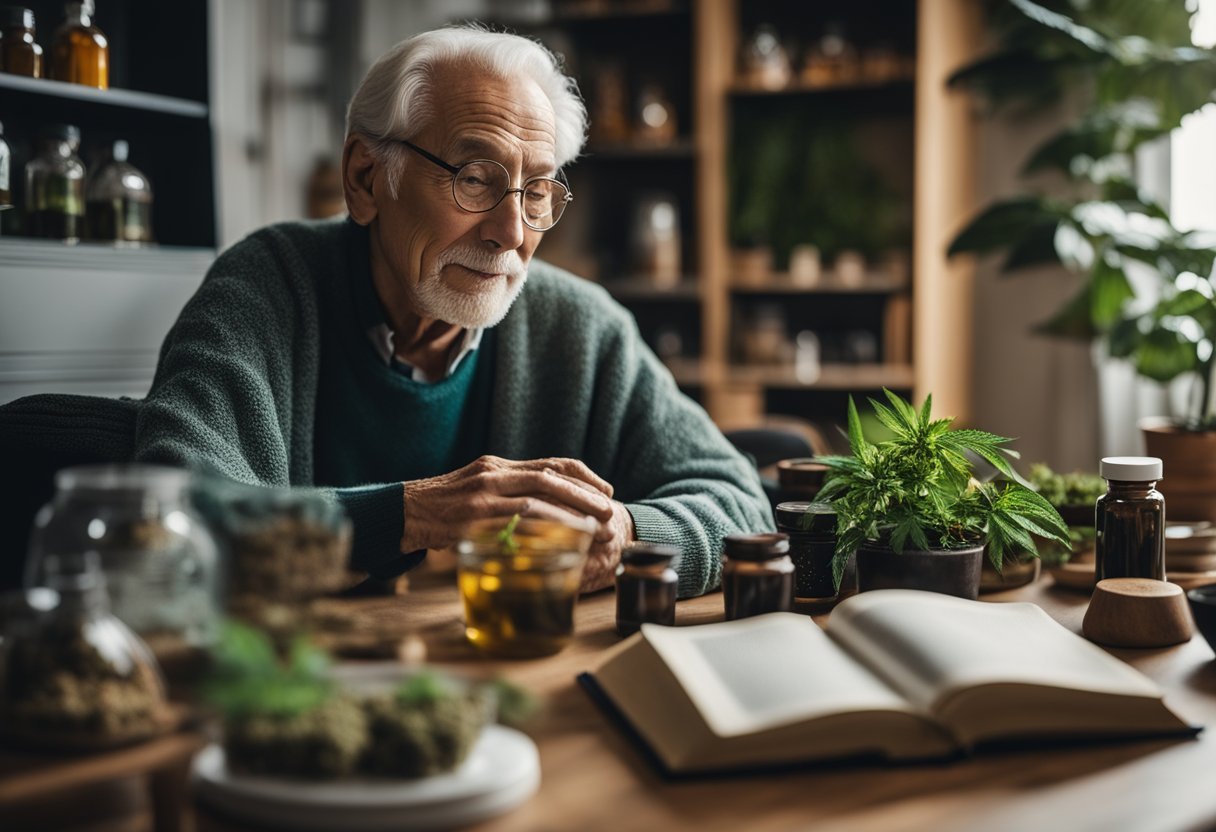
Safe and effective cannabis use requires careful attention to product selection, legal compliance, and quality standards. These elements form the foundation for a positive experience with cannabis products.
Choosing the Right Product
Start with products that contain balanced THC and CBD ratios, typically 1:1 or 2:1 CBD to THC. Low-THC options minimize unwanted psychoactive effects while maintaining therapeutic benefits.
Common Product Types:
- Tinctures: Easy to dose, long-lasting effects
- Topical creams: Targeted relief without psychoactive effects
- Edibles: Precise dosing, extended duration
- Vaporizers: Fast-acting, controlled intake
Begin with micro-doses of 2.5mg THC or less. Wait 2-4 hours before considering additional doses with edibles, or 15-30 minutes with inhaled products.
Understanding Legal Considerations
Check local regulations regarding possession limits and required documentation. Many states require a medical marijuana card for legal purchase and use.
Register with licensed dispensaries and maintain current prescriptions or authorizations. Keep receipts and product documentation.
Transportation rules vary by jurisdiction. Store cannabis products in original packaging with clear labeling.
Ensuring Product Quality and Safety
Purchase only from licensed dispensaries with third-party lab testing. Request certificates of analysis showing cannabinoid content and contaminant screening.
Quality Indicators:
- Clear labeling of THC/CBD content
- Batch numbers and expiration dates
- Tamper-evident packaging
- Laboratory test results
Store products in cool, dark places away from direct sunlight. Use airtight containers to maintain freshness. Check expiration dates regularly and dispose of expired products properly.
Impact on Specific Health Issues
Cannabis offers therapeutic potential for several age-related health challenges, with clinical studies showing notable benefits for chronic pain, sleep disturbances, and anxiety in older populations.
Pain Management in Aging Adults
Chronic pain affects up to 75% of seniors, making effective pain management crucial for quality of life. Cannabis compounds interact with the body’s endocannabinoid system to reduce inflammation and pain signals.
CBD and THC combinations have demonstrated significant pain relief for conditions like arthritis, neuropathy, and back pain. Studies show that seniors often reduce their reliance on prescription painkillers after starting cannabis treatment.
Recommended Methods for Pain Relief:
- Topical applications for localized pain
- Low-dose edibles for extended relief
- CBD-dominant products for daytime use
Improving Sleep Quality
Sleep disorders become more prevalent with age, affecting up to 50% of older adults. Cannabis can help regulate sleep-wake cycles and increase total sleep duration.
Research indicates that THC reduces the time needed to fall asleep, while CBD may help maintain consistent sleep patterns. Elderly users report fewer sleep interruptions and improved morning alertness.
Key Sleep Benefits:
- Reduced sleep latency
- Decreased nighttime wake episodes
- Enhanced deep sleep phases
Cannabis for Mental Health and Relaxation
Stress and anxiety can significantly impact senior health. Low-dose cannabis products help promote relaxation without severe cognitive effects.
Medical studies demonstrate reduced anxiety levels and improved mood in older adults using cannabis. Many seniors report feeling more socially engaged and experiencing better emotional well-being.
Effective Usage Tips:
- Start with minimal doses
- Choose CBD-rich strains for anxiety
- Time consumption for evening relaxation