
Cannabis edibles have evolved far beyond the traditional brownie, especially for those following plant-based diets. Vegan cannabis edibles use ingredients like coconut oil, plant milk, and natural sweeteners to create potent infusions without any animal products.
Health-conscious consumers seeking alternative ways to enjoy cannabis can explore a wide range of veggie-forward options. From fruit gummies made with pectin instead of gelatin to raw energy balls packed with nuts and seeds, plant-based edibles offer clean ingredients and precise dosing.
The expanding market for vegan cannabis products reflects growing interest in both plant-based lifestyles and cannabis consumption. These products cater to dietary restrictions while providing the same effects as conventional edibles, making them accessible to a broader audience seeking healthier alternatives.
Understanding Cannabis Cuisine
Cannabis cooking requires precise temperature control and proper activation of key compounds to create effective edibles. Proper preparation transforms raw cannabis into bioavailable forms the body can process.
Essential Compounds: THC and CBD
THC (tetrahydrocannabinol) acts as the primary psychoactive compound in cannabis, producing the characteristic “high” effect. CBD (cannabidiol) offers therapeutic benefits without intoxication.
Raw cannabis contains THCA and CBDA, which are non-psychoactive acid forms of these compounds. The human body cannot effectively process these acid forms.
Different cannabis strains contain varying ratios of THC to CBD. High-THC strains typically produce stronger psychoactive effects, while high-CBD strains focus on therapeutic benefits.
The Process of Decarboxylation
Decarboxylation converts THCA and CBDA into their active forms through controlled heating. This critical step makes cannabis compounds bioavailable.
The ideal decarboxylation temperature ranges from 220-245°F (104-118°C). The process typically takes 30-45 minutes in an oven.
Common signs of successful decarboxylation include a color change from green to light brown and a stronger cannabis aroma.
Without proper decarboxylation, edibles will lack potency since the compounds remain in their inactive acid forms.
Vegan Cannabis Cooking Ingredients
Plant-based alternatives exist for traditional cannabis cooking ingredients, offering vegans and vegetarians accessible options for infused edibles. Many companies now produce specialized products to meet growing demand.
Alternatives for Cannabutter and Honey
Coconut oil serves as an excellent base for vegan cannabutter due to its high fat content and mild flavor profile. The saturated fats effectively bind with THC and other cannabinoids during infusion.
Olive oil and avocado oil provide additional plant-based options for cannabis infusion, though they may impart stronger flavors to final products.
Agave nectar and maple syrup work as direct substitutes for cannabis-infused honey in recipes. These natural sweeteners blend well with cannabis extracts and maintain consistency in baked goods.
Vegan-Friendly Brands and Products
Wana Brands offers vegan gummies made with pectin instead of gelatin. Their products contain natural fruit flavors and colors from plant sources.
Several companies produce ready-made vegan cannabutter using coconut oil bases. These products save time while ensuring consistent potency.
Plant-based cannabis chocolate bars frequently use alternatives like carob and cocoa butter. Many manufacturers label products clearly with “vegan” certification for easy identification.
Major dispensaries now stock dedicated sections for vegan cannabis edibles, featuring clearly marked dairy-free and gelatin-free options.
Creating Vegan Edibles
Plant-based cannabis cuisine requires careful substitution of animal products while maintaining potency and flavor. The key lies in selecting high-quality plant oils and developing proper infusion techniques.
Vegan Cannabutter Recipe
Coconut oil serves as an ideal base for vegan cannabutter due to its high fat content and molecular structure. Start with 2 cups of coconut oil and 1 ounce of decarboxylated cannabis.
Heat the coconut oil in a double boiler at 160-180°F. Add the ground cannabis and stir gently.
Let the mixture simmer for 2-3 hours, stirring occasionally. Strain through a cheesecloth into an airtight container.
Pro tip: Adding 2 tablespoons of sunflower lecithin improves bioavailability and helps bind the cannabinoids to the oil.
Plant-Based Cannabis Recipes
Classic chocolate chip cookies use flax eggs (1 tablespoon ground flax + 3 tablespoons water) to replace traditional eggs. Mix with vegan cannabutter, brown sugar, and vanilla extract.
Basic Recipe Ratios:
- 1/2 cup vegan cannabutter
- 1/3 cup plant milk
- 2 flax eggs
- 2 cups flour
Brownies benefit from mashed bananas or applesauce as egg replacers, creating a moist texture while maintaining structural integrity.
Energy balls combine dates, nuts, cocoa powder, and cannabis-infused coconut oil for a no-bake treat.
Cooking Techniques and Tips
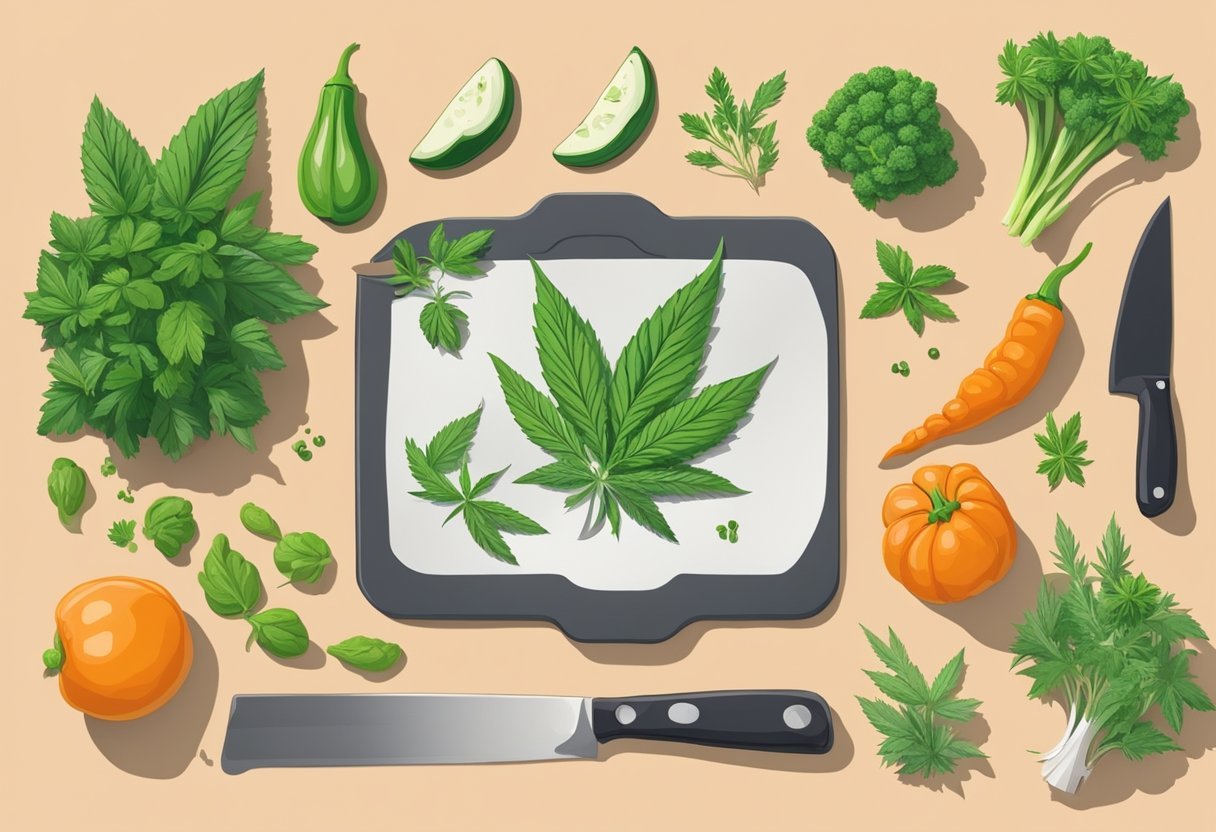
Creating delicious vegan cannabis edibles requires precise temperature control and careful attention to ingredient selection. The right techniques ensure maximum potency while maintaining the integrity of plant-based ingredients.
Mastering Vegan Infusions
Cannabis infuses best with plant-based fats like coconut oil, olive oil, and vegan butter alternatives. Heat control remains crucial – temperatures between 160-180°F (71-82°C) extract cannabinoids effectively without degradation.
Essential Temperature Guidelines:
- Decarboxylation: 240°F (116°C) for 40 minutes
- Oil infusion: 160-180°F (71-82°C) for 2-3 hours
- Never exceed 245°F (118°C) during cooking
A digital thermometer provides the most accurate temperature monitoring. Double-boiler setups work best for maintaining steady heat levels during infusion.
Strain the infused oil through cheesecloth twice to remove plant material. Store infused oils in dark glass containers in the refrigerator for up to 2 months.
Testing potency on small batches helps perfect the infusion strength. Start with 1 cup of oil to 7-14 grams of ground cannabis, adjusting ratios based on desired potency.
The Intersection of Veganism and Cannabis
The rise of plant-based lifestyles has created a natural alliance with cannabis culture. Many cannabis consumers who follow vegan principles seek edibles that align with their ethical choices and dietary restrictions.
Cannabis plants themselves are entirely vegan, but traditional edibles often contain animal products like butter, eggs, or gelatin. This has sparked innovation in the cannabis culinary world, with chefs and manufacturers developing new recipes using plant-based alternatives.
Common vegan binding agents for cannabis edibles include:
- Coconut oil
- Olive oil
- Nut butters
- Aquafaba
- Plant-based lecithin
The vegan cannabis community emphasizes both personal health and environmental sustainability. Plant-based edibles typically have a lower carbon footprint compared to those containing animal products.
Many dispensaries now stock dedicated vegan cannabis product lines. These include gummies made with fruit pectin, dark chocolate edibles, and infused cooking oils.
The combination of veganism and cannabis reflects broader societal shifts toward conscious consumption. Both movements share core values of harm reduction and natural wellness.
Some dispensaries report increasing demand for vegan-certified cannabis products. This trend has encouraged more manufacturers to create plant-based options and clearly label their vegan offerings.