
Cannabis laws have undergone dramatic shifts since the early 2000s, transforming from strict prohibition to varied forms of legalization across the globe. As of 2025, 48 countries have legalized cannabis for medical use, while 12 nations permit recreational consumption, marking a significant change in global drug policy.

The legal status of cannabis differs substantially between regions, with some countries embracing full legalization while others maintain zero-tolerance policies. These contrasting approaches reflect diverse cultural attitudes, economic interests, and public health considerations.
Nations that have embraced cannabis reform report positive economic impacts through tax revenue and job creation, prompting other governments to reconsider their stance. Recent studies indicate that regulated cannabis markets reduce illegal drug trade activities and allow better control over product quality and safety standards.
Historical Context of Cannabis Laws

Cannabis legislation has undergone significant shifts throughout history, from widespread acceptance in ancient civilizations to strict prohibition in the 20th century, followed by recent reform movements.
From Early Legalization to Global Prohibition
Cannabis cultivation thrived in ancient civilizations, with evidence of its use dating back to 2800 BCE in China for medicinal and industrial purposes.
Throughout the 19th century, cannabis remained legal and widely used in Western medicine. Queen Victoria’s physician prescribed cannabis for menstrual pain, while American pharmacies sold cannabis-based medicines openly.
The first restrictions emerged in colonial India with the Indian Hemp Drugs Commission in 1894, though it ultimately recommended continued cannabis trade regulation rather than prohibition.
Between 1920 and 1930, several countries began implementing cannabis restrictions, including the UK’s Dangerous Drugs Act of 1925 and Canada’s narcotics laws.
Influence of the Marihuana Tax Act of 1937
The Marihuana Tax Act marked the first federal U.S. action against cannabis, effectively criminalizing possession through excessive taxation and strict regulations.
Harry Anslinger, head of the Federal Bureau of Narcotics, led the campaign against cannabis using racial prejudice and sensationalized claims about violence and crime.
The Act required dealers to pay special taxes and maintain detailed records, while non-compliance carried heavy fines and potential imprisonment.
This legislation set a precedent for cannabis prohibition worldwide, influencing international drug policies for decades to come.
The War on Drugs and Its Impact
President Nixon declared the War on Drugs in 1971, significantly escalating cannabis prohibition through the Controlled Substances Act and classifying it as Schedule I.
The DEA’s formation in 1973 intensified enforcement efforts, leading to increased arrests and mandatory minimum sentences for cannabis-related offenses.
International pressure from the U.S. led many countries to adopt strict anti-cannabis policies through UN conventions and bilateral agreements.
The war on drugs disproportionately affected minority communities, with arrest rates for cannabis possession showing significant racial disparities.
Medical Cannabis: Legislation and Therapeutic Use
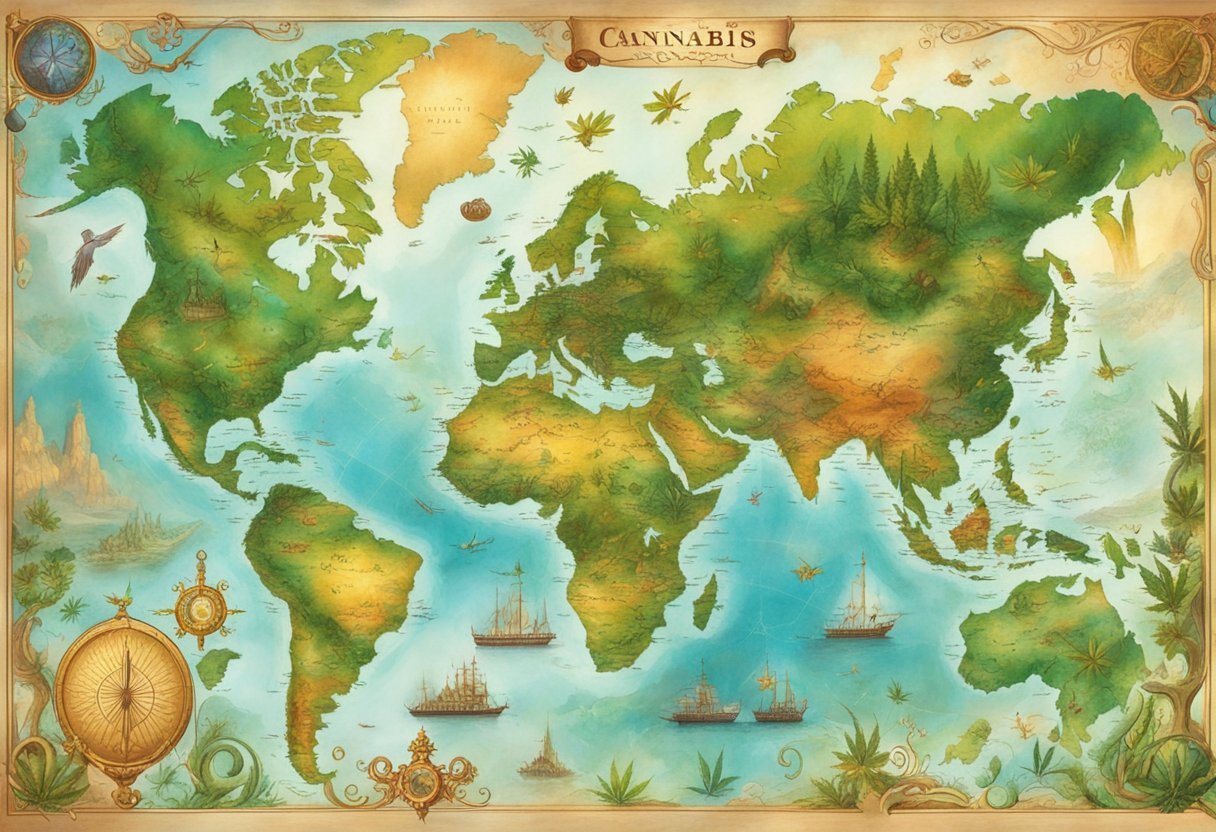
Medical cannabis programs have transformed healthcare systems worldwide, providing regulated access to cannabis-based treatments for various medical conditions while maintaining strict quality control standards.
Development of Medical Cannabis Programs
Canada established one of the first federal medical cannabis programs in 2001, setting a precedent for other nations. Israel pioneered medical cannabis research in the 1990s, developing standardized protocols for patient treatment and physician training.
Germany’s medical cannabis program, launched in 2017, allows insurance coverage for approved treatments. As of 2025, 47 U.S. states have legalized medical cannabis, though federal restrictions remain.
Recent legislative changes in Australia and the United Kingdom have created structured pathways for patient access through licensed healthcare providers.
Therapeutic Potential and Public Health Considerations
Clinical studies demonstrate cannabis’s effectiveness for chronic pain management and nausea control in cancer patients. Research indicates significant benefits for epilepsy patients, particularly those with rare forms like Dravet syndrome.
Multiple sclerosis patients report improved muscle spasticity control with standardized cannabis medications. Clinical trials show promising results for anxiety and PTSD treatment under medical supervision.
Healthcare providers must balance therapeutic benefits against potential risks, including drug interactions and cognitive effects.
Quality Control and Regulatory Frameworks
Testing Requirements for Medical Cannabis:
- Microbial contamination screening
- Pesticide residue analysis
- Cannabinoid potency verification
- Heavy metal testing
Good Manufacturing Practice (GMP) standards ensure consistent product quality across medical cannabis facilities. Independent laboratory verification confirms safety and potency before distribution to patients.
Seed-to-sale tracking systems monitor production and distribution channels, preventing diversion to unauthorized markets. Regular facility inspections and product testing maintain compliance with pharmaceutical-grade standards.
Economic and Social Implications of Cannabis Legislation

Legal cannabis markets have generated substantial economic opportunities while transforming criminal justice systems across multiple jurisdictions. States and countries with regulated markets report significant tax revenues, job growth, and reduced law enforcement costs.
Economic Benefits and Market Growth
The global legal cannabis market reached $55.9 billion in 2024, with projected annual growth rates of 14-16% through 2030. North American markets lead this expansion, with the U.S. and Canadian sectors showing particular strength.
States with mature cannabis markets demonstrate consistent revenue increases. Colorado’s market surpassed $2.2 billion in annual sales by 2024, while California’s market exceeded $5.3 billion.
Private investment in cannabis businesses has created new economic opportunities. Venture capital funding in the sector reached $4.3 billion in 2024, focusing on cultivation technology, retail operations, and product development.
Job Creation and the Role of the Cannabis Industry
The legal cannabis sector employed over 428,000 full-time workers in the U.S. by 2024. This figure represents a 40% increase from 2022.
Key employment areas include:
- Cultivation and agriculture
- Processing and manufacturing
- Retail and dispensary operations
- Testing and quality control
- Security and compliance
Average salaries in the cannabis industry range from $35,000 for entry-level positions to $150,000+ for executive roles. The sector offers competitive benefits packages to attract skilled workers.
Tax Revenue and Investment in Public Services
States with legal cannabis markets collect significant tax revenue through:
- Sales tax on cannabis products
- Excise taxes on cultivation and distribution
- Licensing fees from businesses
Colorado generated $387 million in cannabis tax revenue in 2024. These funds support:
- Public education programs
- Infrastructure development
- Substance abuse treatment
- Youth prevention initiatives
Municipal governments receive portions of cannabis tax revenue, funding local services and community programs.
Social Impacts and Criminal Justice Reform
Legal cannabis markets have reduced arrest rates for possession by 90% in participating jurisdictions. This change has significantly decreased the burden on law enforcement and court systems.
Several states have implemented expungement programs, clearing previous cannabis-related convictions. These initiatives have helped over 100,000 individuals access better employment and housing opportunities.
Public health data from legal markets shows stable usage rates among adults, with improved product safety through testing requirements and labeling standards.
Law enforcement agencies report shifting resources toward violent crime prevention, showing improved efficiency in resource allocation.
Global Landscape of Cannabis Legislation
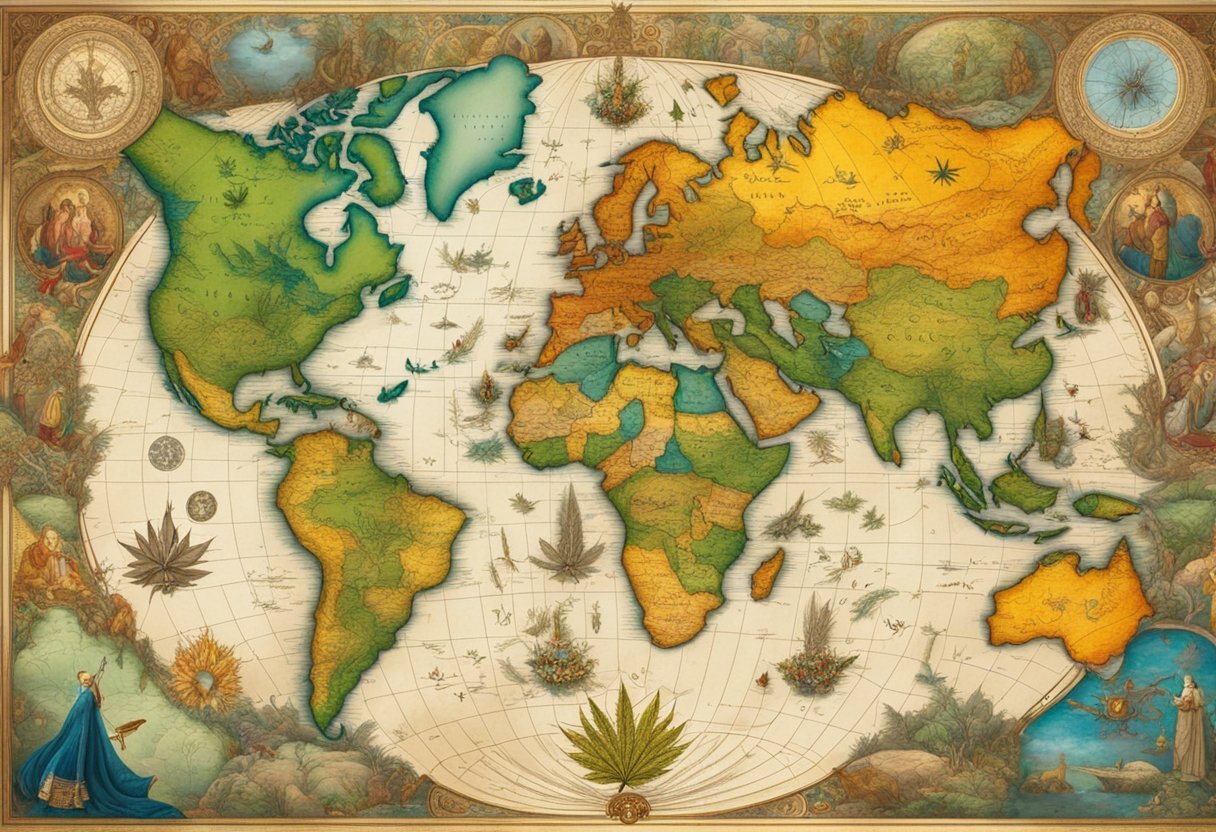
Cannabis laws vary significantly across different regions, reflecting diverse cultural attitudes and policy approaches. Legal frameworks range from full prohibition to regulated markets, with many nations exploring innovative models for controlled distribution.
Comparative Analysis of International Laws
Canada and Uruguay stand as pioneers in nationwide cannabis legalization, with comprehensive regulatory frameworks for both medical and recreational use. In Europe, Malta became the first EU nation to legalize recreational cannabis in 2021.
The Netherlands maintains its coffeeshop system, while Germany plans to implement regulated sales by 2025. Thailand made history as the first Southeast Asian country to decriminalize cannabis in 2022.
Many countries maintain strict prohibition policies, with severe penalties for possession and distribution. Some nations like Portugal and Mexico have decriminalized personal possession while maintaining restrictions on sales.
Progression towards Full Legalization
Twenty-four U.S. states have legalized recreational cannabis as of 2025, creating a patchwork of regulations within the federal framework. Mexico’s Supreme Court has ruled prohibition unconstitutional, pushing toward nationwide regulation.
Luxembourg and Switzerland are developing limited legal markets, focusing on domestic production and distribution. New Zealand’s 2020 referendum narrowly rejected legalization but sparked ongoing reform discussions.
Several Caribbean nations have modified their laws to permit medical use and decriminalize possession. The trend shows steady movement from medical-only frameworks toward broader legal access.
Cannabis Social Clubs and Alternative Models
Spain’s cannabis social clubs operate in a legal gray area, serving as non-profit organizations for members to collectively cultivate and distribute cannabis. The model has spread to Belgium and other European countries.
Key Features of Cannabis Social Clubs:
- Member-owned cooperatives
- Non-profit structure
- Limited membership
- Controlled cultivation
Malta’s new legislation incorporates elements of the social club model while adding government oversight. These clubs provide an alternative to commercial markets, emphasizing community control and reduced commercialization.
Recreational Use of Cannabis and Legal Status
Countries worldwide have adopted diverse approaches to cannabis legislation, ranging from strict prohibition to regulated markets. The legal status varies significantly between jurisdictions, with some embracing full legalization while others maintain criminal penalties.
Decriminalization and State-Level Legalization
Several U.S. states pioneered cannabis decriminalization in the 1970s, starting with Oregon in 1973. This approach removed criminal penalties for possession of small amounts while maintaining civil fines.
As of February 2025, 24 U.S. states have legalized recreational cannabis for adults aged 21 and over. Canada became the second country to legalize recreational use nationwide in 2018, after Uruguay in 2013.
Germany joined the legal cannabis market in 2024, implementing a regulated system for personal cultivation and consumption. The Netherlands maintains its coffeeshop system, allowing regulated sales despite technical prohibition.
Transition from Decriminalization to Full Legalization
Colorado and Washington made history in 2012 as the first states to legalize recreational cannabis through voter initiatives. This created a blueprint for regulated markets.
The transition process typically involves:
- Initial decriminalization
- Medical cannabis programs
- Full recreational legalization
- Implementation of regulatory frameworks
Tax revenue from legal sales has exceeded projections in many jurisdictions. California generated $1.1 billion in cannabis tax revenue in 2024.
Federal Prohibition and Policy Reform
The U.S. federal government maintains cannabis as a Schedule I controlled substance, creating conflicts with state laws. Banking restrictions force many businesses to operate in cash.
Recent reform efforts focus on:
- SAFE Banking Act proposals
- Interstate commerce regulations
- Federal descheduling initiatives
Mexico’s Supreme Court struck down cannabis prohibition in 2021, requiring legislative action to establish a legal framework. Similar legal challenges emerge in other jurisdictions.