
Growing cannabis requires skill and attention to detail, especially when it comes to training and pruning techniques. The right approach can dramatically increase yields while promoting healthier, more robust plants.
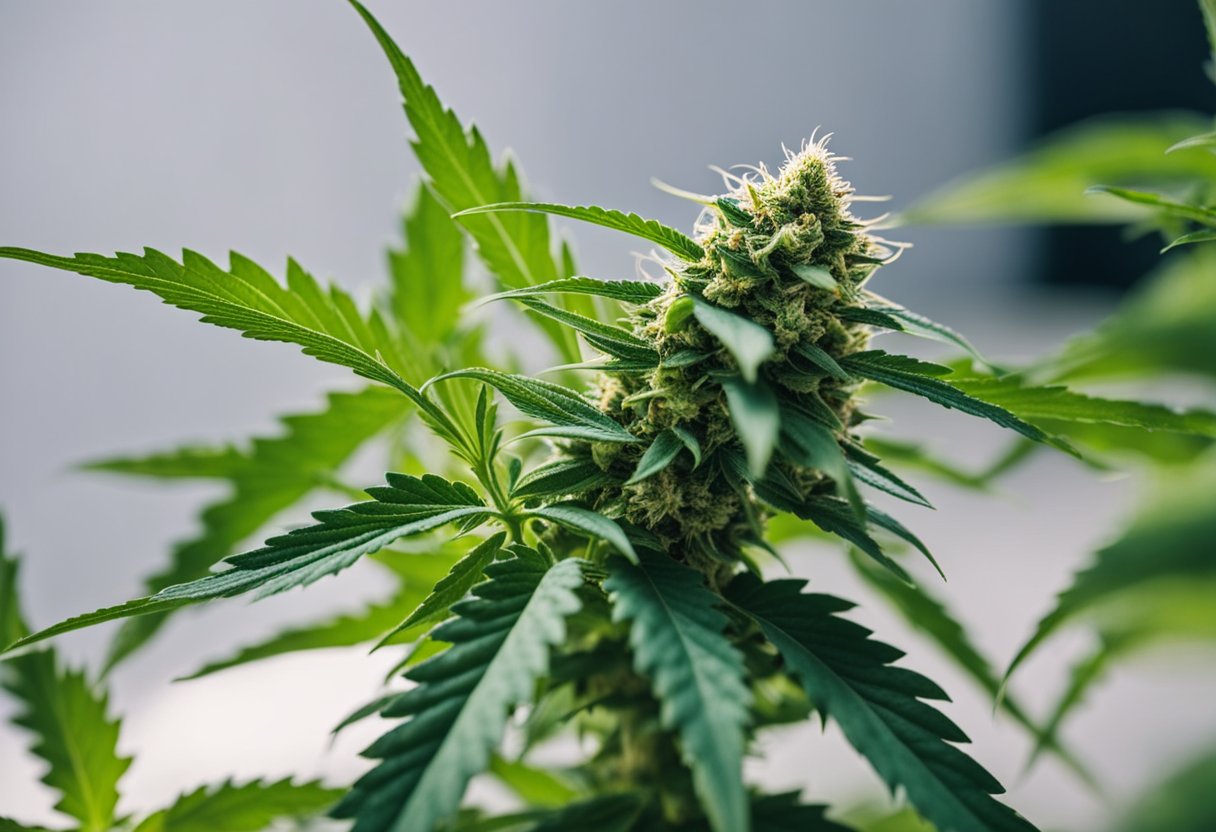
Strategic pruning and plant training methods can increase cannabis yields by 20-30% through better light penetration and development of multiple main colas. These techniques allow growers to control plant shape and size while maximizing the use of available space.
Each cannabis plant responds differently to training, making it essential to understand the fundamentals before implementing advanced techniques. From simple leaf trimming to complex manifolding methods, growers have many options to enhance their cultivation results.
Fundamentals of Pruning Cannabis for Optimal Growth
Strategic pruning techniques enhance cannabis yields through calculated leaf and branch removal, improved light distribution, and controlled growth patterns.
Understanding Plant Structure and Pruning Basics
Cannabis plants develop a main stem with nodes that produce branches and leaves. Each node represents a potential growth point for new branches and buds.
Key Plant Components:
- Main stem (central stalk)
- Nodes (branch connection points)
- Fan leaves
- Sugar leaves
- Lateral branches
Proper pruning starts with identifying the strongest branches and removing weak or unnecessary growth. Cut branches at a 45-degree angle just above the node to promote healing and prevent moisture accumulation.
The best time to begin pruning is during the vegetative stage, typically when the plant has 4-6 nodes.
The Importance of Defoliation and Light Penetration
Selective leaf removal allows light to reach lower bud sites. Remove large fan leaves that block light to developing buds and branches.
Defoliation Benefits:
- Enhanced light distribution
- Better air circulation
- Reduced humidity around buds
- Improved energy distribution
Start with removing 20-25% of the larger fan leaves, focusing on those that shade potential bud sites. Monitor plant response before additional defoliation.
Balancing Plant Health and Pruning Techniques
Plants need recovery time between pruning sessions. Wait 3-5 days between major pruning events to minimize stress.
Signs of Healthy Recovery:
- New growth at cut sites
- Vibrant green leaves
- Strong stem development
- Consistent growth pattern
Keep tools clean and sharp to create clean cuts that heal quickly. Use rubbing alcohol to sterilize equipment between plants.
Reserve heavy pruning for the vegetative stage, limiting flower-stage pruning to essential maintenance only.
Advanced Training Techniques to Maximize Yield
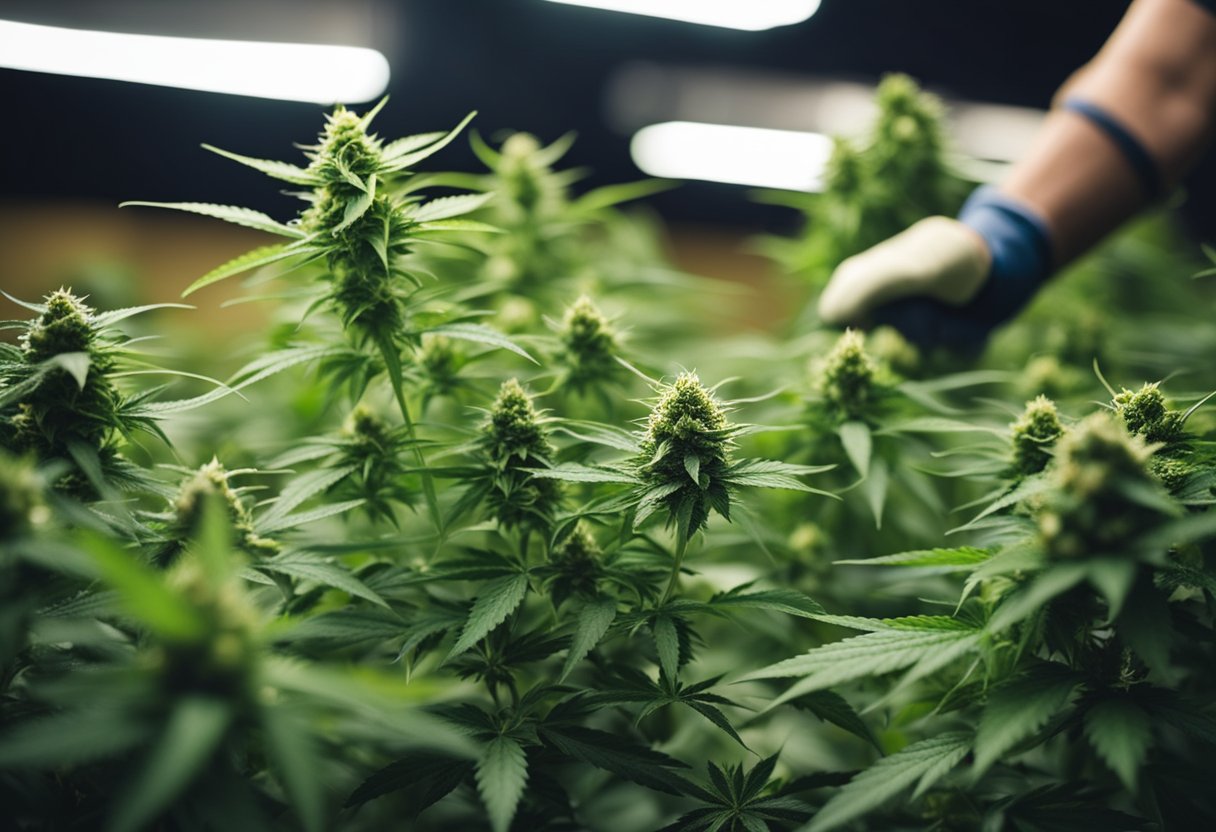
Strategic manipulation of cannabis plants through proven training methods leads to enhanced light exposure, better airflow, and significantly increased bud production across multiple sites.
Low-Stress Training (LST) and High-Stress Training (HST) Explained
LST involves gently bending and securing branches horizontally to create an even canopy. This technique allows light to reach more bud sites without causing plant damage.
HST methods deliberately stress the plant to trigger growth responses. These techniques include stem pinching and branch bending at 90-degree angles. Plants typically need 3-5 days to recover from HST.
Key Benefits of Training:
- Improved light penetration
- Better air circulation
- Enhanced nutrient distribution
- Increased bud site development
Implementing ‘Screen of Green’ (SCROG) and ‘Sea of Green’ (SOG)
SCROG utilizes a horizontal screen positioned 15-20 inches above the pots. Growers weave branches through the screen mesh as they grow, creating an even canopy of buds.
SOG focuses on growing many small plants close together. This method maximizes space efficiency by forcing early flowering in numerous plants.
Optimal Plant Spacing:
- SCROG: 1 plant per 2-4 square feet
- SOG: 4 plants per square foot
Topping, Fimming, and the Art of Super Cropping
Topping removes the main growth tip, creating two new main colas. This technique should be performed when the plant has 4-6 nodes.
Fimming involves pinching off 75% of the newest growth tip, resulting in multiple new tops. Plants typically produce 4-8 new growth tips through this method.
Super cropping requires carefully crushing the inner tissue of branches to create strong knuckles. These strengthened areas support heavier bud development while maintaining nutrient flow.
Optimizing the Vegetative and Flowering Stages
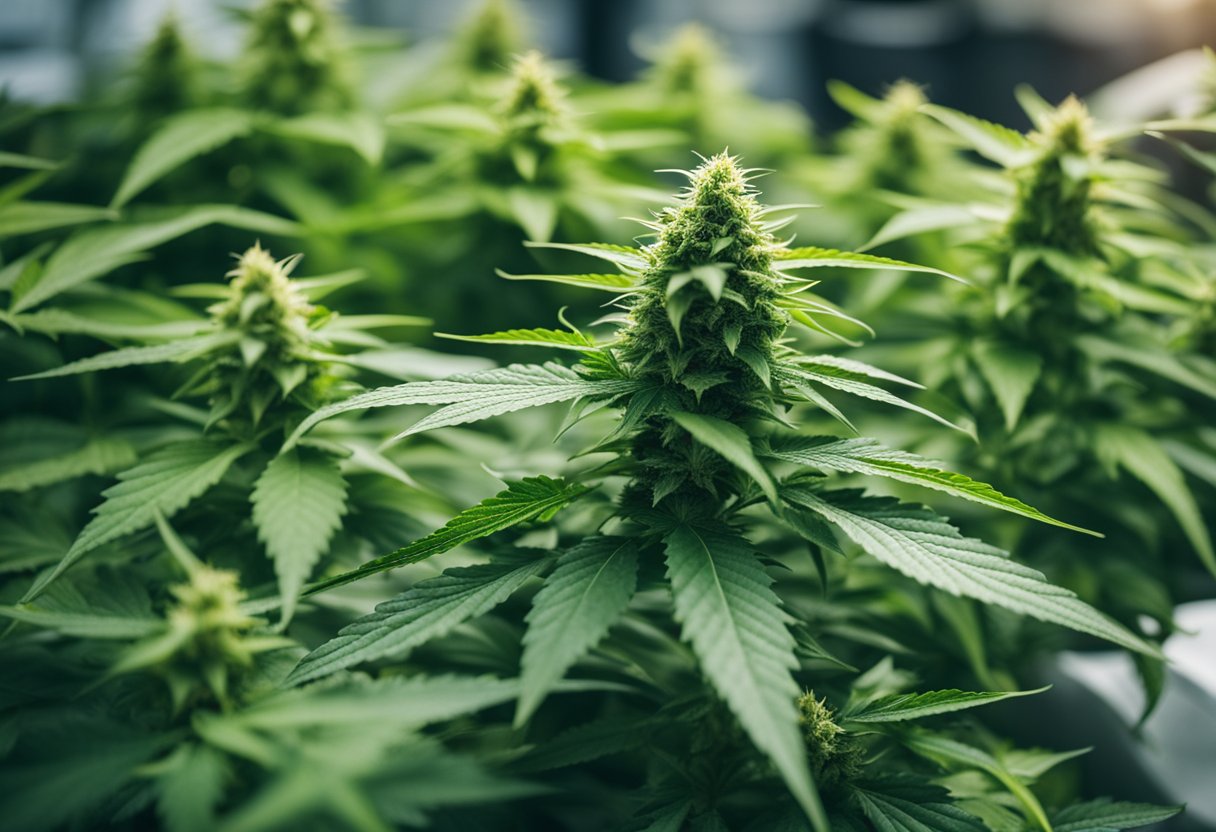
Proper timing and environmental control during each growth phase maximizes plant development and yields. Light cycles, nutrients, and training techniques work together to build strong plants that produce dense, resinous buds.
Managing the Veg Stage for a Stronger Foundation
Plants need 18-24 hours of light daily during vegetation to develop robust stems and abundant foliage. Temperature should stay between 70-85°F (21-29°C) with 40-60% humidity.
Nutrient requirements focus heavily on nitrogen during this stage. A NPK ratio of 3-1-1 promotes healthy leaf and stem growth.
Key Training Methods:
- Top plants at 3-5 nodes
- Implement LST (Low Stress Training) to create an even canopy
- Remove lower branches that won’t receive adequate light
- Maintain proper spacing between plants to optimize light penetration
Preparing for the Flowering Stage and Enhancing Bud Sites
Switch to 12 hours of light and 12 hours of darkness to trigger flowering. Reduce nitrogen while increasing phosphorus and potassium with a 1-3-2 NPK ratio.
Lower humidity to 35-45% and maintain temperatures between 65-80°F (18-27°C) to prevent mold growth.
Flowering Optimization Tips:
- Remove any yellowing leaves
- Support heavy branches with stakes or trellising
- Focus growth on the top 2-3 bud sites per branch
- Defoliate selectively to improve airflow and light exposure to bud sites
Week 2-3 of flowering is crucial for establishing bud sites. Plants typically stretch 50-100% during this period, requiring careful management of height and spacing.
Strategic Defoliation and Canopy Management
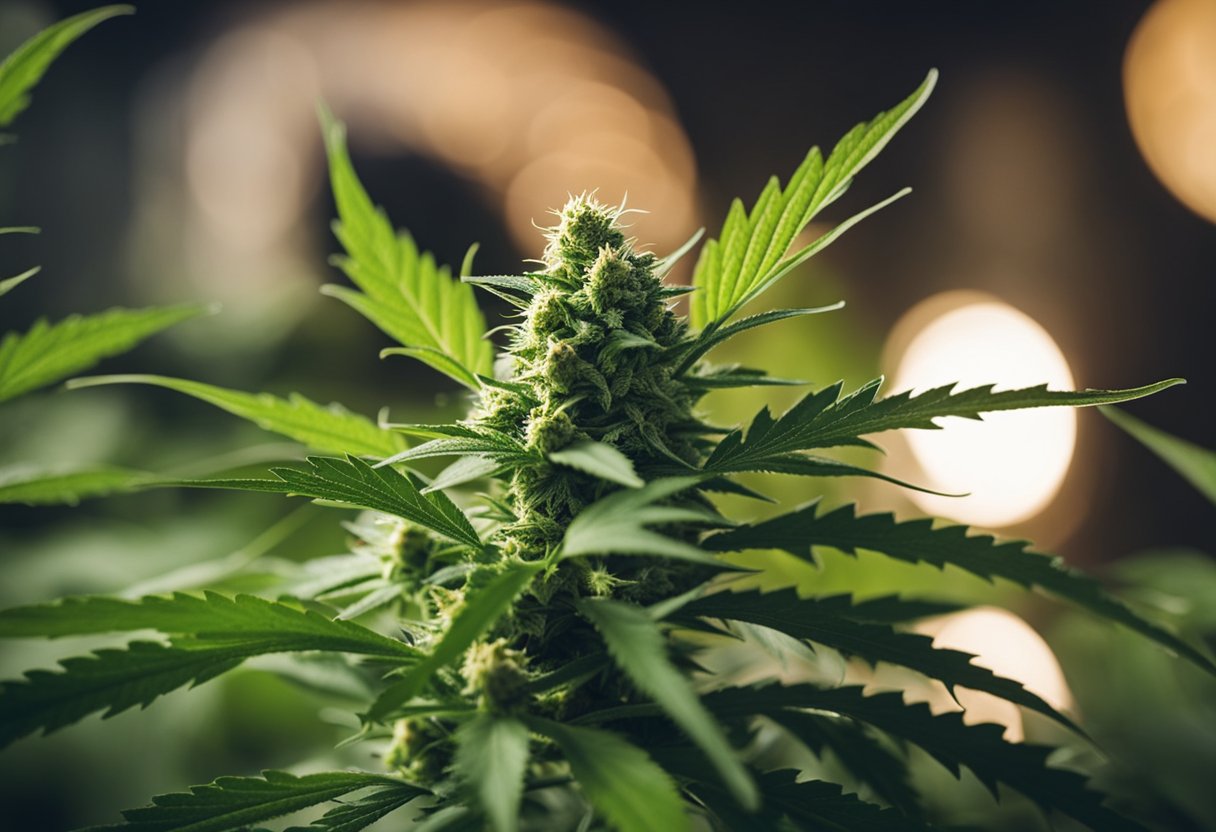
Strategic leaf removal and canopy shaping directly impact cannabis yields by optimizing light penetration and energy distribution throughout the plant. Proper techniques can increase bud sites and enhance flower development.
Creating an Even Canopy for Optimal Light Distribution
Plants naturally grow at different heights, creating an uneven canopy that reduces light efficiency. Growers should maintain plants at uniform heights through regular topping and LST (Low-Stress Training).
Remove or bend taller branches to match the height of surrounding growth. This creates a flat, even surface that maximizes light exposure to all bud sites.
Monitor the canopy weekly during vegetative growth. Adjust ties and supports as needed to maintain the desired shape.
Key height management tools:
- Plant ties
- Trellis netting
- Bamboo stakes
- Soft wire
Lollipopping and Targeted Defoliation Techniques
Lollipopping removes lower branches and foliage that receive minimal light. This redirects energy to upper bud sites where light exposure is optimal.
Strip away fan leaves that block light to developing bud sites. Focus on removing large leaves that shade other branches while keeping enough foliage for photosynthesis.
Defoliation timing:
- Early flowering: Remove 20-30% of fan leaves
- Mid flowering: Light selective leaf removal
- Late flowering: Minimal defoliation
Clear out all growth from the bottom 15-20% of each plant. This area typically produces low-quality flowers due to poor light penetration.
Ensuring Robust Airflow and Circulation
Proper air movement prevents stagnant pockets around cannabis plants and reduces the risk of mold, mildew, and pest infestations. Strategic pruning methods create optimal conditions for healthy plant development.
Pruning for Improved Airflow and Avoidance of Microclimates
Remove lower branches and excess foliage to create open spaces between plants. This allows air to flow freely through the canopy and reach all parts of the plant.
Key Areas to Focus On:
- Trim away overlapping fan leaves
- Remove dead or yellowing foliage
- Clear out dense center growth
- Space branches evenly
Maintain 6-8 inches between major branches to promote consistent airflow. Pruned plants require less energy to push air through their canopy structure.
The Role of Pruning in Air Circulation and Disease Prevention
Regular pruning helps maintain proper humidity levels by allowing moisture to evaporate efficiently. Well-spaced plants experience fewer fungal issues and develop stronger resistance to pathogens.
Watch for signs of poor air circulation:
- Leaf wetness in the morning
- Powdery residue on leaves
- Drooping or wilting foliage
- Stagnant, humid air pockets
Remove any growth that blocks air movement between plants. Focus on creating clear pathways for air to circulate throughout the growing space.
Prune during the vegetative stage to establish proper spacing before flowering begins. This reduces the need for major adjustments later in the growth cycle.