
Athletes across major sports leagues are embracing cannabis for pain management and recovery. The shifting landscape reflects growing acceptance of medical marijuana in professional athletics, particularly in contact sports like football and mixed martial arts.
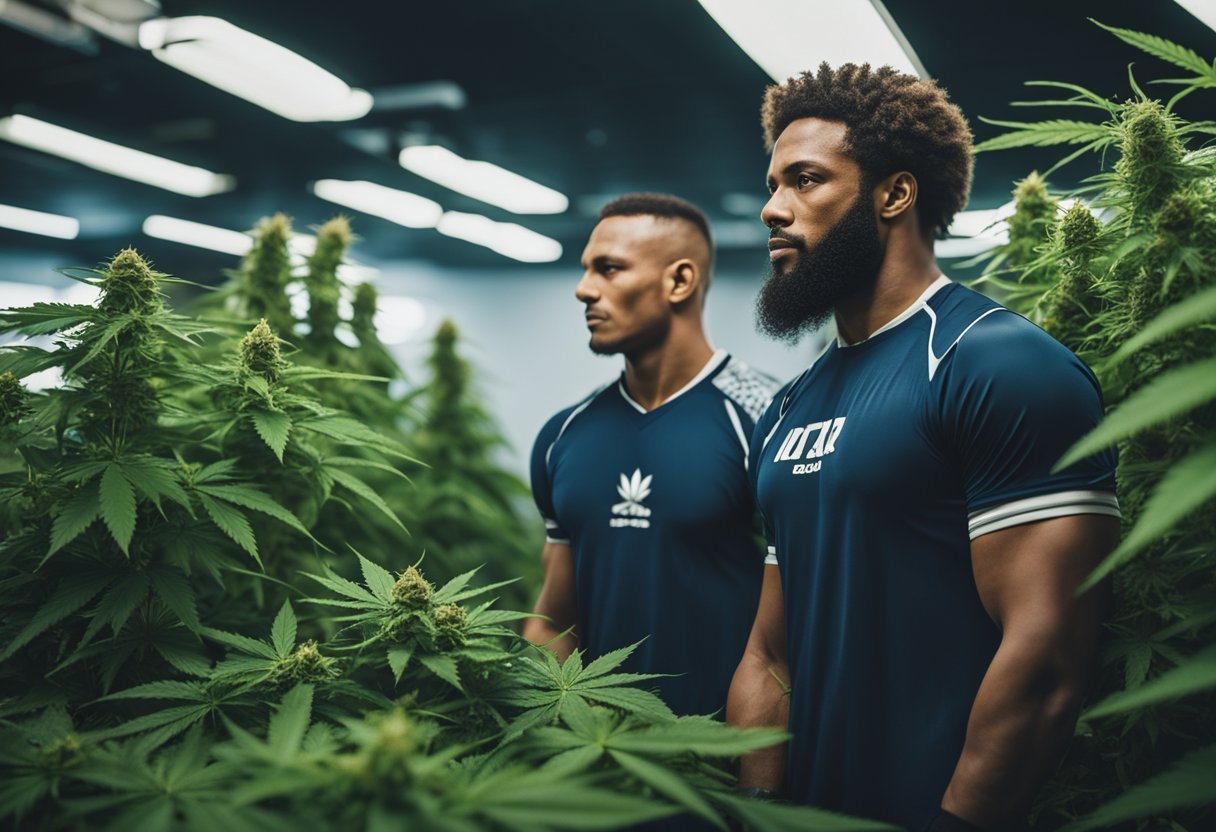
Professional sports organizations have significantly changed their stance on cannabis use, with the NFL no longer suspending players for positive marijuana tests and the UFC removing it from their prohibited substances list. These policy changes represent a broader recognition of cannabis as a potential alternative to traditional painkillers.
Medical professionals and sports medicine practitioners are studying the effects of cannabis on athletic performance, injury recovery, and long-term brain health. Former NFL players and MMA fighters have become vocal advocates for cannabis use in sports, sharing personal experiences of managing chronic pain and concussion-related symptoms.
The Intersection of Cannabis and Sports Medicine
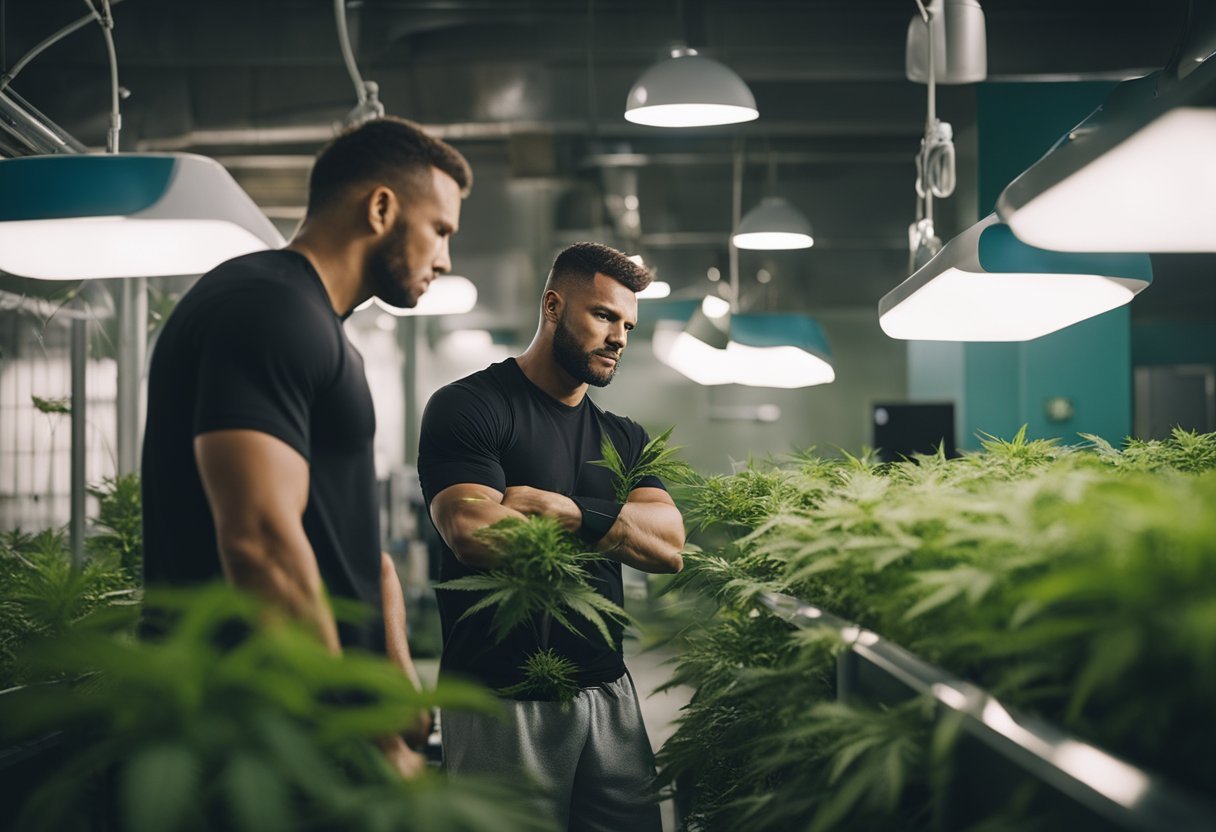
Medical cannabis has emerged as a significant treatment option in sports medicine, with research demonstrating its potential benefits for pain management and recovery in athletes.
Overview of Cannabis in Medical Science
Clinical studies have shown cannabis contains compounds that interact with the body’s endocannabinoid system to reduce inflammation and manage pain. THC and CBD, the primary active compounds, demonstrate different therapeutic effects through distinct mechanisms of action.
Research indicates CBD may help reduce muscle soreness and improve sleep quality without the psychoactive effects associated with THC. Athletes particularly benefit from these properties during intense training periods.
Medical professionals have documented cannabis’s ability to treat various sports-related conditions, including chronic pain, muscle spasms, and concussion symptoms. The scientific evidence continues to expand through controlled trials and observational studies.
Sports Medicine’s Approach to Athlete Care
Sports medicine practitioners increasingly integrate cannabis-based treatments into comprehensive care plans for athletes. Teams employ careful protocols to balance therapeutic benefits with competition regulations.
Medical staff monitor athletes using cannabis treatments through regular assessments and adjustments. Drug testing policies across major sports leagues now reflect updated understanding of medical cannabis use.
Professional teams employ specialized healthcare providers who coordinate cannabis treatments with other therapeutic interventions. These experts work within league guidelines while prioritizing athlete health and performance goals.
Recovery programs incorporate specific cannabis formulations based on individual athlete needs and injury types. Healthcare teams track outcomes through standardized metrics to optimize treatment approaches.
Cannabis Policy in Professional Sports
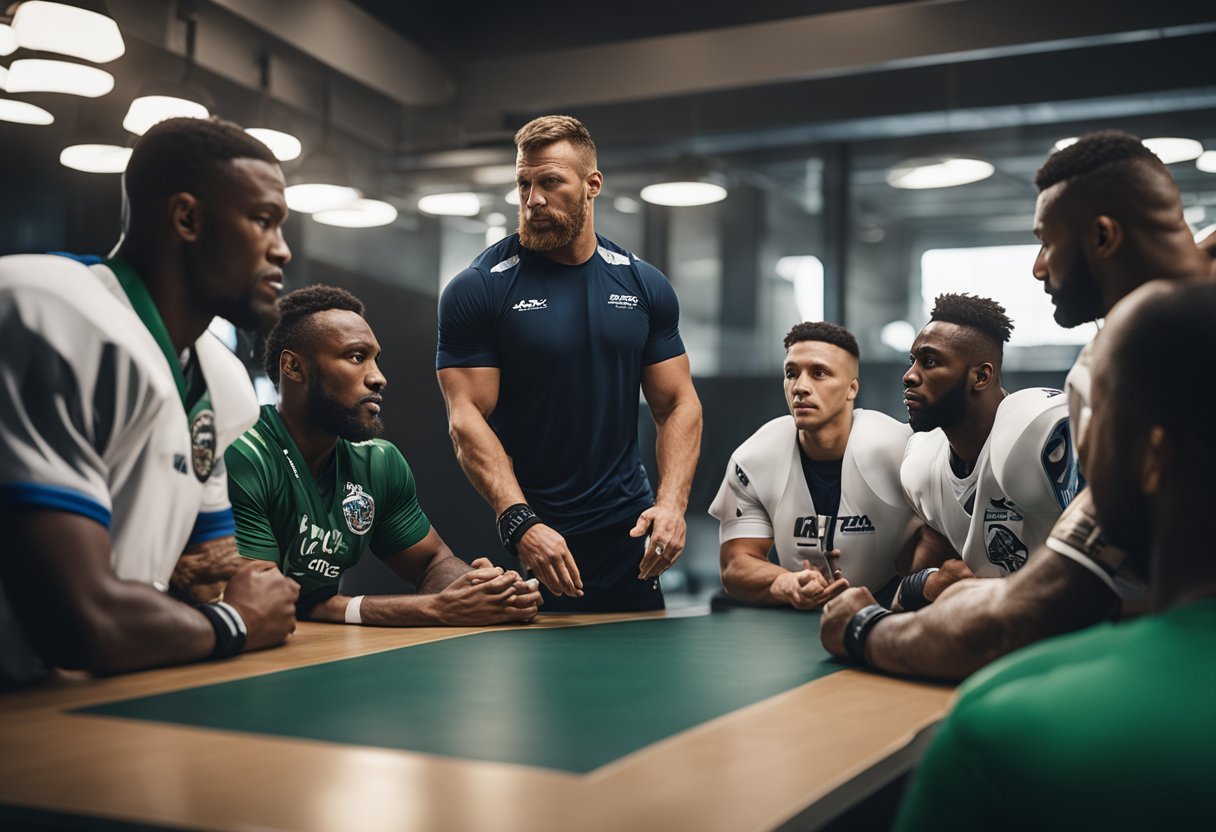
Professional sports leagues have implemented varying approaches to cannabis use among athletes, with significant policy changes occurring between 2020-2025. Many organizations now distinguish between recreational and therapeutic applications.
Evolution of Cannabis Policies in Sports
The NFL revised its cannabis policy in 2020, eliminating suspensions for positive tests and raising the THC threshold from 35 to 150 nanograms. This marked a major shift from their previous zero-tolerance stance.
The NBA suspended random testing for cannabis during the 2020 bubble season and made this change permanent in 2021. Players now face testing only with reasonable cause.
The NCAA adjusted its policies in 2022, reducing penalties for positive cannabis tests and increasing THC thresholds to match Olympic standards.
Comparative Analysis of Different Leagues
Current Cannabis Thresholds by League (2025)
- NFL: 150 ng/mL
- NBA: No random testing
- MLB: 50 ng/mL
- UFC: 150 ng/mL
The MLB removed cannabis from its list of banned substances in 2019, focusing instead on reducing opioid abuse among players.
Combat sports organizations like the UFC have aligned with state athletic commission standards, typically following WADA guidelines for in-competition testing.
The Role of Policymakers and Anti-Doping Agencies
The World Anti-Doping Agency maintains cannabis on its prohibited list for in-competition periods, with a threshold of 150 ng/mL of THC.
National anti-doping organizations must comply with WADA standards while accommodating local laws and therapeutic use exemptions.
State athletic commissions hold significant influence over combat sports policies, creating a complex regulatory framework across different jurisdictions.
Professional leagues’ medical advisory boards now actively participate in cannabis policy development, focusing on athlete health and performance impacts.
Therapeutic Use of Cannabis in Athlete Recovery
Athletes across professional sports increasingly turn to cannabis-based treatments for recovery and rehabilitation. Scientific studies demonstrate specific benefits of cannabinoids in managing sports-related injuries and conditions.
Pain Management and Relief Strategies
CBD and THC work together through the endocannabinoid system to reduce inflammation and manage chronic pain. Athletes report significant relief from muscle soreness and joint pain with targeted cannabis treatments.
Professional athletes use cannabis-based topicals directly on affected areas for localized pain relief. These applications help reduce dependence on conventional painkillers.
Studies show that CBD reduces inflammation markers in muscle tissue after intense training sessions. The anti-inflammatory properties aid in faster recovery between workouts and competitions.
Cannabis in Concussion Protection and Recovery
Research indicates that CBD’s neuroprotective properties may help shield brain cells from damage during impact sports. THC and CBD combined show promise in reducing brain inflammation after concussive events.
Athletes experiencing post-concussion symptoms report improvements in headache intensity and frequency with controlled cannabis use. The compounds help regulate sleep patterns crucial for brain recovery.
Medical professionals note reduced recovery time for athletes using cannabis-based protocols after head injuries. The treatment supports the brain’s natural healing mechanisms.
The Impact on Post-Traumatic Stress Disorder
Combat sports athletes frequently use cannabis to manage PTSD symptoms from high-intensity competition environments. CBD reduces anxiety levels and helps regulate stress responses.
THC assists in processing traumatic memories associated with sports injuries or career-ending events. Athletes report improved sleep quality and reduced nightmares.
Professional fighters incorporate cannabis into their mental health routines under medical supervision. The treatment helps maintain emotional balance during training camps and post-fight recovery periods.
Cannabis in Athletic Performance and Wellness
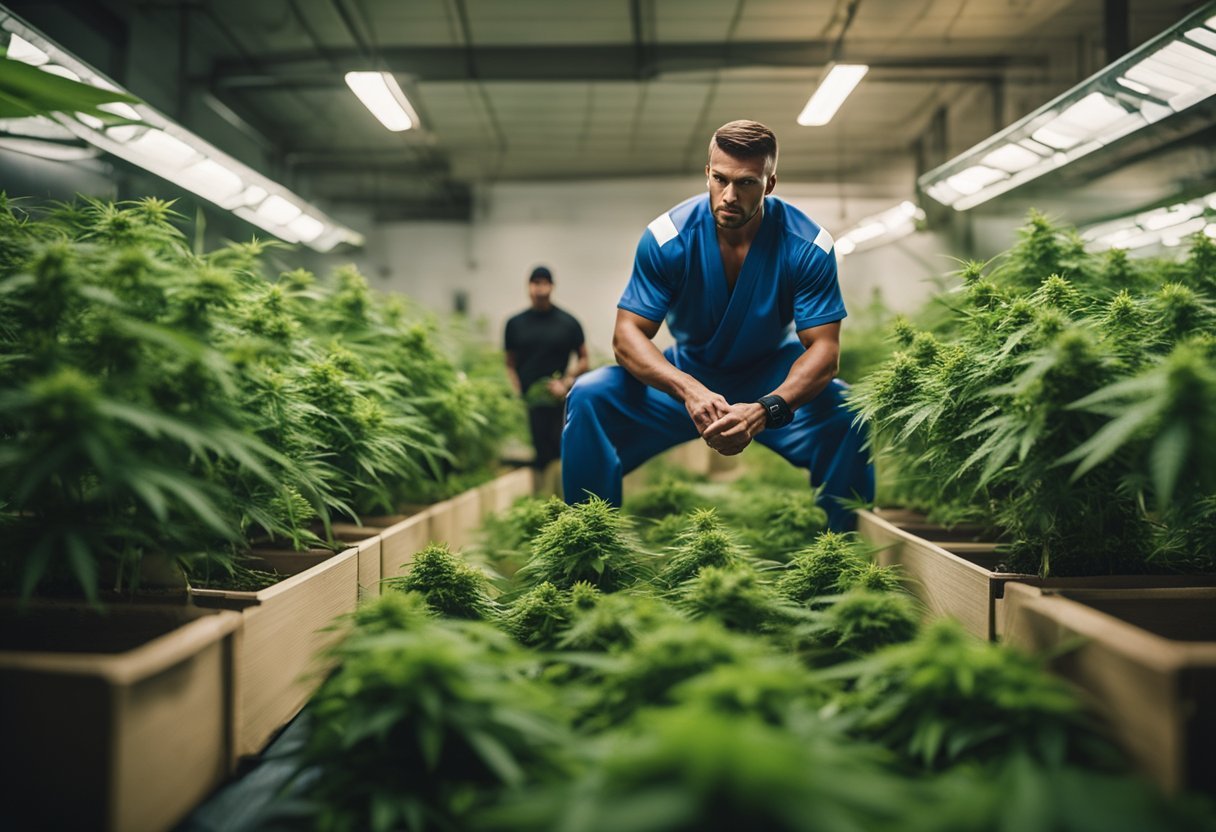
Athletes across professional sports increasingly turn to cannabis products for pain management, recovery, and overall wellness support. Medical research demonstrates potential benefits while public perception continues to evolve.
Cannabis Products Used by Athletes
CBD oils and topicals rank among the most popular cannabis products used by professional athletes. These products help manage inflammation and aid muscle recovery between training sessions.
THC-containing products serve different purposes, with some athletes reporting improved sleep quality and reduced anxiety before competitions.
Many athletes opt for specialized formulations that combine CBD with other natural compounds like curcumin or glucosamine for enhanced therapeutic effects.
Stigma and Public Perception
Professional leagues have shifted their stance on cannabis use. The NFL no longer suspends players for positive marijuana tests, while the NBA has stopped random testing for cannabis altogether.
Athletes like Nate Diaz and Eugene Monroe openly advocate for cannabis use in sports, helping normalize its acceptance.
Sports medicine professionals increasingly recognize cannabis as a legitimate treatment option, though some teams and organizations maintain strict policies against its use.
Focus on Wellness and Healthcare
Sports medicine practitioners report positive outcomes when incorporating cannabis products into athlete treatment plans. Many cite reduced reliance on conventional painkillers.
Medical professionals emphasize proper dosing and product selection based on individual athlete needs and competition requirements.
CBD-based recovery programs have gained traction in professional training facilities, with dedicated wellness centers offering cannabis-integrated treatments.
Licensed healthcare providers now develop specialized protocols for athletes, focusing on both performance enhancement and long-term health maintenance.
Research and Considerations for the Future
Medical cannabis research in professional sports shows promising trends in pain management and recovery, while regulatory frameworks continue to adapt to new scientific findings.
Ongoing and Future Cannabinoid Research
Scientists are examining CBD’s potential in treating sports-related concussions and chronic traumatic encephalopathy (CTE). The NFL has committed $1 million to fund studies on cannabinoids for pain management in elite athletes.
Research teams at major universities focus on the anti-inflammatory properties of specific cannabis compounds. Initial results indicate possible benefits for muscle recovery and joint health.
Clinical trials exploring the effectiveness of CBD in managing sport-related anxiety and sleep disorders have shown positive preliminary results. These studies specifically target the unique needs of high-performance athletes.
Regulations and the Evolution of Research
The World Anti-Doping Agency (WADA) modified its cannabis testing thresholds in 2022, allowing athletes more flexibility during training periods. The NBA and MLB have implemented progressive policies that distinguish between performance-enhancing drugs and cannabis use.
Several sports medicine facilities have established dedicated cannabis research departments. These centers follow strict protocols while investigating the impact of various cannabinoids on athletic performance and recovery.
Federal regulations continue to affect research scope and funding availability. Many institutions now receive private sector support to advance their cannabis-related studies.
Professional Athletes and Recreational Cannabis Use
Former NFL players report a 65% decrease in opioid use when incorporating cannabis into their pain management routines. This data comes from a 2024 survey of retired professional athletes.
Key demographics using cannabis for recovery:
- Retired contact sport athletes
- MMA fighters
- Professional runners
- NBA veterans
State-level legalization has enabled more athletes to openly discuss their cannabis use. Many advocate for evidence-based policies that recognize both medical and recreational applications.
Sports leagues have begun implementing educational programs about responsible cannabis use. These initiatives focus on dosage, timing, and potential impacts on performance.