
Many small cannabis growers dream of expanding their operations into commercial production. The transition requires careful planning, substantial capital investment, and a deep understanding of regulatory requirements. Successful scaling from a small grow operation to a commercial cannabis facility typically requires $500,000 to $2 million in startup capital, along with proper licensing and compliance measures.
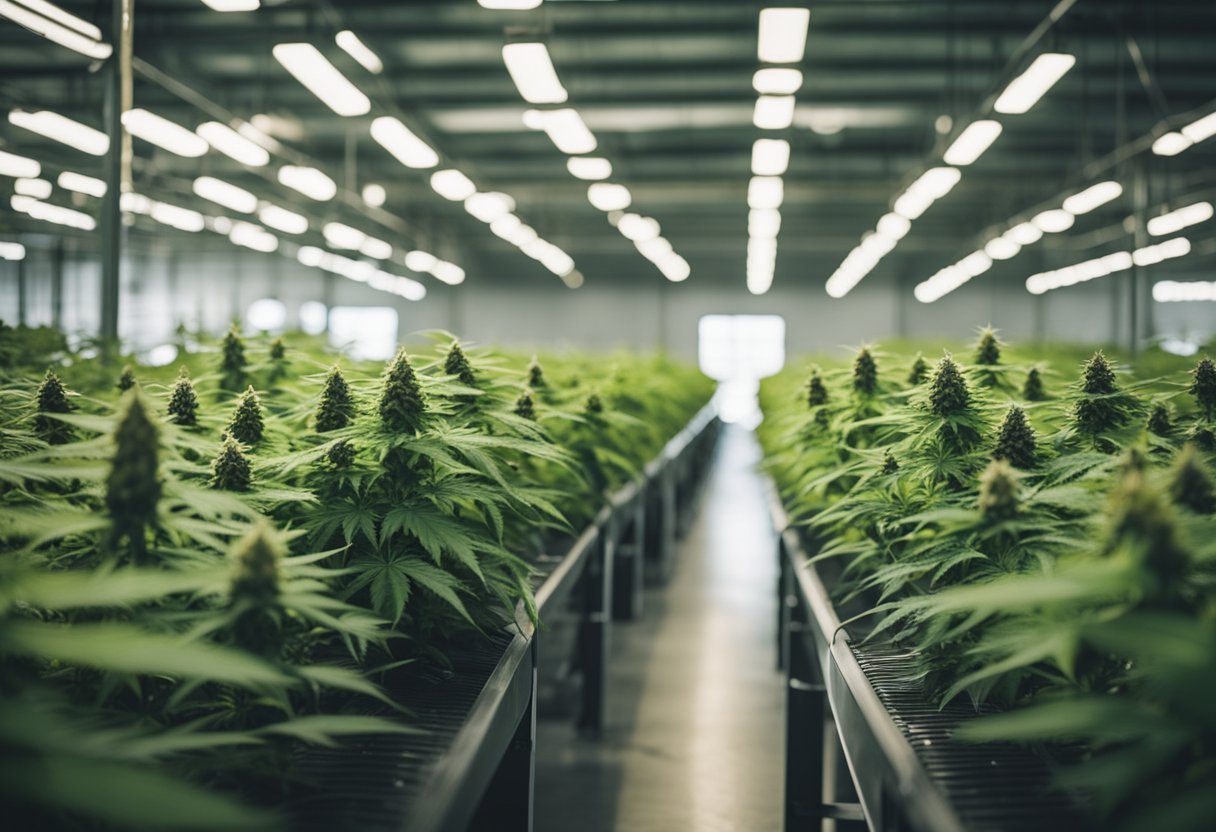
The increasing legalization of cannabis across multiple states has created opportunities for growers to enter the commercial market. Small-scale cultivators can leverage their existing knowledge while adapting to larger, more complex operations.
Professional cannabis production demands strict adherence to quality control standards, efficient resource management, and advanced cultivation techniques. Growers must focus on maintaining consistent product quality while increasing their production volume to meet market demands.
Steps for Scaling Your Cannabis Cultivation Business

Growing a cannabis cultivation business requires systematic expansion of facilities, precise optimization of growing techniques, and careful management of increased production capacity. Smart scaling focuses on maintaining quality while increasing yield through proven methods.
Exploring Different Cultivation Techniques
Indoor hydroponic systems offer precise control over growing conditions and can maximize space efficiency in commercial settings. These systems typically yield 20-30% more per square foot than traditional soil methods.
Automated nutrient delivery systems reduce labor costs and maintain consistent feeding schedules across larger cultivation areas. Many commercial growers implement rotating crop cycles to ensure continuous harvest periods.
Advanced lighting systems with customizable spectrums support both vegetative and flowering stages. LED technology reduces energy costs by up to 40% compared to traditional HPS lighting.
Expanding Production Capacity
Start with a detailed capacity analysis to identify current bottlenecks and growth opportunities. This should include space utilization, labor requirements, and processing capabilities.
Create a phased expansion plan that aligns with market demand and available resources. Each phase should increase production by 25-50% while maintaining proper plant care standards.
Implement inventory management systems to track plants from seed to sale. Key tracking metrics include:
- Growth stage progression
- Nutrient schedules
- Harvest yields
- Quality control data
Scaling Up Cultivation Facilities
Secure necessary cannabis cultivation licenses before facility expansion. Requirements vary by jurisdiction but typically include security measures and quality control protocols.
Design cultivation rooms with proper environmental controls, including:
- Temperature regulation (68-77°F)
- Humidity management (40-60%)
- Air filtration systems
- CO2 enrichment capabilities
Install automated climate control systems to maintain consistent growing conditions across multiple rooms. Modern systems can manage up to 100,000 square feet of growing space from a single control point.
Develop standardized operating procedures for each cultivation stage. This ensures quality remains consistent as production volumes increase.
Business Acumen for Commercial Cannabis Grow
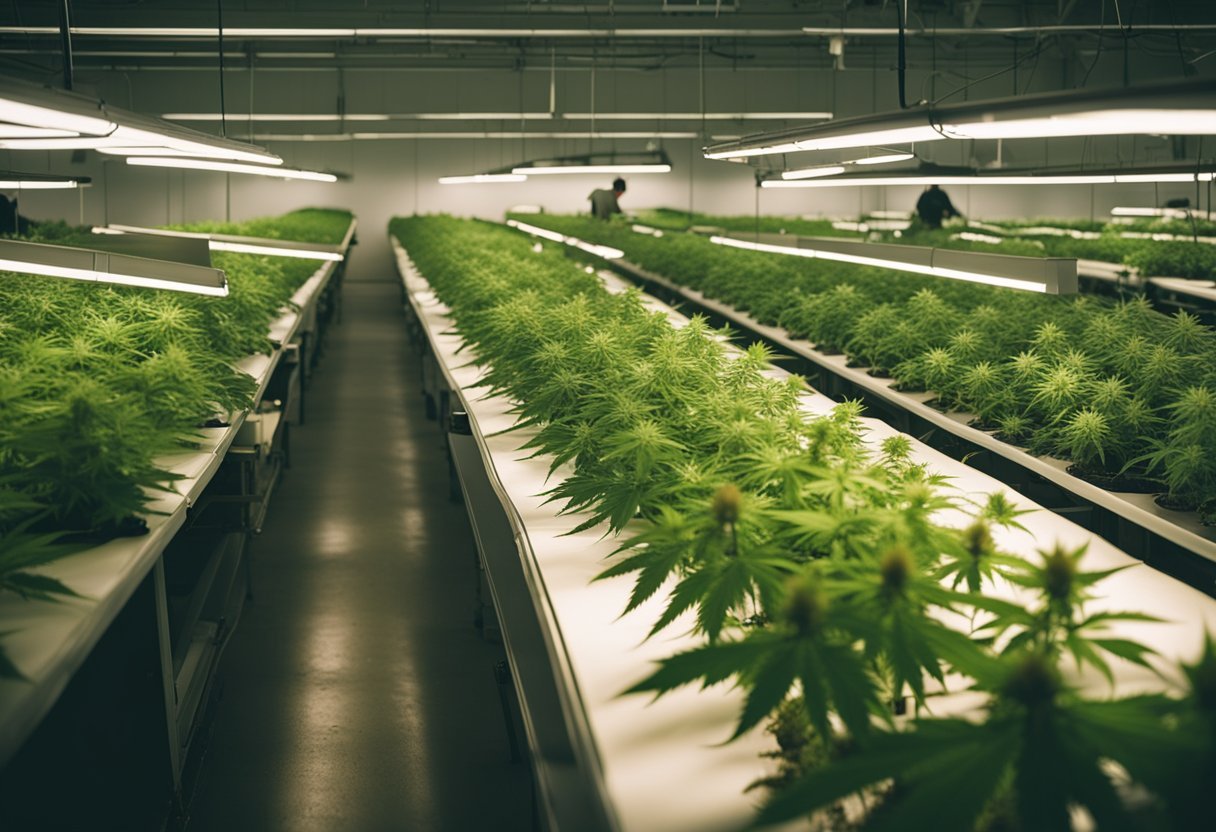
Successful commercial cannabis cultivation requires strong business fundamentals and strategic planning beyond growing expertise. A comprehensive understanding of business operations, financing, and regulatory compliance forms the foundation for scaling up effectively.
Developing a Robust Business Plan
A detailed business plan serves as the roadmap for commercial cannabis cultivation success. The plan must include specific revenue projections, operating costs, and market analysis.
Key components to include:
- Facility specifications and build-out costs
- Equipment and technology requirements
- Staffing plans with detailed roles and responsibilities
- Production schedules and yield projections
- Marketing and distribution strategies
Financial projections should span 3-5 years, incorporating both fixed and variable costs. Growth targets must align with market demand and facility capacity.
Understanding Financing Options and Financial Planning
Cannabis businesses face unique challenges in securing traditional financing due to federal regulations. Alternative funding sources often become essential for growth.
Common financing options include:
- Private investors and angel funding
- Cannabis-focused investment firms
- Equipment financing
- Real estate loans for facilities
- Revenue-based financing
Working capital requirements deserve careful consideration. Growers need funds for:
- Daily operations
- Equipment maintenance
- Inventory management
- Emergency reserves
Navigating Compliance and Legal Requirements
State and local regulations govern every aspect of commercial cannabis cultivation. Strict adherence to compliance requirements protects the business license and ensures sustainable operations.
Essential compliance areas include:
- Security systems and protocols
- Track-and-trace inventory management
- Employee background checks
- Environmental impact regulations
- Quality control testing
Regular compliance audits help identify potential issues before they become problems. Documentation of all processes and procedures supports regulatory inspections.
Professional legal counsel specializing in cannabis regulations provides valuable guidance through complex requirements.
Cannabis Operations Management
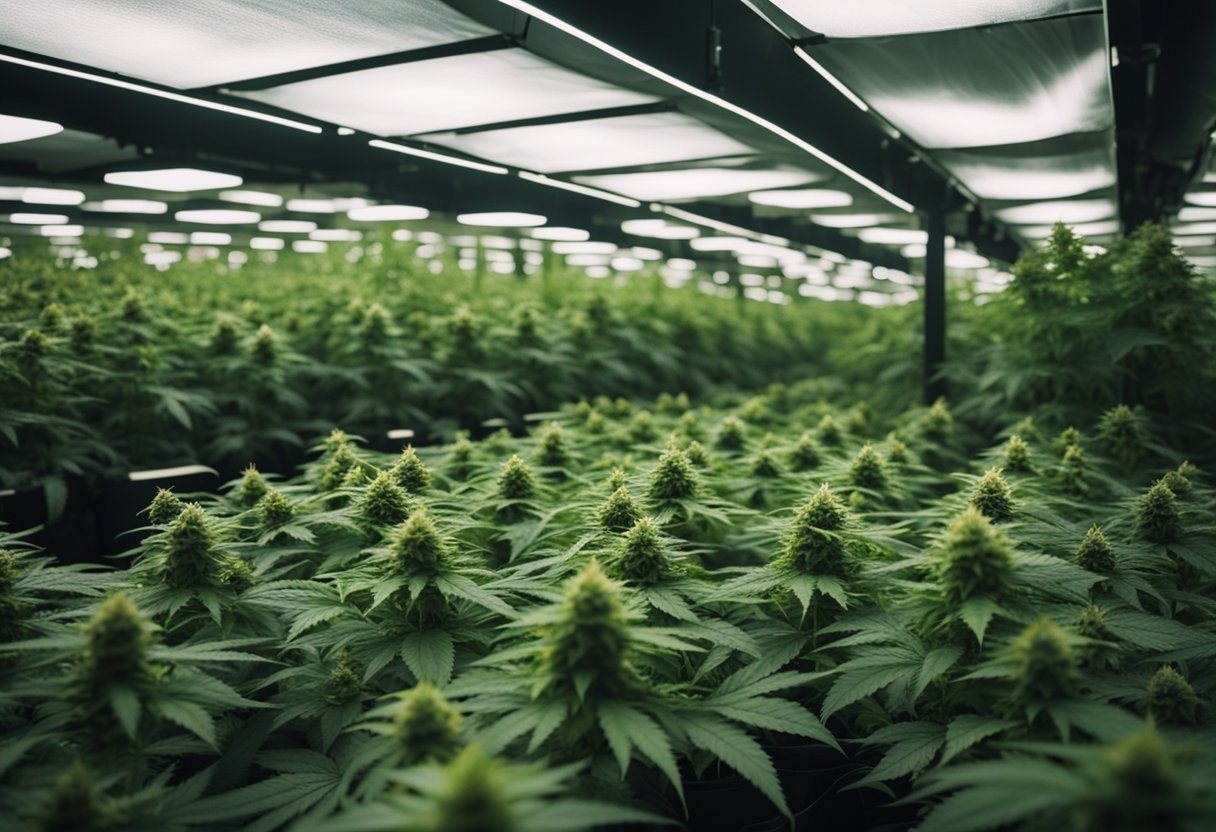
Efficient commercial cannabis production requires sophisticated systems, standardized processes, and careful attention to environmental controls. Professional operations leverage automation and technology while maintaining strict quality standards.
Investing in Quality Lighting and Climate Control Systems
LED lighting systems provide precise spectral control and reduce energy costs by up to 40% compared to traditional HPS lights. Professional growers install tiered lighting arrangements with adjustable heights and intensities for different growth stages.
Temperature and humidity control systems must maintain consistent conditions within ±2°F and ±5% relative humidity. Commercial HVAC systems need redundant backup units to prevent crop loss.
Smart environmental controllers monitor and adjust multiple parameters:
- Temperature
- Humidity
- CO2 levels
- Air circulation
- Light intensity
Implementing Efficient Irrigation and Nutrient Delivery
Automated drip irrigation systems deliver precise amounts of water and nutrients to each plant. Scheduling software optimizes watering cycles based on plant size, growth stage, and environmental conditions.
Nutrient mixing stations connect directly to irrigation lines for consistent feeding. Digital meters monitor:
- pH levels
- EC/PPM
- Water temperature
- Flow rates
Water recirculation systems reduce waste by up to 90% while preventing nutrient runoff. Reverse osmosis filtration ensures clean water supply.
Embracing Automation and Technology for Standard Operating Procedures
Digital tracking systems monitor every plant from clone to harvest. Barcodes or RFID tags enable complete chain of custody documentation.
Automated climate controls adjust based on predetermined parameters without human intervention. Data logging provides detailed records for compliance and optimization.
Mobile apps allow remote monitoring and control of facility systems. Cloud-based software manages:
- Inventory
- Workflows
- Maintenance schedules
- Employee tasks
Incorporating Good Manufacturing Practices
Clean room protocols prevent contamination during processing. Workers follow strict sanitation procedures and wear appropriate PPE.
Quality control testing occurs at multiple stages:
- Raw materials inspection
- In-process testing
- Final product analysis
- Environmental monitoring
Documentation systems track all production activities and maintain detailed batch records. Regular third-party audits verify compliance with GMP standards.
Designated areas separate different activities to prevent cross-contamination. Air handling systems maintain proper pressure differentials between rooms.
Maximizing Profitability in the Cannabis Industry

Strategic financial management and data-driven decision making create the foundation for sustainable profits in commercial cannabis operations. Precise cost controls, targeted market positioning, and performance tracking form essential pillars for growth.
Effective Cost Management and ROI Analysis
Commercial cannabis operations must track every expense meticulously. A detailed cost accounting system enables accurate ROI calculations for each cultivation cycle.
Labor costs typically represent 30-45% of operational expenses. Implementing automated systems for irrigation, climate control, and harvesting can reduce these costs by 20-30%.
Energy efficiency improvements in lighting and HVAC systems provide significant savings. LED lighting systems often pay for themselves within 12-18 months through reduced electricity consumption.
Key Areas for Cost Optimization:
- Nutrient and growing medium expenses
- Water usage and treatment
- Packaging and compliance materials
- Equipment maintenance schedules
- Waste reduction programs
Marketing and Expansion into Medical and Recreational Markets
Market research guides product development and pricing strategies. Consumer demographics and preferences vary significantly between medical and recreational segments.
Medical cannabis markets often require specialized strains and consistent cannabinoid profiles. Building relationships with healthcare providers can create stable revenue streams.
Target Market Considerations:
- Local regulatory requirements
- Competition analysis
- Product differentiation
- Distribution channels
- Brand positioning
Assessing and Monitoring Key Performance Indicators
Regular monitoring of KPIs enables quick responses to operational challenges and market changes. Yield per square foot remains a critical metric for cultivation efficiency.
Essential Cannabis KPIs:
- Cultivation cycle time
- Cannabinoid potency levels
- Product testing pass rates
- Inventory turnover rates
- Customer acquisition costs
Digital tracking systems provide real-time data on plant health, environmental conditions, and production schedules. This information helps optimize growing conditions and predict harvest timing.
Ensuring Product Quality and Plant Health
Maintaining high-quality cannabis production requires strict attention to plant health, pest management, and proper harvesting techniques. Implementing rigorous quality control measures across all stages of production leads to consistent, premium-grade products.
Optimizing Plant Health During Grow Cycles
Proper nutrient management forms the foundation of healthy cannabis plants. Each growth stage requires specific NPK ratios and micronutrients for optimal development.
Temperature should be maintained between 70-85°F during the day and 58-70°F at night, with relative humidity ranging from 40-60% depending on growth stage.
Key Growing Parameters:
- Light: 18-24 hours vegetative, 12 hours flowering
- pH levels: 5.8-6.2 for hydroponic, 6.0-6.8 for soil
- EC/PPM: 500-1000 vegetative, 1000-1500 flowering
Regular leaf tissue analysis helps detect nutrient deficiencies before visible symptoms appear. This proactive approach prevents yield loss and quality issues.
Effective Pest and Disease Management
Integrated Pest Management (IPM) combines multiple control strategies to minimize pest damage while reducing pesticide use.
Prevention Measures:
- Daily plant inspection
- Clean room protocols
- Air filtration systems
- Quarantine procedures for new plants
Beneficial insects like predatory mites and nematodes provide natural pest control. These biological controls work especially well against spider mites and thrips.
Environmental controls help prevent powdery mildew and botrytis. Proper air circulation and dehumidification significantly reduce disease pressure.
Best Practices for Harvesting and Post-Harvest Processes
Harvest timing significantly impacts cannabinoid profiles. Trichome color observation helps determine optimal harvest windows.
Post-Harvest Checklist:
- Trim at 60-65°F with 60% humidity
- Dry slowly at 60°F and 55-60% humidity
- Cure in airtight containers for 2-8 weeks
- Monitor moisture content daily
Professional trimming machines increase efficiency while maintaining quality. Hand-trimming final products ensures premium appearance for top-shelf offerings.
Climate-controlled drying rooms with HEPA filtration prevent contamination. Regular testing of dried material confirms proper moisture levels and detects potential microbial issues.
Workforce Development and Employee Management
Successful commercial cannabis operations require a skilled and reliable workforce. Hiring experienced cultivators, trimmers, and management staff becomes essential when scaling up production.
Implementing standardized training programs ensures consistent quality across operations. New employees should receive comprehensive training in cultivation techniques, safety protocols, and compliance requirements.
Clear organizational structures help maintain efficiency in larger operations. Department heads for cultivation, processing, and maintenance enable better oversight and accountability.
Key Employee Roles:
- Master Growers
- Assistant Cultivators
- Harvest Teams
- Trimming Specialists
- Compliance Officers
- Facility Maintenance Staff
Documentation and standard operating procedures create a foundation for workforce management. Written protocols help maintain consistency when training new staff and managing daily operations.
Regular performance evaluations and feedback sessions support employee development. Creating advancement opportunities within the organization helps retain skilled workers and builds institutional knowledge.
Compliance with labor laws and workplace safety regulations requires dedicated attention. Cannabis producers must maintain proper employment records, enforce safety protocols, and provide required worker protections.
Competitive compensation packages attract and retain qualified personnel. Benefits, growth opportunities, and a positive work environment contribute to workforce stability.
Professional development programs keep staff current with industry best practices. Regular training sessions on new technologies and cultivation methods support operational excellence.