
Cannabis tasting parties have emerged as sophisticated social gatherings where enthusiasts can explore different strains and share experiences in a controlled, comfortable setting. A well-planned cannabis tasting party combines carefully selected strains, thoughtful food pairings, and appropriate dosing guidelines to create an engaging and responsible environment for guests to sample and compare various products.
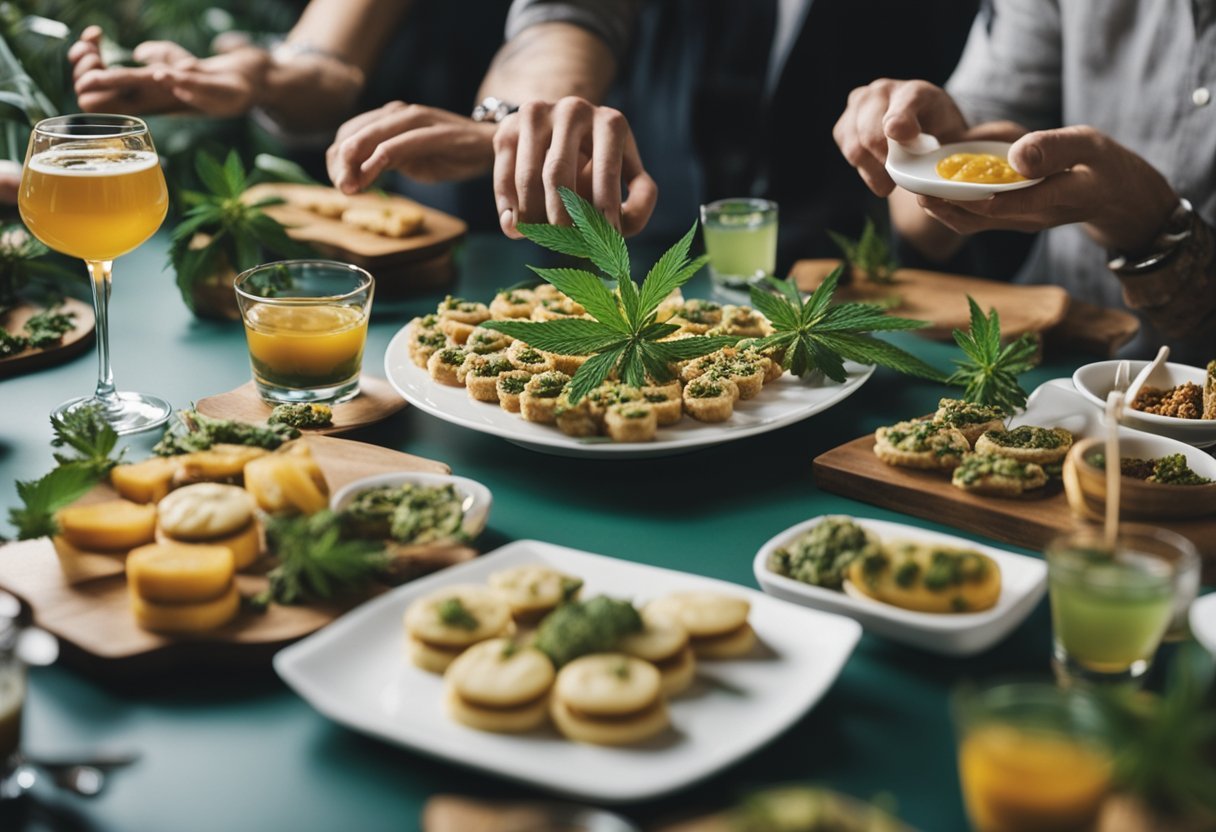
Creating the right ambiance involves setting up dedicated tasting stations, providing proper ventilation, and arranging comfortable seating areas that encourage conversation. Small groups of 6-8 guests work best for these intimate gatherings, allowing everyone to participate in discussions about flavor profiles, effects, and preferences.
The key to a successful cannabis tasting event lies in the preparation. Hosts should provide tasting notes cards, palate cleansers, and water stations throughout the space. Clear labeling of strains and THC content helps guests make informed choices, while carefully curated music and lighting set the perfect mood for exploration.
Planning Your Cannabis Tasting Party
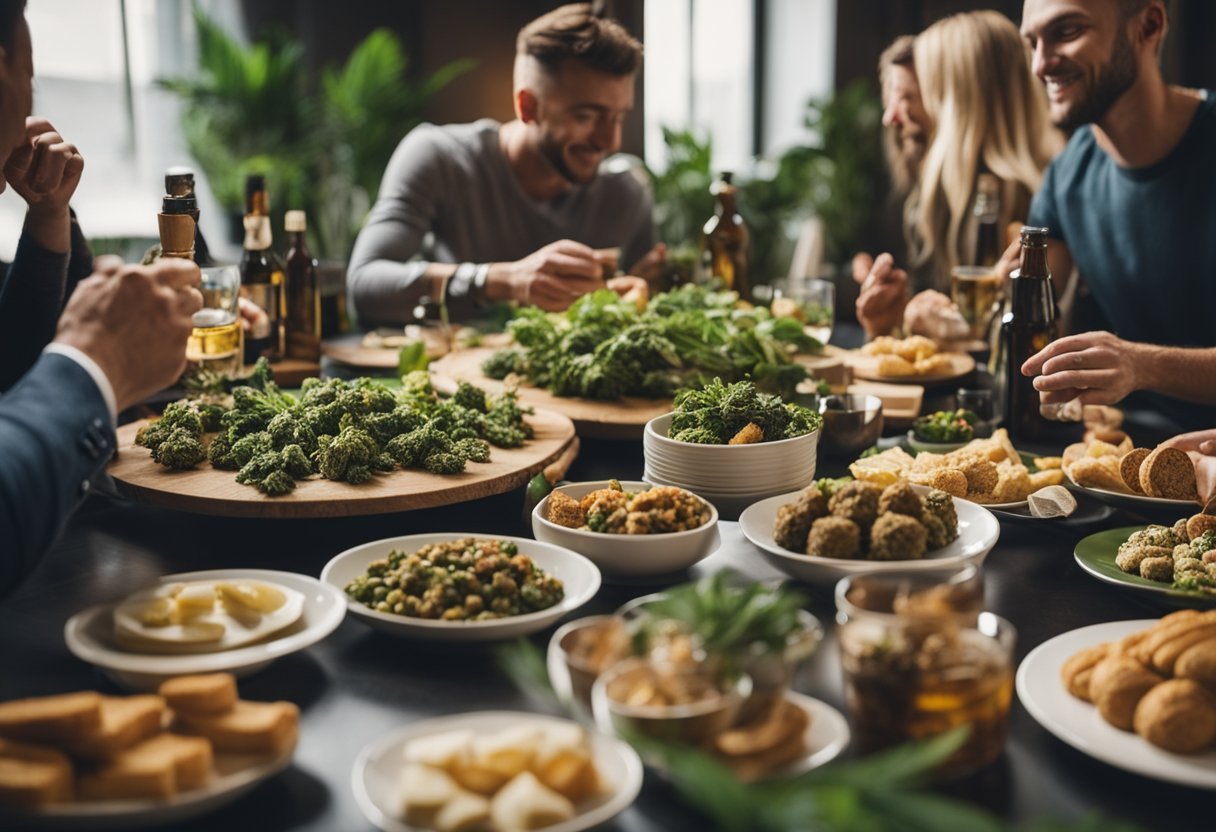
A successful cannabis tasting party requires careful strain selection, thoughtful atmosphere creation, and clear guidelines for guest safety. Proper planning ensures an educational and enjoyable experience for all participants.
Choosing the Right Strains
Select 4-6 distinct cannabis strains to showcase variety in effects and flavors. Include a mix of sativas, indicas, and hybrids to demonstrate the spectrum of experiences.
Create a progression from lighter to more potent strains. Start with balanced hybrids before moving to more specialized varieties.
Consider terpene profiles when selecting strains. Pine-forward strains can cleanse the palate between tastings.
Recommended Strain Categories:
- 1-2 balanced hybrids
- 1 uplifting sativa
- 1 relaxing indica
- 1-2 unique specialty strains
Setting the Mood with Ambiance and Music
Set up comfortable seating areas that encourage conversation and relaxation. Provide cushions, throws, and adequate lighting options.
Create a curated playlist with mid-tempo instrumental music at a moderate volume. Avoid songs that might overwhelm conversation.
Control temperature and ventilation. Ensure proper air circulation while maintaining comfort.
Ambiance Essentials:
- Dimmable lighting
- Fresh air circulation
- Comfortable seating
- Clean water stations
- Palate-cleansing snacks
Creating a Tasting Menu
Set up individual tasting stations with clearly labeled strains. Include detailed information cards listing terpene profiles, potential effects, and flavor notes.
Provide appropriate consumption tools for each strain. Clean glass pieces, fresh papers, and proper lighting implements ensure optimal tasting experiences.
Station Setup:
- Strain information cards
- Clean consumption tools
- Palate cleansers
- Note-taking materials
- Water supplies
Educating Guests on Responsible Consumption
Begin with a brief safety orientation. Explain pacing guidelines and consumption limits to maintain a comfortable experience for all guests.
Post clear signage about dosing recommendations. Include timing suggestions between samples.
Designate a sober host or professional budtender to monitor guest comfort and answer questions.
Safety Measures:
- Transportation plans
- Consumption guidelines
- Emergency contacts
- Time management tips
- Hydration stations
Cannabis Tasting Stations
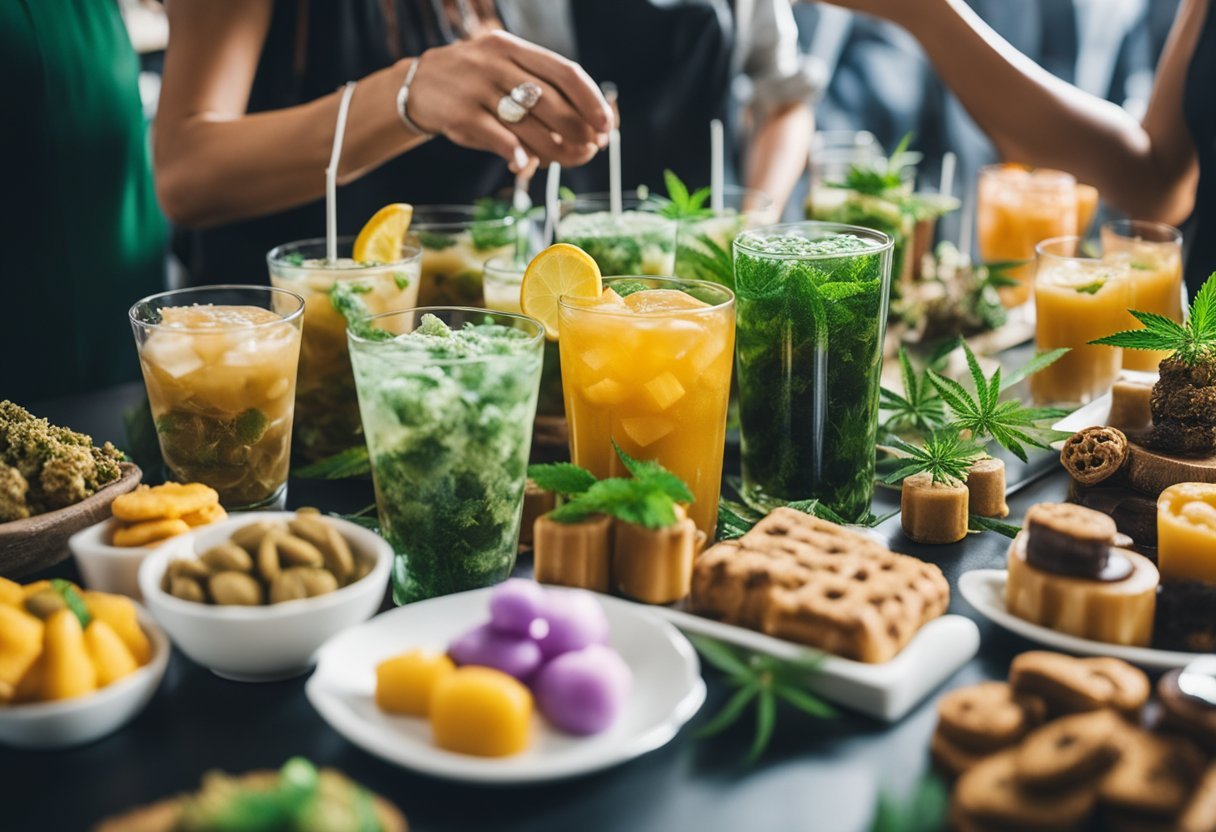
Creating dedicated tasting stations helps guests explore different cannabis varieties systematically while learning about unique characteristics and effects. Each station requires proper setup, accessories, and documentation to facilitate a professional tasting experience.
Determining Tasting Order
Start with lighter sativas and progress to heavier indicas to prevent palate fatigue. Space out 3-4 stations with clearly labeled varieties.
Group strains by their terpene profiles – citrusy varieties pair well together, as do earthy or pine-forward options.
Include a mix of sativas, indicas, and balanced hybrids to showcase the spectrum of cannabis effects and flavors.
Label each station with strain names, genetic lineage, and primary terpenes present.
Utilizing the Right Accessories
Each station needs a clean grinder, appropriate glassware, and temperature-controlled vaporizers for optimal flavor extraction.
Provide hemp wick lighters instead of butane to preserve delicate terpene profiles during combustion.
Set out fresh water and palate-cleansing snacks between tastings.
Supply magnifying glasses so guests can examine trichomes and bud structure.
Designing the Tasting Notes
Create standardized tasting cards with sections for appearance, aroma, flavor, and effects.
Include a flavor wheel highlighting common cannabis terpenes and their corresponding taste descriptors.
Guide participants to note specific characteristics:
- Visual: Color, crystal coverage, density
- Aroma: Primary and secondary scents
- Taste: Initial flavor, finish, smoothness
- Effects: Onset time, physical sensations, mental state
Provide pencils and clipboards at each station for comfortable note-taking.
Pairing Food and Cannabis
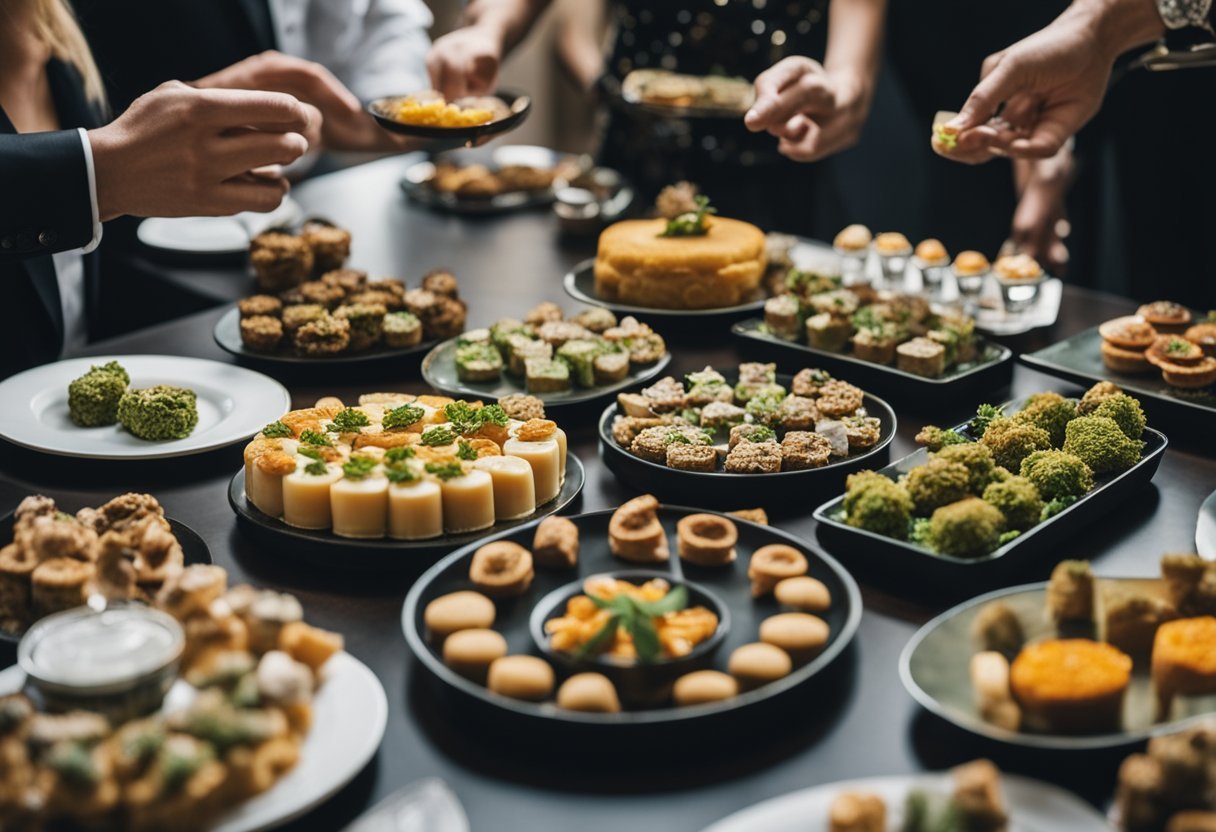
Food and cannabis combinations enhance both experiences through complementary flavors and effects. Strategic pairings create a more enjoyable and balanced experience for guests.
Matching Strains with Complementary Snacks
Citrus-forward sativa strains pair well with bright, acidic foods like citrus fruits and light cheeses. Their energizing effects complement fresh, vibrant flavors.
Earthy indica strains match perfectly with rich, savory foods like chocolate, nuts, and robust cheeses. The relaxing properties enhance the comfort food experience.
Popular strain and food pairings:
- Blue Dream + fresh berries and cream
- OG Kush + dark chocolate
- Lemon Haze + citrus-infused sparkling water
- Purple Punch + sweet pastries
Offering Non-Infused Options
A selection of non-infused foods allows guests to satisfy munchies without overconsumption of cannabis.
Create designated areas for infused and non-infused items using clear labels and separate serving stations.
Suggested non-infused options:
- Fresh fruit platters
- Mixed nuts and trail mix
- Cheese and charcuterie boards
- Flavored sparkling waters
Ensuring Options for Different Tolerances
Provide clearly labeled low-dose and micro-dose options for guests with lower tolerances. Use small portion sizes for infused items.
Label each item with THC content and suggested serving sizes. Consider color-coding different strength levels for easy identification.
Keep strong edibles separate and clearly marked. Place warning cards near high-potency items.
Tolerance-friendly serving suggestions:
- 2.5mg THC mini cookies
- 5mg THC brownies
- 10mg THC gummies
- Non-infused duplicate options
Crafting Cannabis-Infused Edibles
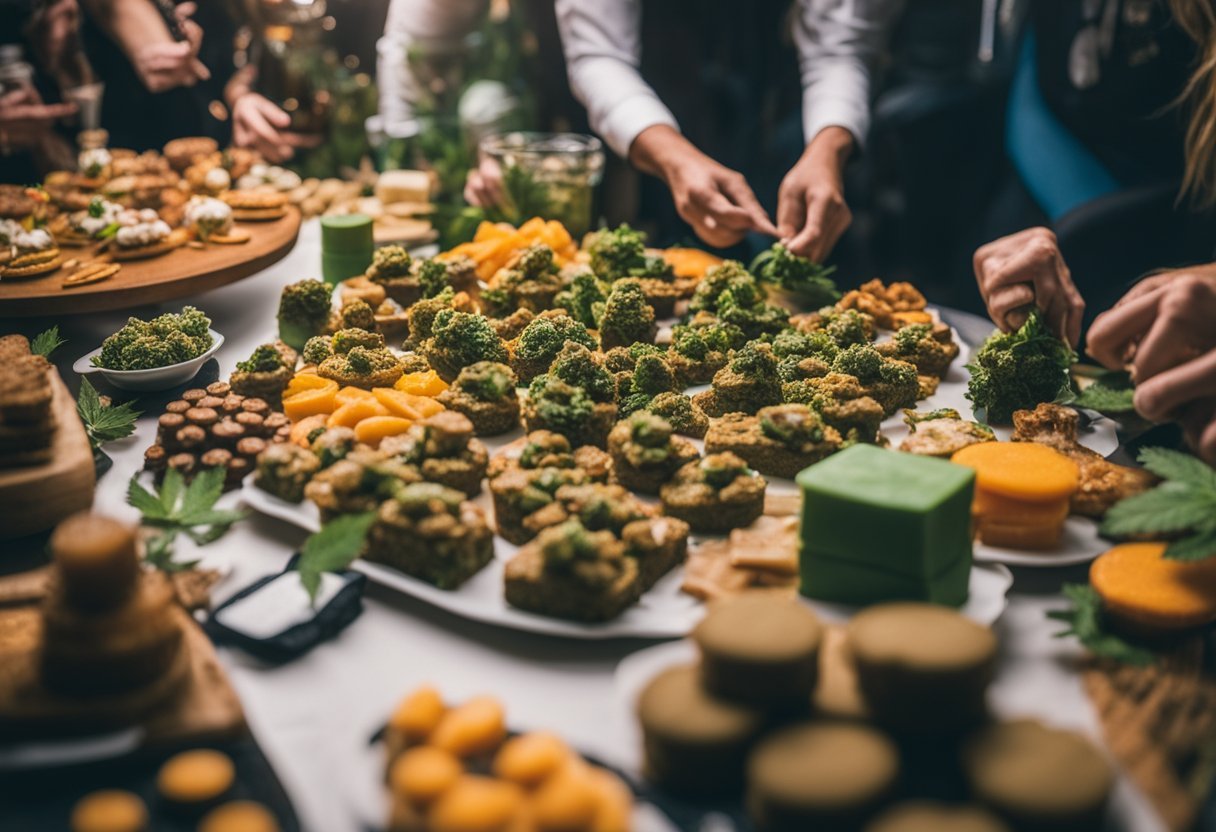
Creating cannabis edibles requires proper infusion techniques, precise measurements, and careful attention to dosing. Mastering these fundamentals enables the production of consistently potent and delicious treats.
Infusion Techniques for Butter and Oils
The decarboxylation process activates THC by heating ground cannabis at 240°F (115°C) for 30-40 minutes. This step is essential before any infusion.
Infusing butter or oil requires combining the decarboxylated cannabis with the chosen fat over low heat (160-180°F) for 2-3 hours. A cheesecloth helps strain out plant material for a clean final product.
Recommended Fats for Infusion:
- Coconut oil
- Butter
- Olive oil
- MCT oil
Recipe Ideas for Tasty Edibles
Classic cannabis brownies remain popular due to their ability to mask the herb’s taste while providing consistent dosing. Start with a tested recipe that uses infused butter or oil.
Quick and Simple Options:
- No-bake cookies with infused coconut oil
- Infused popcorn tossed with cannabutter
- Cannabis-infused honey for tea or drizzling
For CBD-focused treats, use CBD-rich strains to create milder edibles suitable for daytime consumption.
Safe Dosing and Labeling
Start with 5-10mg THC per serving for beginners. Use a dosage calculator to determine proper portions based on the potency of your cannabis.
Label all edibles clearly with:
- THC/CBD content per serving
- Total servings per item
- Date of production
- Strain used
Store infused products in child-proof containers away from regular food items. Keep detailed records of recipes and potency testing results.
Entertaining Your Guests
Creating an engaging atmosphere helps guests fully appreciate the cannabis tasting experience while maintaining a comfortable and controlled environment.
Fostering Engaging Conversations
Set up dedicated tasting stations with strain information cards that include terpene profiles, effects, and flavor notes to spark natural discussions.
Create small groups of 4-6 people per station to encourage intimate conversations about different strains’ characteristics and effects.
Place conversation starter cards at each station with prompts about cannabis experiences, preferences, and knowledge to keep discussions flowing naturally.
Designate a knowledgeable host at each station who can guide conversations about strain genetics, growing methods, and consumption techniques.
Curating a Playlist for the Event
Select instrumental music at a moderate volume to allow for easy conversation while enhancing the sensory experience.
Mix genres like downtempo electronic, jazz, and ambient music to create a sophisticated yet relaxed atmosphere.
Create separate playlists for different phases of the event – upbeat tracks for arrival, mellow tunes during tasting, and energetic songs for socializing.
Including Interactive Elements
Set up a flavor-pairing station where guests can experiment with complementary foods and beverages that enhance specific strain profiles.
Provide tasting journals and pens for guests to record their observations, ratings, and favorite strains.
Add a strain-effect mapping activity where participants can place stickers on a mood board to track their experiences with different varieties.
Include a photography station with proper lighting and creative props for guests to document their favorite moments.