
Rolling a joint requires precision, practice, and attention to detail. Like any skill, mastering joint rolling takes time and consistent effort to achieve the perfect shape, density, and smoothness.
The perfect joint needs a firm but gentle touch, evenly ground cannabis, quality rolling papers, and methodical hand movements to create a smooth, cylindrical shape that burns steadily. A well-rolled joint delivers an optimal smoking experience through proper airflow and even distribution of material.
Learning proper rolling techniques saves money, improves the smoking experience, and gives smokers control over their preferred size and style. The right preparation makes all the difference between a loose, uneven joint that wastes product and a tightly rolled masterpiece that burns smoothly from start to finish.
Choosing Your Materials
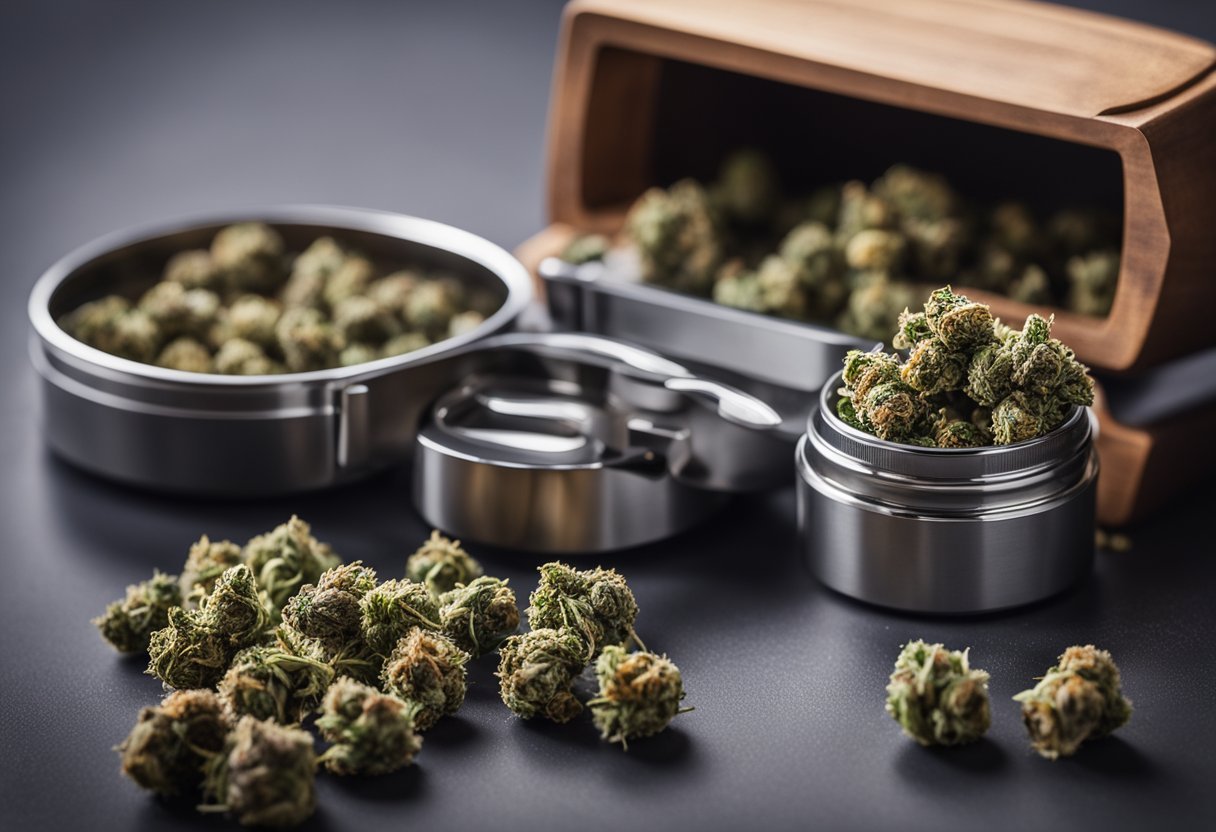
The foundation of a perfect joint lies in selecting premium materials and understanding the different styles available to match personal preferences.
Selecting Quality Rolling Papers
Rolling papers come in various materials, sizes, and thicknesses. Rice papers offer a thin, slow-burning option that preserves the natural taste of cannabis.
Hemp papers provide durability and an eco-friendly choice. They burn evenly and complement the natural flavors of the herb.
Premium rolling paper brands typically include watermarks and natural gum adhesive strips for reliable sealing. Standard sizes range from 1¼ inches to king-size.
Essential qualities to look for:
- Even texture without bumps
- Natural color without bleaching
- Reliable adhesive strip
- Proper thickness for easy rolling
Types of Joints: Exploring Pre-Rolls, Spliffs, and More
Pre-rolls offer convenience and consistency for those new to rolling. These cone-shaped joints come ready to fill with ground cannabis.
Spliffs combine cannabis with tobacco, creating a unique experience with faster burning characteristics. The ratio can be adjusted to personal preference.
Popular joint variations:
- Classic straight joint
- Cone-shaped
- Pre-rolled cones
- Dutch-style with tobacco
- Inside-out roll
Filter tips improve airflow and prevent loose material from entering the mouth. Paper filters or glass tips serve as reusable options.
Preparing the Roll

Proper preparation of your materials makes the difference between a smoothly burning joint and one that burns unevenly or falls apart. The two key steps involve breaking down the cannabis and creating a stable filter.
Grinding the Weed
A grinder creates an even, fluffy consistency that burns smoothly and evenly. Place small buds between the grinder’s teeth and rotate the top and bottom pieces in opposite directions 5-7 times.
If using scissors instead of a grinder, cut the cannabis into small, uniform pieces on a clean surface. Avoid grinding too finely, as this can lead to excessive burning.
Remove any stems or seeds that could tear the rolling paper. The ground material should feel light and slightly springy when touched.
Forming the Filter or Crutch
Take a rectangular piece of thick paper or cardboard about 1/2 inch wide and 2 inches long. Make 3-4 small accordion folds at one end.
Roll the remaining straight portion around these folds to create a cylinder shape. The filter should be firm but not too tight.
The ideal filter prevents small particles from entering your mouth while maintaining proper airflow. Test by gently blowing through it – you should feel minimal resistance.
Position the filter at one end of your rolling paper. This provides structure and helps maintain the joint’s shape during rolling.
The Rolling Technique
The key to rolling a perfect joint lies in proper paper filling, precise shaping, and maintaining consistent pressure throughout the rolling process.
How to Fill the Rolling Paper
Place the rolling paper on a flat surface with the adhesive strip facing up and away. The crease should form a natural valley to hold the material.
Position a filter tip at one end of the paper, leaving about 1/4 inch extending beyond the edge. This creates an anchor point for rolling.
Distribute the ground material evenly along the paper’s length. A consistent distribution prevents air pockets and ensures an even burn.
Leave a small gap between the material and the paper’s edges to prevent spillage during rolling. The amount should form a straight line parallel to the paper’s crease.
Shaping and Rolling the Perfect Joint
Hold the paper between thumbs and index fingers near the filter tip. The thumbs should be closest to you, with fingers behind the paper.
Use gentle, rolling motions to shape the material into a cylinder. Start at the filter end and work toward the tip.
Tuck the front edge of the paper under the material near the filter. This initial tuck sets the foundation for a tight roll.
Roll upward slowly while maintaining even pressure. The tightness near the filter determines the joint’s overall structure.
Lick the adhesive strip lightly and seal from filter to tip. Press gently along the seam to ensure proper adhesion.
Twist the excess paper at the tip to secure the contents. The joint should form a smooth cone shape from filter to tip.
Sealing and Perfecting the Joint

A properly sealed and packed joint creates an optimal smoking experience with consistent airflow and an even burn from start to finish.
Tips for an Even Seal
The licking technique plays a crucial role in achieving a secure seal. A light, controlled application of moisture along the adhesive strip works best.
Start at the filter end and work toward the tip, using the tip of the tongue to apply even pressure. Too much moisture can cause the paper to tear or wrinkle.
Press and smooth the seal with thumbs and index fingers, working from the center outward to remove any air pockets or wrinkles.
Double-check the seam line for any gaps or loose spots that could affect the burn. If needed, apply gentle pressure to reseal those areas.
Packing the Joint for an Even Burn
Gentle taps against a hard surface help settle the cannabis evenly throughout the joint. Hold it filter-end up at a 45-degree angle while tapping.
Use a thin tool like a pen or chopstick to pack down the cannabis through the open end. Apply firm but gentle pressure to avoid over-packing.
The joint should feel firm but still allow air to flow when drawing through the filter. If it feels too tight, gently massage the paper to loosen the contents.
Leave about 1/4 inch of space at the tip for twisting closed. Pinch and twist the excess paper to create a neat, sealed end that’s easy to light.
Troubleshooting Common Mistakes
Rolling joints can present challenges for both beginners and experienced users. Identifying and fixing common issues helps create a better smoking experience.
Rolling too tight prevents proper airflow and makes it difficult to draw smoke. If the joint feels hard or too firm, start over and use less pressure when rolling.
Rolling too loose leads to an uneven burn and wasted material. A loose joint will feel spongy and may have gaps. The solution is to compress the material more firmly while rolling.
Uneven distribution of material creates an irregular shape that burns poorly. Prior to rolling, spread the ground material evenly across the paper using fingertips.
When joints canoe (burn unevenly on one side), rotate the joint while smoking and ensure even packing. Moistening the faster-burning side can help correct the issue.
Common signs of poor rolling technique:
- Paper wrinkles or tears
- Material falls out of ends
- Difficulty drawing air through
- Joint burns too quickly
- Loose or floppy structure
A properly rolled joint should be firm but not tight, with an even cylindrical shape. The paper should be smooth without creases or air pockets.