
Preserving cannabis quality requires proper grinding, storage, and maintenance techniques. A consistent and even grind enhances the smoking experience while protecting the delicate trichomes that contain valuable compounds.
Proper storage in an airtight glass container, away from light and heat, maintains freshness for up to six months and prevents degradation of THC and terpenes. Each step in the preservation process plays a vital role in protecting the potency and flavor profile.
The methods used to process and store cannabis directly impact its longevity and effectiveness. With the right tools and knowledge, anyone can maintain their supply in optimal condition from purchase through consumption.
Understanding Cannabis Preservation
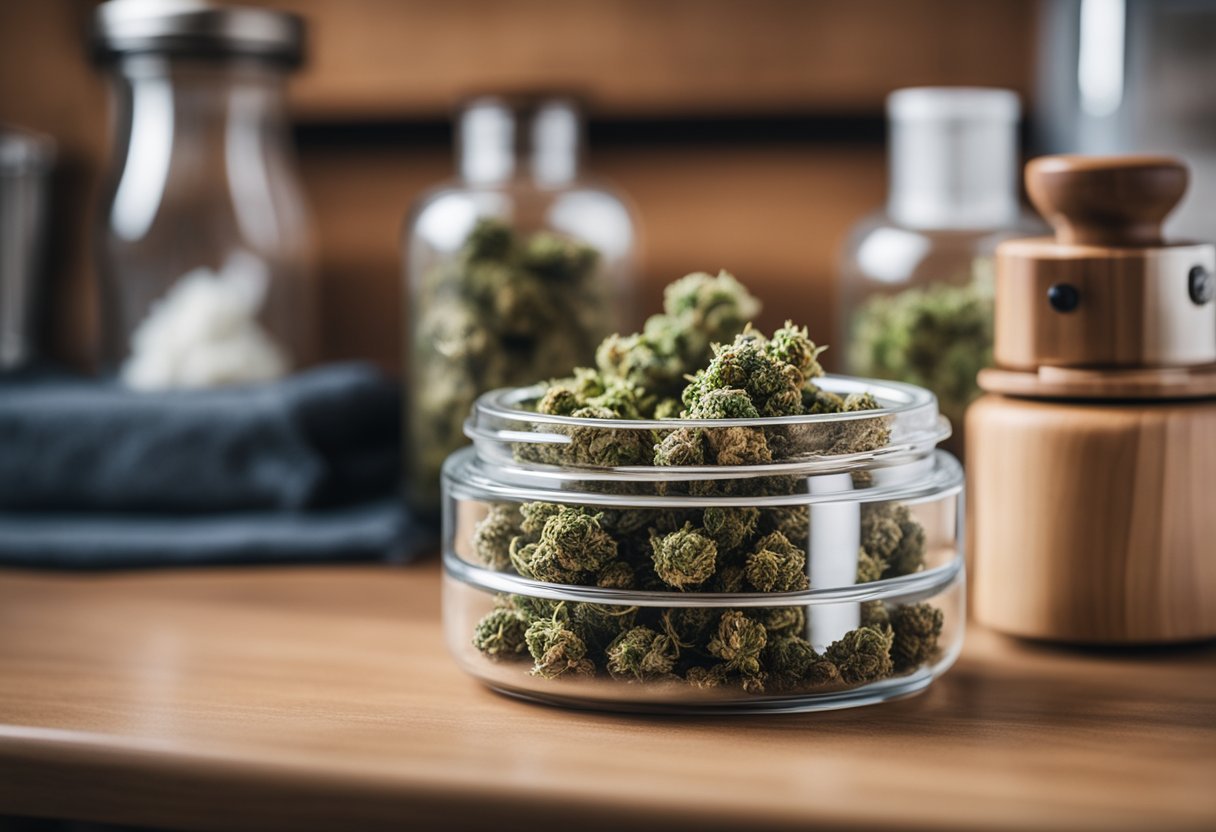
Proper cannabis preservation directly impacts the quality, potency and longevity of your buds. The right storage methods protect essential compounds while preventing degradation from environmental factors.
Importance of Trichomes and Potency
Trichomes are tiny, crystal-like structures on cannabis flowers that contain cannabinoids and terpenes. These delicate components give cannabis its effects and flavors.
Protection of trichomes requires gentle handling to prevent them from breaking off or degrading. Physical damage to trichomes leads to reduced potency and diminished effects.
Properly preserved cannabis maintains its cannabinoid content for 6-12 months when stored correctly. Fresh, well-preserved buds retain their natural aroma and full therapeutic properties.
Factors Affecting Cannabis Quality
Temperature plays a crucial role in cannabis storage. The ideal storage temperature range is 60-70°F (15-21°C). Higher temperatures speed up degradation of active compounds.
Light exposure breaks down cannabinoids and terpenes. Store cannabis in opaque, airtight containers away from direct light sources.
Moisture levels must stay between 59-63% relative humidity. Too much moisture promotes mold growth, while too little makes the buds brittle.
UV rays and heat accelerate the breakdown of THC into CBN, resulting in less potent cannabis. Cool, dark storage locations preserve potency best.
Air exposure oxidizes trichomes and degrades cannabis quality. Use airtight containers and minimize opening them to prevent air exchange.
Preparing Your Bud for Storage
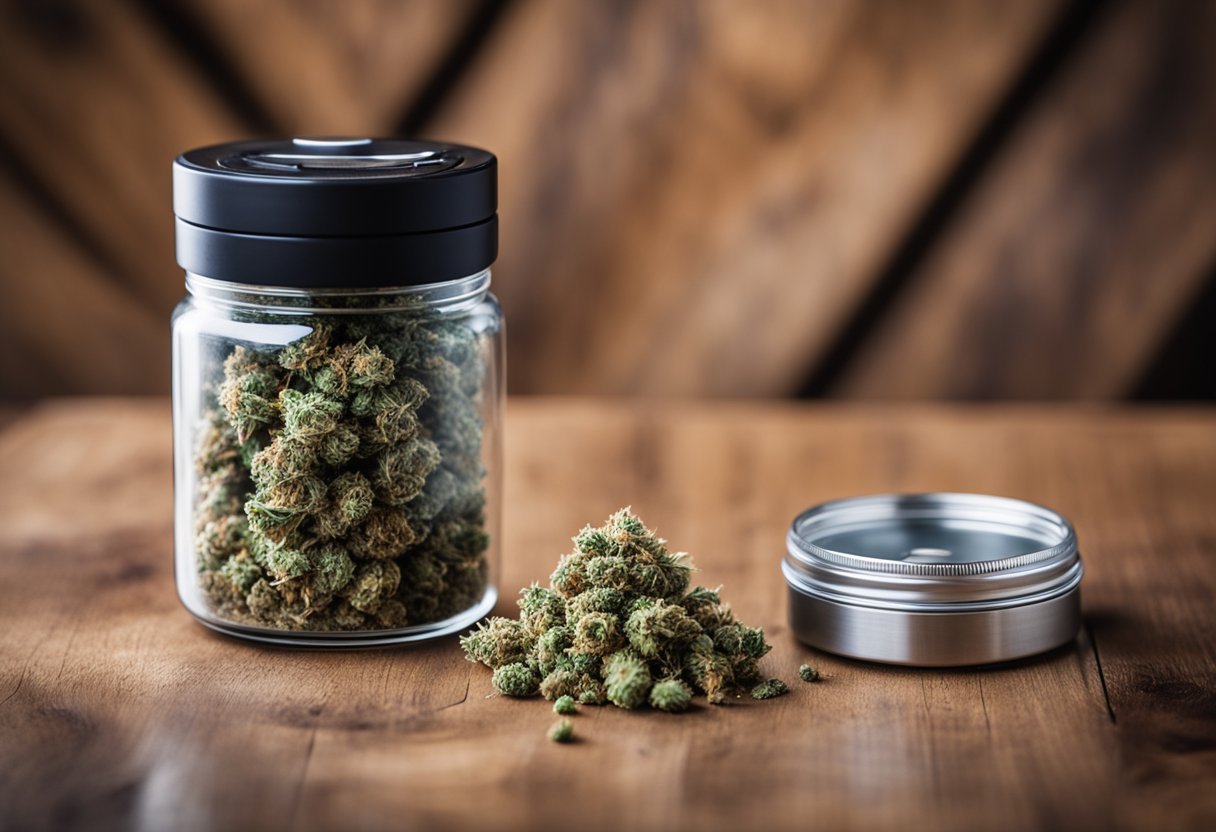
Proper preparation of cannabis flower requires careful attention to drying and trimming processes. These steps directly impact the quality, potency, and longevity of the final product.
The Drying Process
Fresh cannabis needs to dry in a controlled environment with temperatures between 60-70°F (15-21°C) and humidity levels of 45-55%. A clean, dark space with good air circulation works best.
Hang branches upside down on drying racks, keeping space between them for airflow. Small fans can help circulate air but should never blow directly on the buds.
The process typically takes 7-10 days. Stems should snap rather than bend when ready. If they bend, more drying time is needed.
Monitor humidity daily using a hygrometer. Too much moisture risks mold growth, while overly dry conditions can degrade trichomes.
Trimming and Curing Bud
Start trimming when the buds feel dry to the touch but still slightly springy. Remove large fan leaves and excess plant material with sharp, clean scissors.
Place trimmed buds in airtight glass jars, filling them about 75% full. This allows space for air exchange during the curing process.
Open jars daily for the first week to “burp” them, letting fresh air replace the expelled moisture. After week one, reduce burping to once every few days.
The curing process takes 2-4 weeks minimum. Properly cured buds should be slightly crisp on the outside while maintaining some flexibility.
Choosing the Right Storage Containers
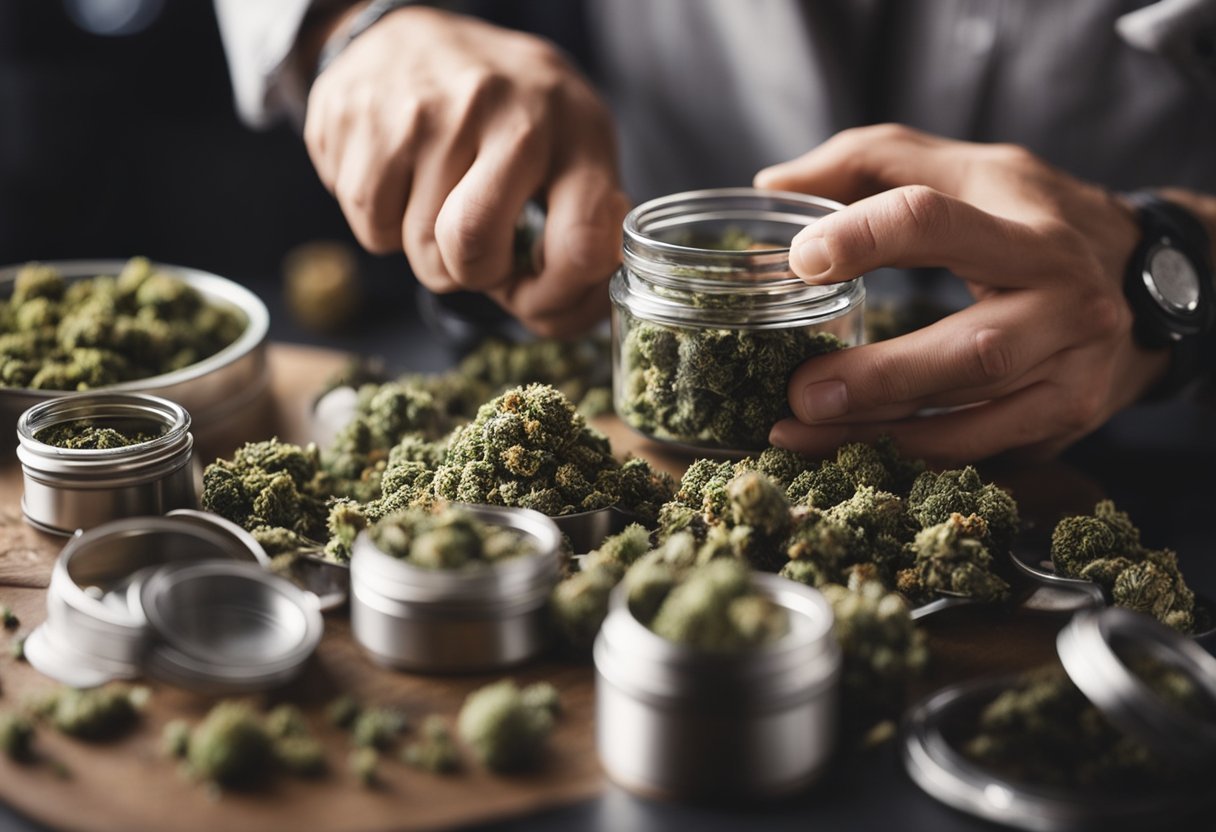
The proper storage container protects cannabis from moisture, light, and air exposure while maintaining its potency and preventing contamination. The right container can preserve terpenes and cannabinoids for months.
Airtight Glass Jars
Glass mason jars with airtight seals provide optimal storage conditions for cannabis. UV-resistant amber or cobalt blue glass offers additional protection from harmful light exposure.
Clean, wide-mouth mason jars allow easy access while maintaining an effective seal. The neutral glass material won’t leach chemicals or affect the flower’s taste and aroma.
Store jars at 60-65% relative humidity using humidity control packs. Replace jar seals annually to maintain airtightness.
Recommended jar sizes:
- 4 oz jars for 1/8 to 1/4 oz of flower
- 8 oz jars for 1/2 oz
- 16 oz jars for 1 oz or more
Vacuum Sealing and Metals
Vacuum sealing systems extend storage life by removing air that can degrade cannabinoids. Use food-grade vacuum bags designed for long-term storage.
Metal containers risk oxidation and can impart metallic tastes. If using metal, choose premium stainless steel containers with silicone or rubber seals.
Avoid aluminum containers as they may affect flavor profiles. Metal containers should include humidity control packs to maintain optimal moisture levels.
Best practices:
- Pre-clean all containers with isopropyl alcohol
- Store in a cool, dark place
- Check seals monthly for wear
- Replace containers showing signs of damage
Optimal Cannabis Storage Conditions
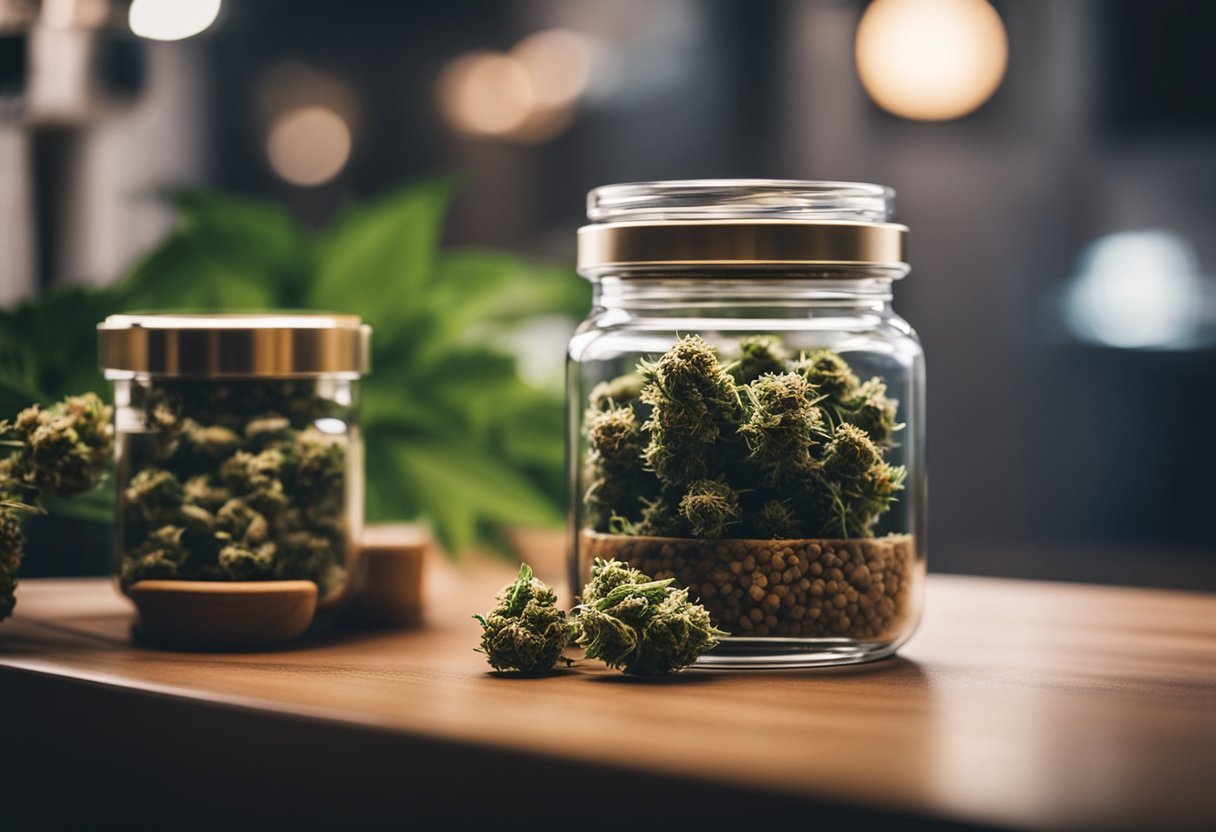
Proper storage of cannabis requires precise control of environmental factors to maintain potency and prevent degradation of valuable compounds.
Temperature and Humidity Control
The ideal storage temperature for cannabis falls between 60-68°F (15-20°C). A consistent cool environment prevents mold growth and preserves terpenes.
Relative humidity should stay between 58-62% to keep buds from becoming too dry or too moist. A calibrated hygrometer provides accurate humidity readings.
Essential Tools for Humidity Management:
- Boveda or similar two-way humidity packs
- Digital hygrometer
- Airtight glass containers
Humidity control packs help maintain optimal moisture levels and prevent over-drying. Replace these packs when they become rigid.
Light and Air Exposure
UV light rapidly degrades THC and other cannabinoids. Store cannabis in opaque or amber glass containers to block harmful light rays.
Excessive oxygen exposure speeds up degradation. Use containers sized appropriately for the amount being stored to minimize air space.
Storage containers should be opened briefly and only when necessary. Each exposure to fresh air affects the controlled environment inside.
Vacuum-sealed containers offer superior protection against oxidation for long-term storage. Remove as much air as possible before sealing.
Maintaining Quality for Long-Term Storage
Proper monitoring and maintenance practices protect stored cannabis from degradation while preserving its potency, flavors, and aromas. Good storage habits maximize shelf life and keep the product fresh.
Regular Monitoring
Check stored cannabis every 2-3 weeks for signs of moisture, mold, or deterioration. Open containers briefly to allow fresh air exchange, which helps prevent stagnant conditions.
Visual inspection should focus on spotting any discoloration, white fuzzy patches, or unusual texture changes. A magnifying glass aids in detecting early warning signs.
Pay attention to smell – any musty or ammonia-like odors indicate potential problems. The aroma should remain consistent with the strain’s natural terpene profile.
Maintain ideal humidity between 59-63% using calibrated hygrometers. Replace humidity packs when they become rigid or show signs of saturation.
Rehydrating and Refreshing Bud
Overly dry cannabis can be gently rehydrated using humidity control packs or fresh orange peels for 2-3 hours maximum. Never add water directly.
Fresh citrus peels work short-term but require close monitoring to prevent mold. Commercial humidity packs offer more controlled and safer rehydration.
Small amounts of dried herb should be rotated from main storage containers into smaller daily-use jars. This preserves the larger batch’s environment.
Store rehydrated cannabis in airtight containers away from light at 60-68°F. Allow 24 hours for humidity to stabilize before long-term storage.