
The world of cannabis can feel overwhelming for newcomers. From scientific terms to street slang, the vocabulary spans decades of both underground culture and medical research. Learning these terms helps people communicate effectively about cannabis products and their effects.
A solid grasp of cannabis terminology allows consumers to make informed decisions about products, understand dosing, and have productive conversations with budtenders and medical professionals. This knowledge becomes essential as more regions legalize cannabis for medical and recreational use.
The cannabis lexicon continues to evolve with new research, product innovations, and changing cultural perspectives. This guide breaks down the essential terms that every cannabis consumer should know, from basic plant anatomy to consumption methods and potency measurements.
Understanding Cannabis Fundamentals
Cannabis contains hundreds of chemical compounds that interact with the human body’s endocannabinoid system. These compounds create distinct effects through various strains and consumption methods.
Types of Cannabis
Three primary cannabis species exist: Cannabis sativa, Cannabis indica, and Cannabis ruderalis. Each species has unique characteristics and growth patterns.
Sativa plants grow tall with narrow leaves and thrive in warm climates. They often produce energizing effects.
Indica plants are shorter and bushier with broad leaves. They typically create relaxing effects and adapt well to cooler environments.
Hybrids combine sativa and indica genetics to create balanced effects. Most modern cannabis strains are hybrids with varying ratios of parent genetics.
Cannabinoids Explained
Cannabinoids are chemical compounds that interact with receptors in the endocannabinoid system. THC (tetrahydrocannabinol) and CBD (cannabidiol) are the most abundant cannabinoids.
THC creates psychoactive effects and can help with pain, nausea, and appetite stimulation. CBD offers non-intoxicating benefits like reducing inflammation and anxiety.
The entourage effect occurs when multiple cannabinoids work together to enhance therapeutic benefits. Different strains contain varying ratios of these compounds.
Each person’s endocannabinoid system responds differently to cannabinoids, creating unique experiences for individual users.
The Anatomy of Cannabis
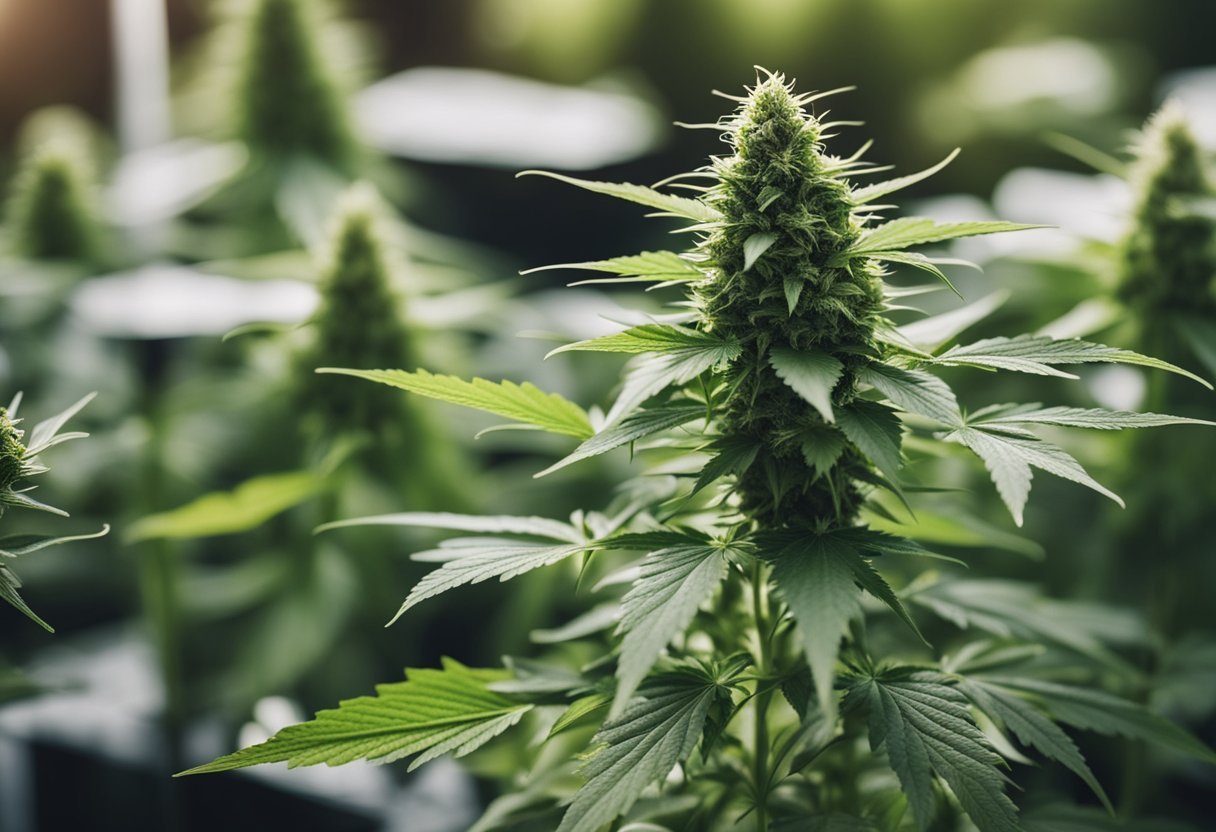
Cannabis plants possess distinct structural components that work together to produce the coveted flowers. The journey from seed to harvest involves careful cultivation and an understanding of the plant’s biological features.
From Seeds to Buds
Cannabis starts as a small seed containing all genetic information needed for growth. Once germinated, the seed produces a taproot and develops into a seedling with its first leaves.
The plant’s main stem supports fan leaves, which capture sunlight for photosynthesis. Branches emerge from nodes along the stem, creating sites for future flower development.
Female plants produce the prized flower clusters, or buds, covered in trichomes – tiny, crystal-like structures that contain cannabinoids and terpenes. These sticky, resinous glands give cannabis its potent effects and distinct aromas.
Cannabis Cultivation
Successful cultivation requires specific environmental conditions. Plants need 18-24 hours of light during vegetative growth and 12 hours during flowering.
Temperature control between 70-85°F (21-29°C) and humidity management are essential for healthy growth. Plants respond well to well-draining soil rich in nutrients.
The flowering stage transforms small clusters into dense, resin-covered buds. Growers monitor trichome development to determine optimal harvest time.
Common cultivation methods include:
- Indoor growing with artificial lights
- Greenhouse cultivation
- Outdoor farming in suitable climates
- Hydroponic systems
Cannabis Consumption Methods
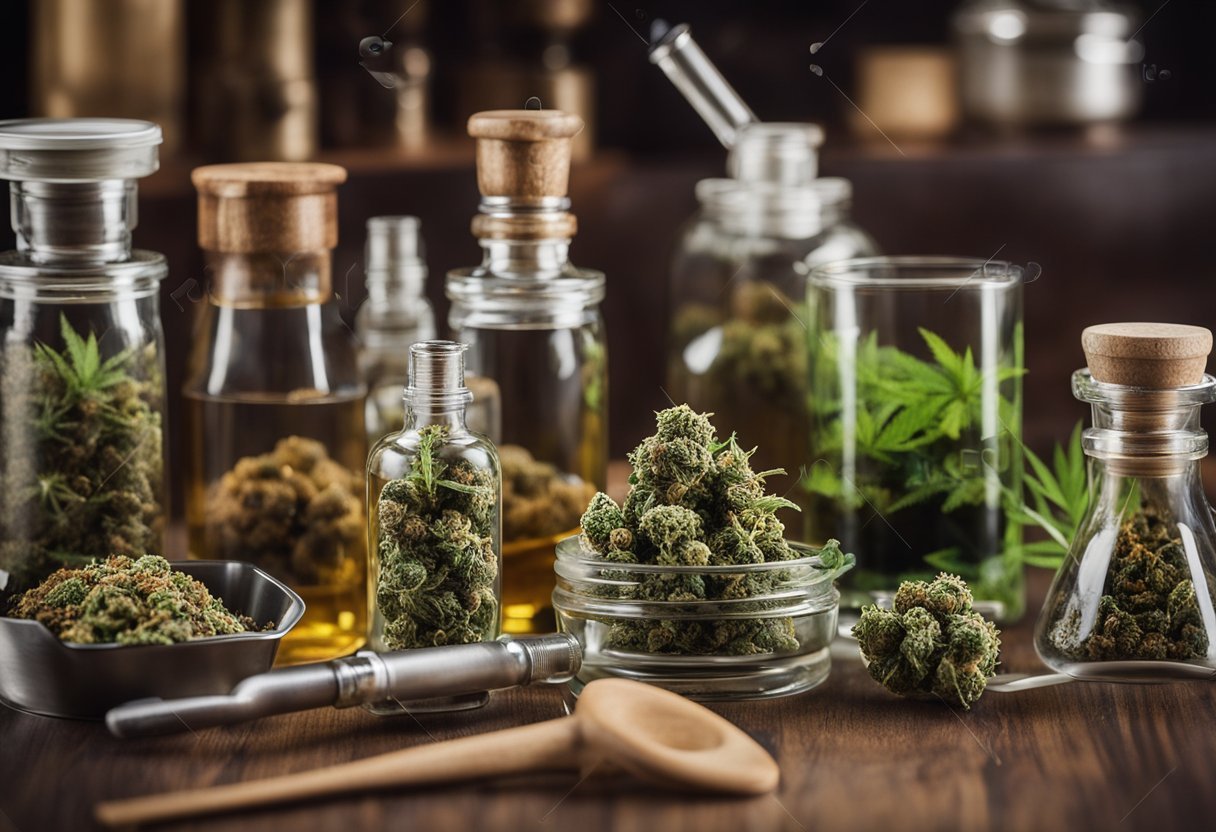
Various methods exist for consuming cannabis, each offering distinct effects, onset times, and durations of action. The choice of consumption method significantly impacts the user’s experience and therapeutic benefits.
Smoking and Inhalation
Smoking remains the most common method of cannabis consumption. Joints, hand-rolled cigarettes containing ground cannabis flower, provide quick effects within minutes.
Glass pipes offer a convenient, reusable option for smoking cannabis. Users pack ground flower into the bowl and light it while inhaling through the mouthpiece.
Bongs, or water pipes, filter smoke through water before inhalation. This process cools the smoke and removes some particulates, creating a smoother experience.
Vaporizers heat cannabis flower or concentrates to release active compounds without combustion. This method produces less harsh vapor and fewer harmful byproducts than smoking.
Edibles and Ingestion
Cannabis-infused foods and beverages take effect in 30-90 minutes. The liver processes THC differently when eaten, creating stronger and longer-lasting effects that can persist for 4-8 hours.
Tinctures are liquid extracts placed under the tongue. They offer faster absorption than edibles, typically taking effect within 15-45 minutes.
Cannabis oils can be added to food or consumed directly. They provide precise dosing and consistent effects.
Topicals and Transdermal Options
Cannabis-infused lotions, balms, and creams target specific areas when applied to the skin. These products typically don’t produce psychoactive effects.
Transdermal patches deliver cannabinoids directly through the skin into the bloodstream. They provide steady, controlled release over several hours.
Topical products work well for localized relief and can be applied as needed throughout the day.
The Cannabis Experience
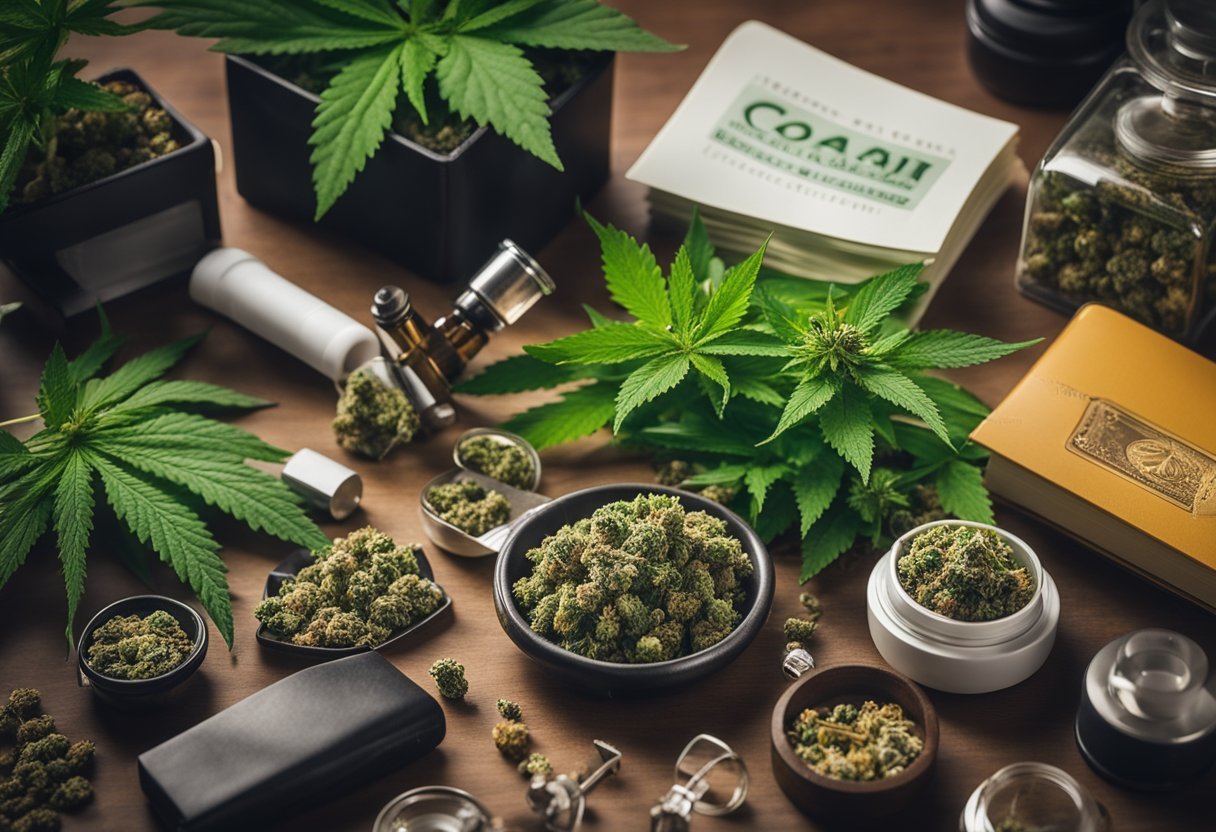
Cannabis produces distinct physical and mental effects through its active compounds, with varying potency levels and therapeutic applications depending on strain and consumption method.
Effects and Potency
THC creates psychoactive effects by binding to specific receptors in the brain. Users often report feelings of euphoria, relaxation, and altered perception.
The intensity of effects depends on THC concentration, which can range from 5% to over 30% in different cannabis strains. CBD, a non-intoxicating compound, can moderate THC’s effects.
The entourage effect occurs when multiple cannabis compounds work together, potentially enhancing therapeutic benefits. This interaction influences both recreational and medical outcomes.
Users may experience “body high” sensations, including muscle relaxation and tingling. Higher doses can lead to couch lock, a state of deep physical sedation.
Medical Use and Benefits
Medical cannabis helps manage chronic pain, reducing reliance on conventional pain medications. Studies show effectiveness in treating neuropathic pain and inflammation.
CBD demonstrates significant therapeutic potential without psychoactive effects. It helps with anxiety, seizures, and inflammatory conditions.
Medical patients often prefer specific strains based on their symptoms. Indica strains typically provide stronger pain relief and sedation, while sativas may help with fatigue and mood.
Careful dosing and strain selection maximize benefits while minimizing unwanted effects. Starting with low doses allows patients to find their optimal therapeutic range.
Navigating the Cannabis Industry
The cannabis marketplace operates through licensed dispensaries offering diverse product selections, with trained staff to guide purchases in accordance with local regulations.
Dispensaries and Legal Purchasing
Licensed dispensaries serve as retail locations where customers can purchase cannabis products in states with legal frameworks. Valid government-issued identification is required to enter, proving age requirements are met.
Budtenders assist customers in selecting appropriate products based on desired effects and experience levels. They provide expert guidance on consumption methods, dosing, and product specifications.
Most dispensaries require cash payments due to federal banking restrictions. Many locations offer ATMs on-site for customer convenience.
A Certificate of Analysis (COA) documents third-party testing results for cannabis products, verifying safety and potency levels.
Product Varieties and Innovations
Modern dispensaries stock diverse cannabis categories, from traditional flower to sophisticated extracts and edibles. Each product type offers specific benefits and consumption methods.
Common Product Categories:
- Flower (dried cannabis buds)
- Pre-rolls (ready-to-use joints)
- Concentrates (wax, shatter, oils)
- Edibles (infused foods and beverages)
- Tinctures (liquid extracts)
- Topicals (creams, balms)
Product labels display THC and CBD percentages, serving sizes, and activation times. New innovations emerge regularly, including rapid-onset technologies and precise dosing mechanisms.
Strain-specific products cater to different needs, from relaxation to focus enhancement. Many dispensaries organize their selection by intended effects and consumption methods.