
Cannabis consumers face a crucial choice between THC-dominant and CBD-dominant strains when seeking specific effects. While THC creates psychoactive effects and euphoria, CBD offers therapeutic benefits without intoxication.
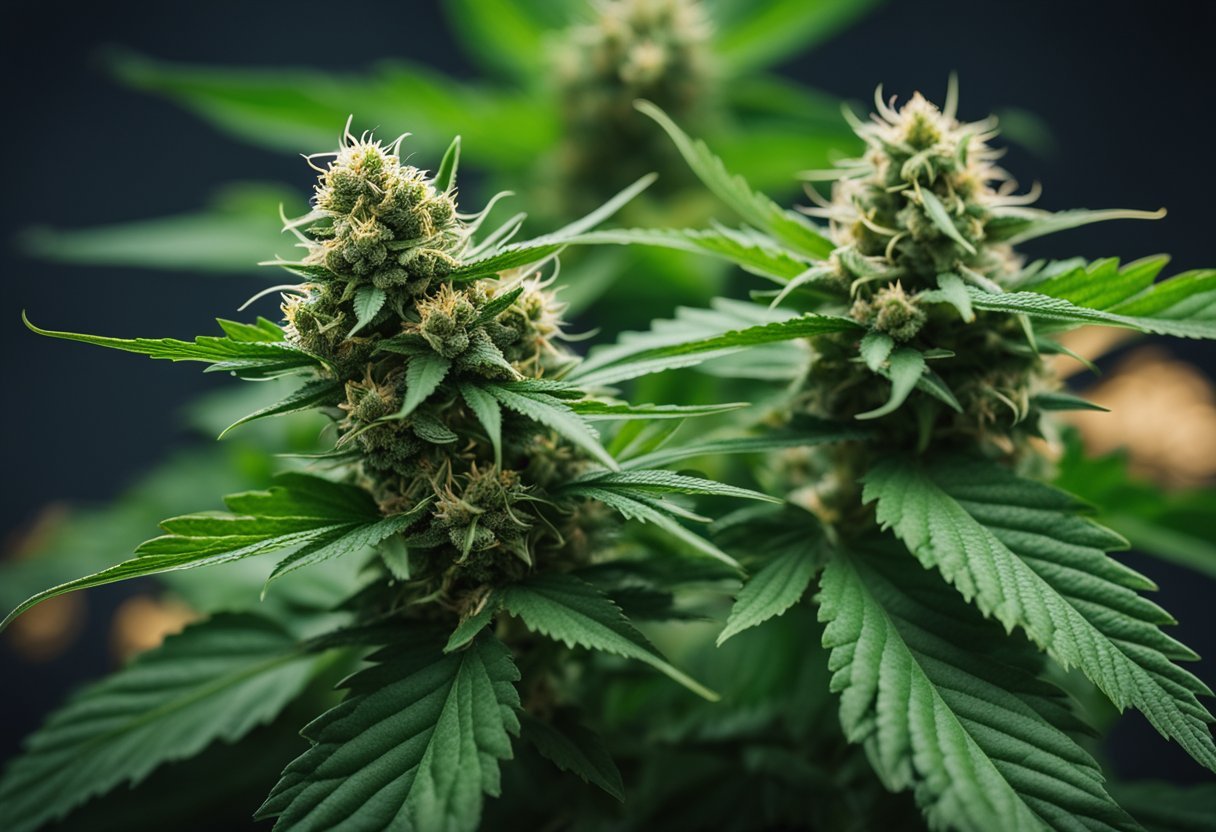
The choice between high-THC and high-CBD strains depends on the desired outcome: THC suits recreational users seeking mood elevation and creativity, while CBD benefits those wanting pain relief and anxiety reduction without mental impairment.
Modern cannabis breeding has created specialized strains that maximize either THC or CBD content, giving users precise control over their experience. These distinct cannabinoid profiles serve different purposes and satisfy varying needs among medical and recreational consumers.
Understanding Cannabinoids
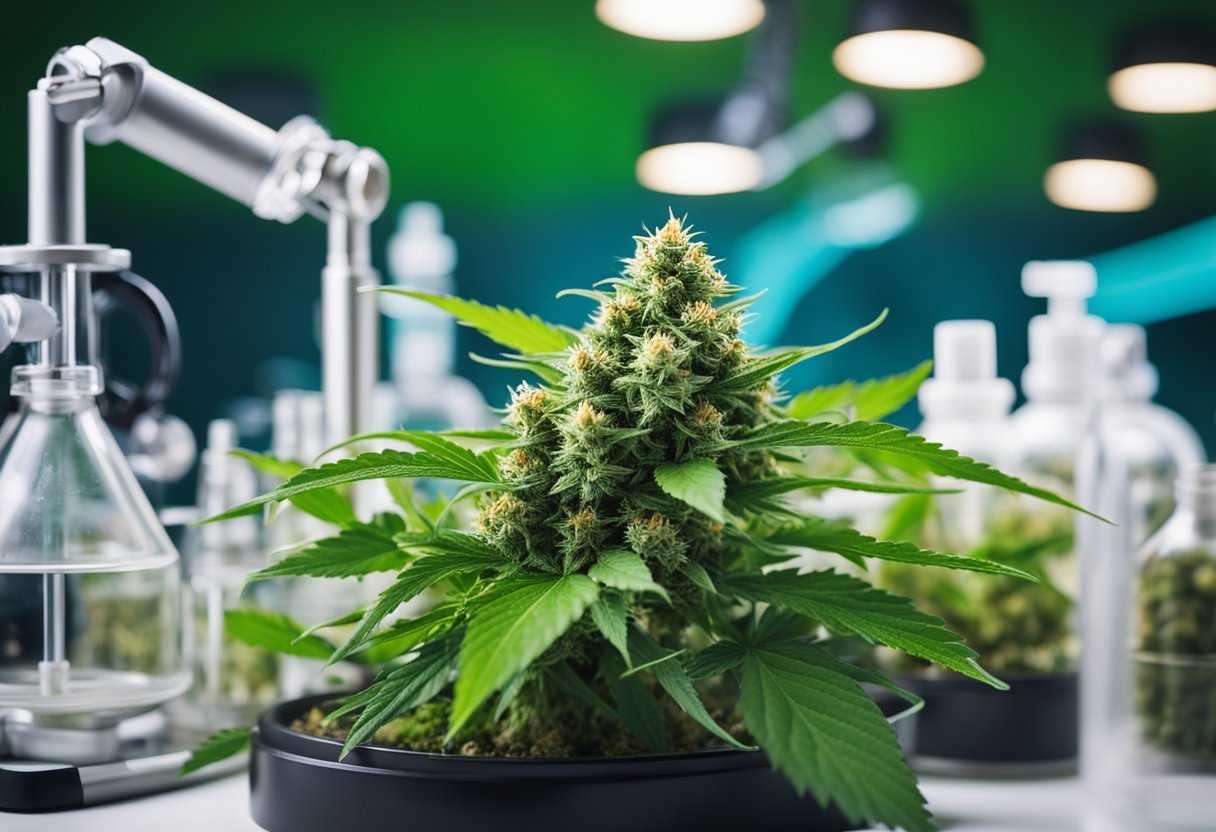
Cannabis contains over 100 distinct cannabinoids, with THC and CBD being the most prominent and well-researched compounds. These molecules interact with the body’s endocannabinoid system to produce various physiological effects.
The Role of THC and CBD
THC (tetrahydrocannabinol) acts as the primary psychoactive compound in cannabis, binding directly to CB1 receptors in the brain. This interaction creates the characteristic “high” associated with cannabis use.
CBD (cannabidiol) functions differently, working indirectly with cannabinoid receptors without producing intoxicating effects. It can modify how THC interacts with CB1 receptors, potentially reducing some of THC’s psychoactive effects.
Both compounds exhibit unique properties: THC typically increases appetite and can reduce nausea, while CBD demonstrates anti-inflammatory and anxiolytic properties.
Effects on the Human Body
The endocannabinoid system regulates numerous bodily functions, including mood, sleep, appetite, and pain sensation. THC and CBD influence these processes in distinct ways.
THC can produce effects such as:
- Euphoria and relaxation
- Increased appetite
- Altered perception
- Short-term memory changes
CBD’s effects include:
- Reduced inflammation
- Decreased anxiety
- Pain relief
- Improved sleep quality
These compounds work differently in each person, based on factors like body chemistry, tolerance, and dosage.
High-THC Strains

High-THC cannabis strains contain 15-30% THC content and produce strong psychoactive effects. These potent varieties remain popular among recreational users and patients seeking intense symptom relief.
Benefits and Uses
THC-rich strains can provide significant pain relief for chronic conditions like arthritis, migraines, and neuropathy. The elevated THC levels often help reduce nausea and stimulate appetite in patients undergoing chemotherapy or dealing with eating disorders.
These strains typically boost mood and may help manage symptoms of depression, PTSD, and anxiety when used appropriately. Many users report enhanced creativity and focus with moderate doses.
The strong euphoric effects can help with insomnia by making it easier to fall asleep. Athletes and active individuals sometimes use high-THC strains for post-workout muscle recovery.
Potential Drawbacks
Elevated heart rate and anxiety are common side effects, especially in new users or those sensitive to THC. Short-term memory impairment and reduced coordination can impact daily activities and work performance.
Regular use of high-THC strains may lead to tolerance buildup, requiring higher doses for the same effects. Some users experience dry mouth, red eyes, and temporary cognitive fog.
Heavy consumption can trigger paranoia or panic attacks in susceptible individuals. Operating vehicles or machinery becomes dangerous due to delayed reaction times and altered perception.
High-CBD Strains
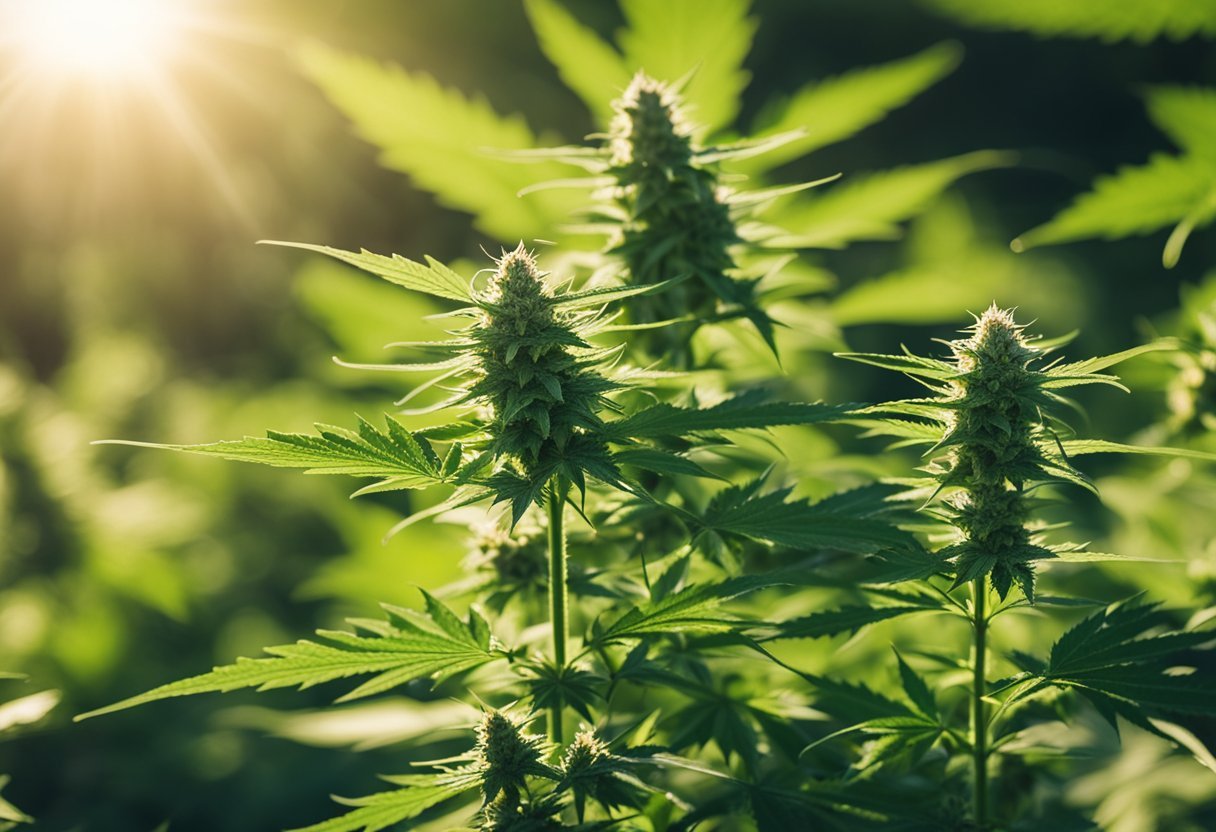
CBD-dominant cannabis strains contain minimal THC levels while offering significant therapeutic potential with reduced psychoactive effects. These strains typically maintain CBD concentrations of 10% or higher with THC levels below 1%.
Therapeutic Advantages
CBD strains effectively reduce anxiety, inflammation, and chronic pain without causing intoxication. Research shows they help manage epilepsy, with the FDA-approved medication Epidiolex demonstrating their anticonvulsant properties.
These strains provide relief from muscle spasms and may help reduce symptoms of multiple sclerosis. Studies indicate potential benefits for treating insomnia and improving sleep quality.
CBD strains show promise in managing migraines and arthritis pain through their anti-inflammatory properties. Many patients report reduced nausea and increased appetite when using high-CBD varieties.
Side Effects and Risks
Most users experience minimal side effects with CBD strains compared to THC-rich varieties. Common mild effects include dry mouth, drowsiness, and slight changes in appetite.
Drug interactions remain a concern, particularly with blood thinners and certain antiepileptic medications. Healthcare providers should monitor patients taking CBD alongside prescription medications.
Some users report mild digestive discomfort when first starting CBD strains. Regular monitoring of liver enzymes is recommended for long-term, high-dose CBD use.
While CBD has a strong safety profile, product quality varies significantly between producers. Third-party lab testing helps ensure accurate CBD content and absence of contaminants.
Choosing the Right Strain for You
Selecting an appropriate cannabis strain involves evaluating personal medical requirements and lifestyle factors. Making an informed choice depends on specific health goals and daily routines.
Considering Medical Needs
Medical conditions play a crucial role in strain selection. Patients with chronic pain or inflammation often benefit from high-CBD strains, which provide relief without significant psychoactive effects.
Those managing anxiety or PTSD might prefer balanced THC ratios, typically ranging from 1:1 to 1:2, as these combinations can offer therapeutic benefits while minimizing potential anxiety triggers.
Sleep disorders respond well to indica-dominant strains with higher THC content. These varieties contain sedating terpenes like myrcene and linalool.
Lifestyle and Personal Preferences
Work schedules and daily responsibilities influence optimal strain choices. Professionals might select low-THC options for daytime use to maintain mental clarity and productivity.
Activity Level Considerations:
- High-energy activities: Sativa-dominant strains
- Creative tasks: Balanced hybrids
- Evening relaxation: Indica-dominant varieties
Tolerance levels affect strain selection significantly. New users should start with lower THC percentages (10-15%) and gradually adjust based on their response.
Social settings and consumption methods also impact strain choice. Shared social experiences might call for milder strains, while private use allows for more personalized selection.
Legal Considerations and Access
The legal status of cannabis varies significantly by region. Many jurisdictions restrict high-THC strains more strictly than CBD-dominant varieties.
In the United States, hemp-derived CBD products containing less than 0.3% THC are federally legal. High-THC cannabis remains federally illegal but is permitted in several states for medical or recreational use.
Medical cannabis programs typically provide access to both high-THC and high-CBD strains through licensed dispensaries. Patients need valid medical cards and prescriptions in these jurisdictions.
CBD products can be purchased from various retail outlets in regions where they’re legal. These include health food stores, pharmacies, and online vendors.
Key Legal Points to Consider:
- Check local laws before purchasing
- Verify product THC content
- Obtain necessary medical documentation
- Purchase only from licensed vendors
- Research transportation restrictions
Some countries maintain strict controls on both THC and CBD products. Penalties for unauthorized possession or use can include fines and criminal charges.
Testing requirements and quality controls differ between jurisdictions. Licensed dispensaries must comply with local regulations regarding potency testing and labeling.