
Hybrid cannabis strains continue to evolve, combining the best qualities of indica and sativa varieties to create unique experiences for both recreational and medicinal users. The latest wave of hybrid strains offers enhanced potency, diverse terpene profiles, and targeted effects that cater to specific needs and preferences.
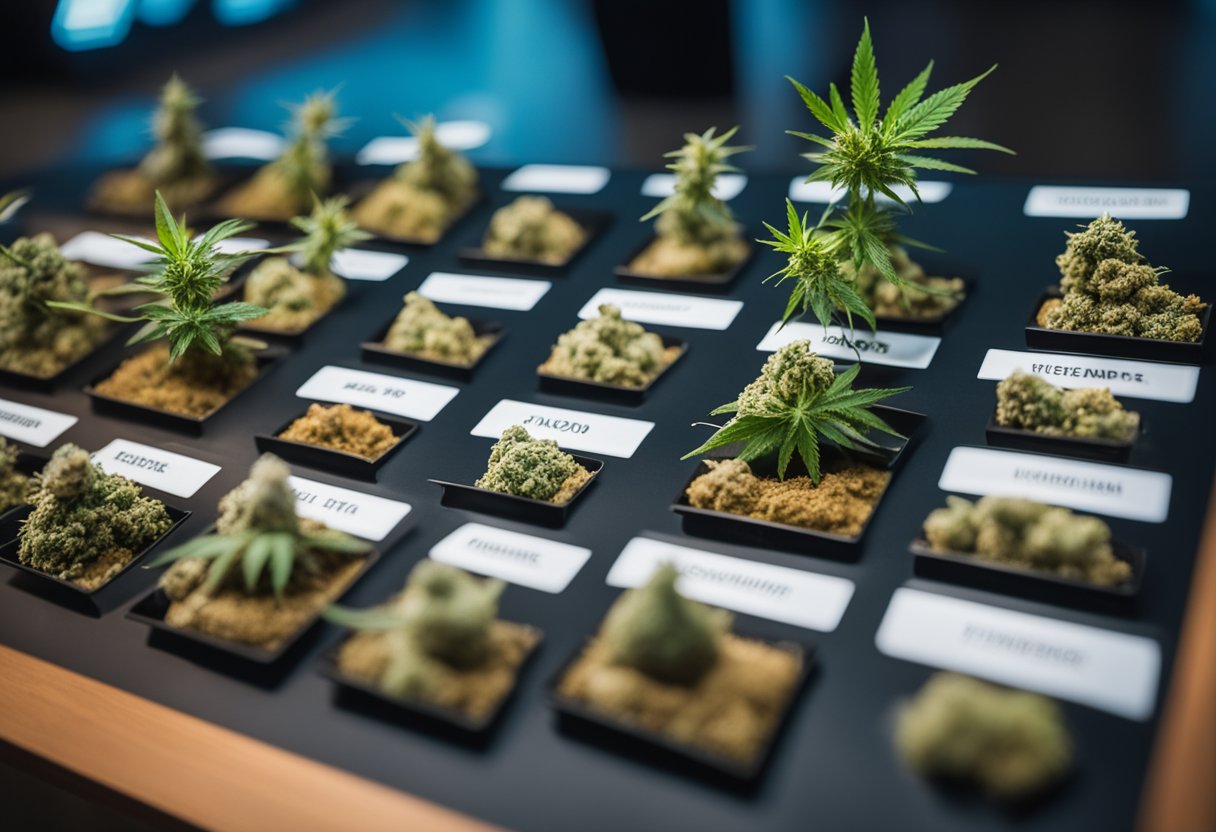
Cannabis cultivators have developed innovative crossbreeding techniques, resulting in remarkable new varieties that showcase improved resistance to pests, enhanced yields, and distinctive flavor combinations. These advancements allow growers to produce more reliable and consistent crops while giving consumers access to an expanded range of options.
The top five hybrid strains of 2025 demonstrate the sophisticated breeding methods and careful genetic selection that characterize modern cannabis cultivation. Each strain brings its own combination of effects, flavors, and therapeutic potential to satisfy different user requirements.
The Emergence of Hybrid Strains
Cannabis breeding evolved significantly in the 1960s and 1970s when cultivators began intentionally crossing different varieties to create new genetic combinations. This revolutionary approach led to the development of countless hybrid strains with enhanced characteristics and diverse effects.
Historical Background
The first documented hybrid strain emerged in the late 1960s when Hawaiian and Indian varieties were crossed to create Maui Wowie. This breakthrough sparked interest among breeders in California and the Netherlands.
The 1970s saw the creation of iconic hybrids like Skunk #1, which combined Afghan, Mexican, and Colombian genetics. These early experiments established the foundation for modern cannabis breeding.
Seed banks began cataloging and preserving hybrid genetics in the 1980s, particularly in Amsterdam. This preservation effort helped standardize breeding practices and maintain strain consistency.
Breeding Techniques
Selective breeding focuses on identifying and propagating plants with desired traits such as potency, flavor, and resistance to disease. Breeders carefully select male and female plants based on specific characteristics.
The process involves multiple generations of crossing and backcrossing to stabilize genetic traits. This technique, known as phenotype hunting, requires careful documentation and testing.
Advanced methods like tissue culture and molecular marking have enhanced breeding precision. These scientific approaches allow breeders to track genetic markers and predict offspring characteristics with greater accuracy.
Climate-controlled breeding environments enable year-round cultivation and experimentation. This controlled setting helps maintain genetic stability and prevents unwanted cross-pollination.
Characteristics of Hybrid Strains
Hybrid cannabis strains combine distinct genetic traits from both indica and sativa lineages, creating unique combinations of effects, flavors, and growing patterns. These strains exhibit varied ratios of cannabinoids and terpenes that produce specific therapeutic and recreational experiences.
Indica vs. Sativa Profiles
Hybrid strains present genetic combinations ranging from indica-dominant to sativa-dominant varieties. Most hybrids fall between 60/40 and 40/60 ratios of these parent genetics.
The physical structure of hybrid plants often displays mixed characteristics. Plants might show the bushy growth of indica with the height of sativa, or the thin leaves of sativa with the dense bud structure of indica.
Growth patterns typically reflect a balance between the fast-flowering indica traits and the longer flowering periods of sativa genetics. The average flowering time ranges from 8-10 weeks.
Terpene Profiles
Hybrid strains express diverse terpene combinations that create their signature aromas and effects. Common terpenes include myrcene, limonene, and pinene.
These strains often feature complex terpene profiles that blend earthy, sweet, and citrus notes. The specific ratios influence both the scent and potential therapeutic benefits.
Many modern hybrids are bred to emphasize certain terpenes. This selective breeding allows for targeted effects while maintaining balanced cannabinoid levels.
The terpene content varies significantly between phenotypes, even within the same hybrid strain. Environmental factors and growing conditions play crucial roles in terpene development.
Evaluating Top 5 Hybrid Strains
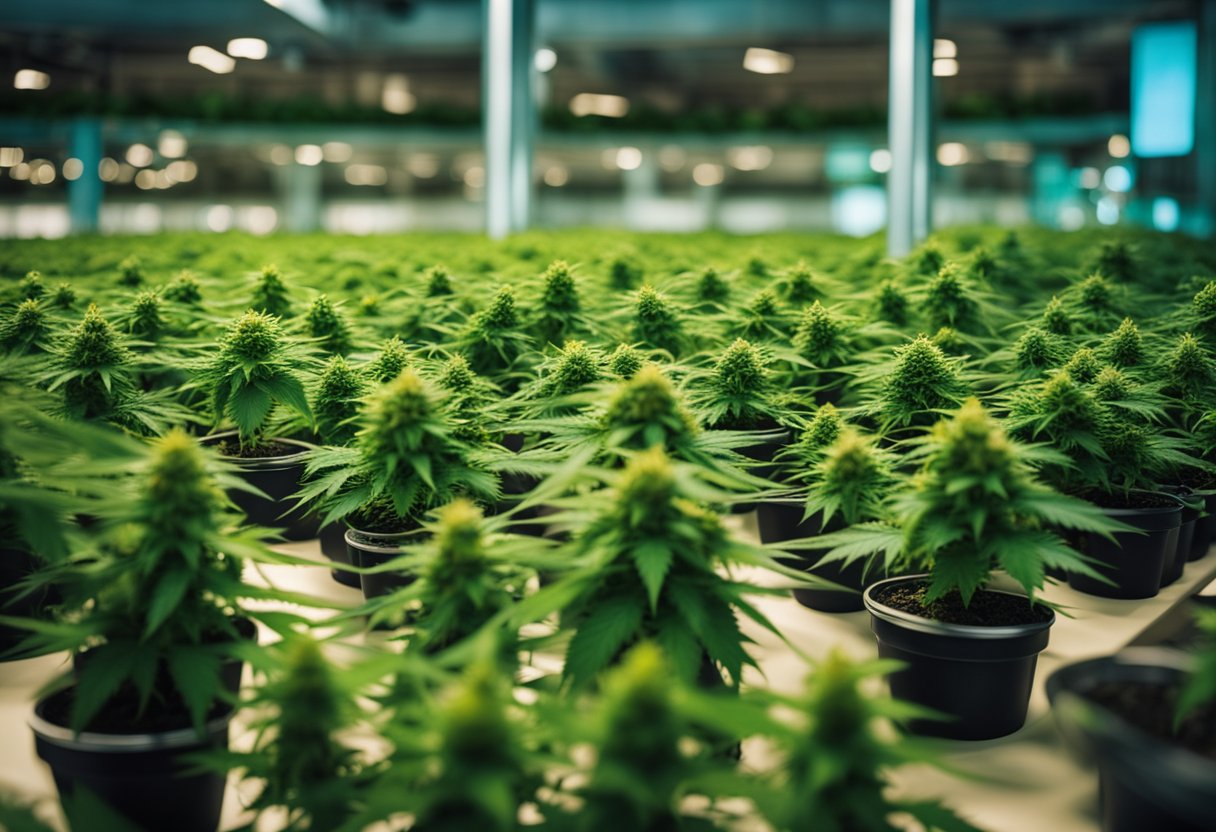
The cannabis market has produced exceptional hybrid strains that combine the best qualities of indica and sativa genetics, delivering balanced effects and diverse therapeutic benefits.
Wedding Cake
Wedding Cake presents a potent THC content ranging from 22-25%. This hybrid strain exhibits dense, forest-green buds with prominent purple undertones and bright orange pistils.
The terpene profile combines sweet vanilla with earthy pepper notes, creating a distinctive aroma that earned its dessert-inspired name.
Users report balanced effects that start with an uplifting cerebral sensation and transition to deep physical relaxation. The strain maintains cognitive clarity while providing stress relief.
Gelato
Gelato features a THC percentage between 20-25% and showcases vibrant purple-tinted flowers coated in crystalline trichomes.
The strain’s flavor profile blends sweet berry notes with subtle mint undertones, accompanied by a smooth, creamy exhale.
Physical and mental effects arrive simultaneously, delivering creative stimulation alongside muscle tension relief. The balanced nature makes it suitable for both daytime and evening use.
GSC
GSC (formerly Girl Scout Cookies) maintains THC levels of 19-23% and displays tight, purple-flecked buds with a thick resin coating.
Its complex terpene makeup produces sweet and earthy notes with hints of mint and spice. The aroma carries distinct OG Kush influences.
The effects begin with euphoric elevation before settling into full-body relaxation. Medical users often choose this strain for pain management and mood enhancement.
White Widow
White Widow contains 18-22% THC and features distinctive white crystal-covered buds that inspired its name.
Pine and citrus notes dominate the scent profile, backed by subtle wood and earth undertones. The taste reflects similar characteristics with a peppery finish.
This strain provides energetic mental stimulation paired with moderate physical comfort. Creative focus and social engagement remain accessible throughout the experience.
Blue Dream
Blue Dream measures 17-21% THC and produces large, light-green buds with amber hairs.
The strain combines sweet berry aromas with subtle herbal notes. Its smooth smoke delivers a flavor profile that matches its scent.
Effects progress from gentle cerebral elevation to soothing physical calm. The balanced nature helps maintain productivity while easing tension and discomfort.
Medical patients often select this strain for daytime symptom management without sedation.
Advantages of Hybrid Strains
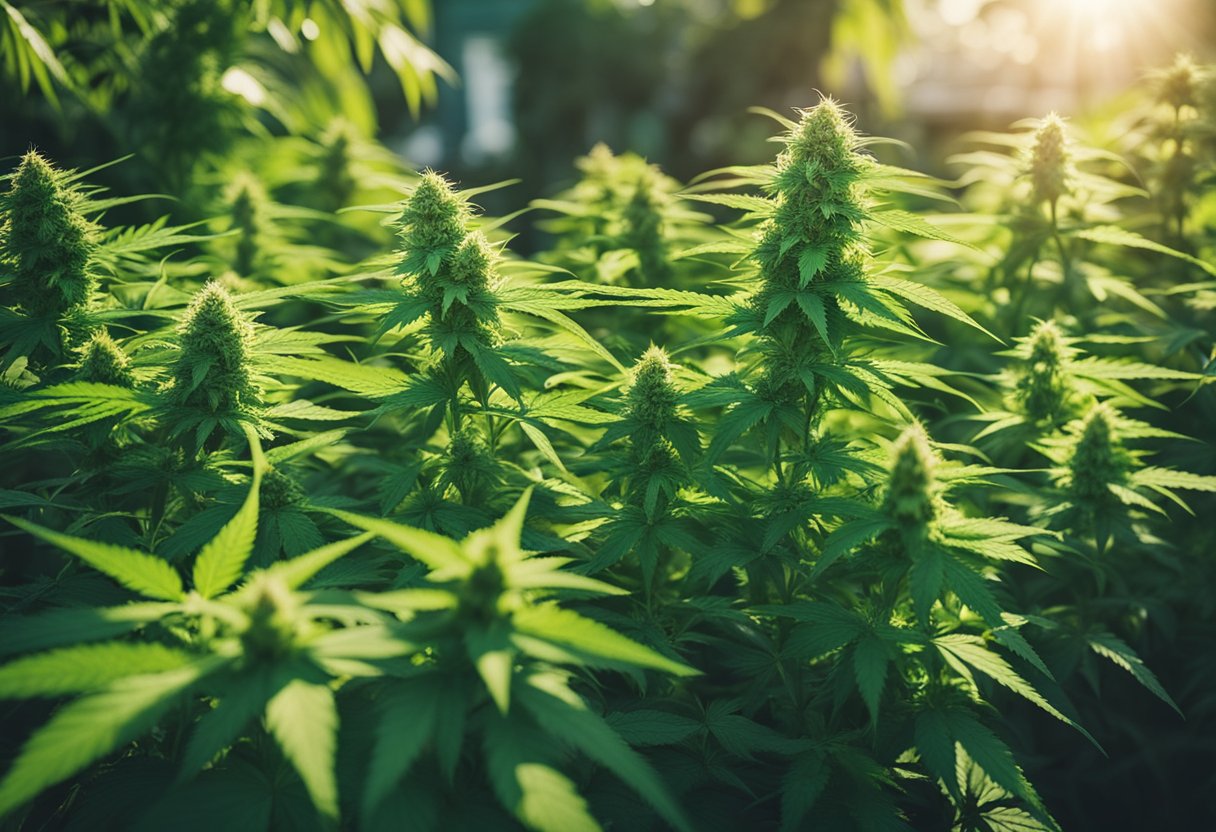
Hybrid cannabis strains combine distinct characteristics from both indica and sativa varieties, creating balanced effects and versatile applications for users seeking specific benefits.
Therapeutic Uses
Hybrid strains offer targeted relief for multiple medical conditions simultaneously. Many patients experience pain relief while maintaining mental clarity and focus.
These strains can effectively manage anxiety and depression symptoms during daytime hours without causing excessive sedation or mental fog.
Hybrid varieties provide customized therapeutic solutions, with some strains emphasizing pain management while others focus on mood enhancement or appetite stimulation.
Medical practitioners often recommend hybrid strains for their ability to address both physical discomfort and psychological symptoms in a single dose.
Recreational Benefits
Users appreciate hybrid strains for their balanced effects, which can provide energy and creativity without overwhelming physical sensations.
The cultivation flexibility of hybrids allows growers to select specific traits, resulting in enhanced flavor profiles and aromatic combinations not found in pure indica or sativa varieties.
Social gatherings benefit from hybrid strains that promote conversation and engagement while maintaining a comfortable, relaxed atmosphere.
Many hybrid varieties offer predictable durations of effect, making them suitable for both daytime and evening use depending on their specific genetic makeup.
Consumer Experiences with Hybrids
Recent consumer surveys reveal that 78% of hybrid strain users report positive experiences with balanced effects. Many praise the versatility of modern hybrids in managing both daytime activities and evening relaxation.
Users consistently rate Wedding Cake as a top choice, noting its balanced euphoria and stress relief. The strain’s sweet flavor profile adds to its widespread appeal among experienced consumers.
Gelato #41 receives high marks for its potency and smooth effects. Consumer reviews emphasize its ability to provide focus without excessive sedation.
First-time hybrid users often gravitate toward Blue Dream for its gentle introduction to balanced effects. Its reliability and predictable experience make it a frequent recommendation in dispensaries.
Mac 1 stands out in consumer feedback for its consistent quality across different growers. Users particularly value its clear-headed effects and anxiety-reducing properties.
Runtz users praise its distinctive flavor profile and balanced effects. The strain’s popularity has grown steadily since 2023, with 85% of surveyed consumers reporting satisfaction with their experience.
Popular Usage Times:
- Morning: Blue Dream, Mac 1
- Afternoon: Gelato #41
- Evening: Wedding Cake, Runtz
Consumer satisfaction ratings show that 72% prefer hybrid strains over pure indicas or sativas for their adaptability to different situations and times of day.